Yanbu port
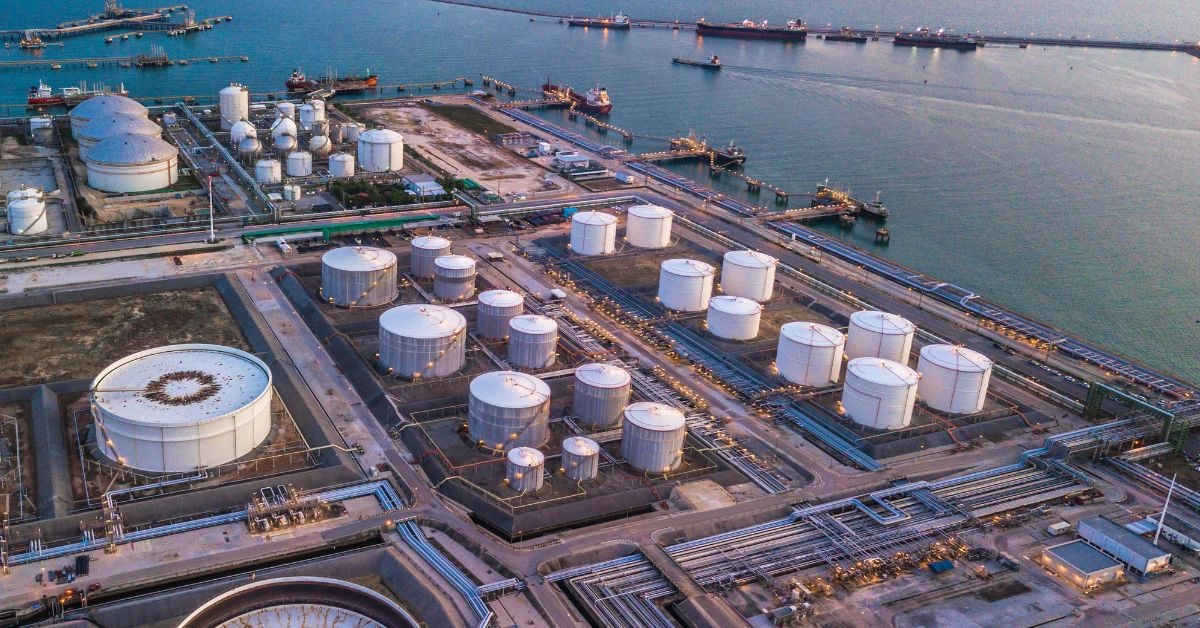
Yanbu port at World Data Ocean is a file of 6 stories. The newest of them: “Projectile Strike at Yanbu Port Disrupts Tanker Operations”, “Red Sea crude flows rise as Strait of Hormuz disruptions reshape global routes”, and “Gulf of Oman STS Transfers Max Out Amid Rising Saudi Oil Exports”. An unidentified projectile struck inside Saudi Arabia's Yanbu port on October 1, igniting a fire that disrupted tanker operations. Crude loadings at Yanbu have held at roughly 2 million barrels per day since last week, according to trade estimates. A Global Hub for Ocean Intelligence 4 World Data Ocean is a centralized digital platform where researchers, scientists, and ocean enthusiasts converge to… The list below is every Yanbu port story on World Data Ocean, newest first.
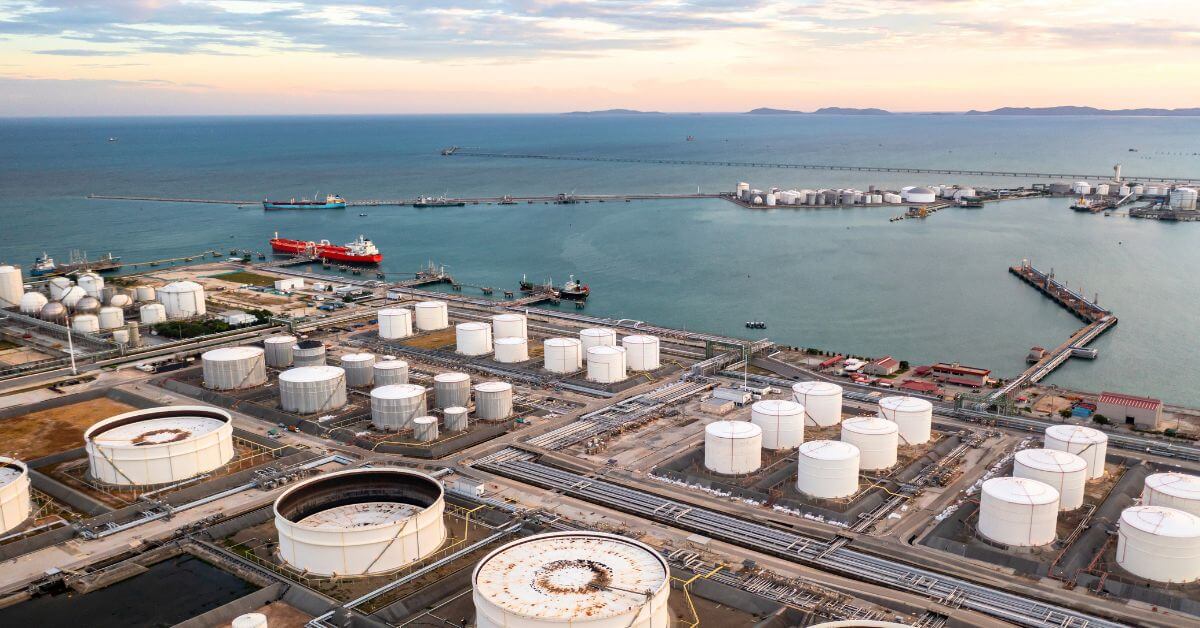
Projectile Strike at Yanbu Port Disrupts Tanker Operations
An unidentified projectile struck inside Saudi Arabia's Yanbu port on October 1, igniting a fire that disrupted tanker operations. This incident underscores the fragility of critical maritime infrastructure in a region already under strain. Measurable disruptions like this demand calibrated, real-time monitoring to protect global energy flows. For deeper context on how such risks reshape supply chains, see our coverage of refiners chartering tankers through Hormuz to secure India's oil supply. Understanding these threats drives smarter protection.
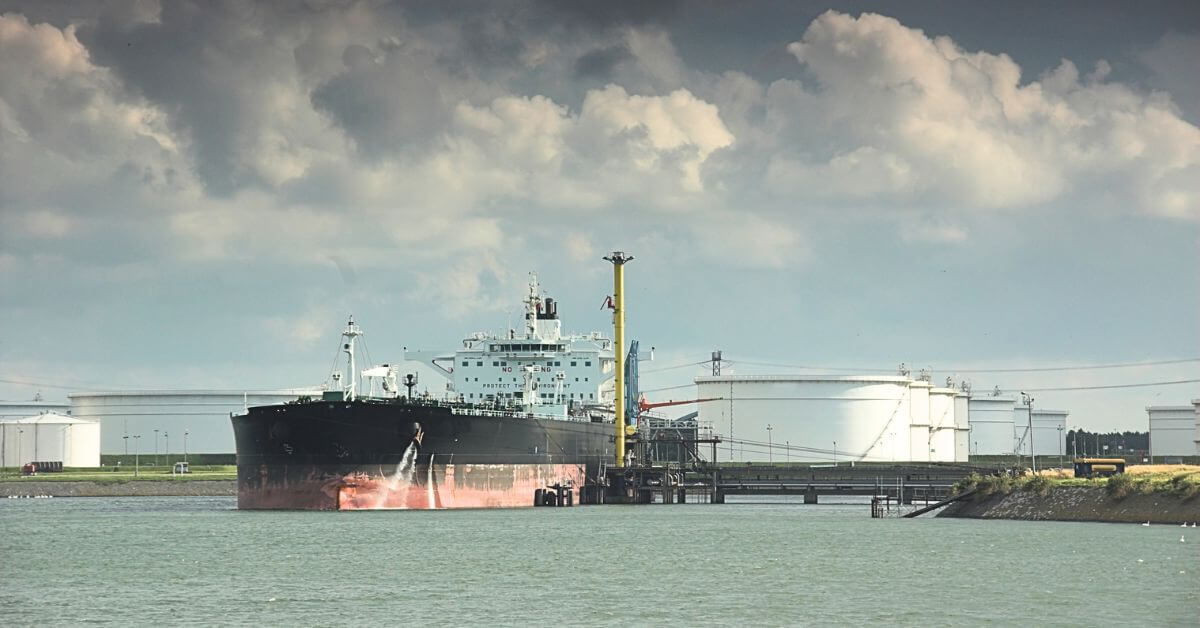
Red Sea crude flows rise as Strait of Hormuz disruptions reshape global routes
Crude loadings at Yanbu have held at roughly 2 million barrels per day since last week, according to trade estimates. This surge in Red Sea flows signals a tangible recalibration of global routes as Strait of Hormuz disruptions force new calculations. The shift is measurable and consequential for energy security. For deeper context on maritime risk, see our coverage of the vessel struck by an unknown projectile in the Strait of Hormuz. Understanding these patterns is essential, because where oil moves, ocean intelligence follows.
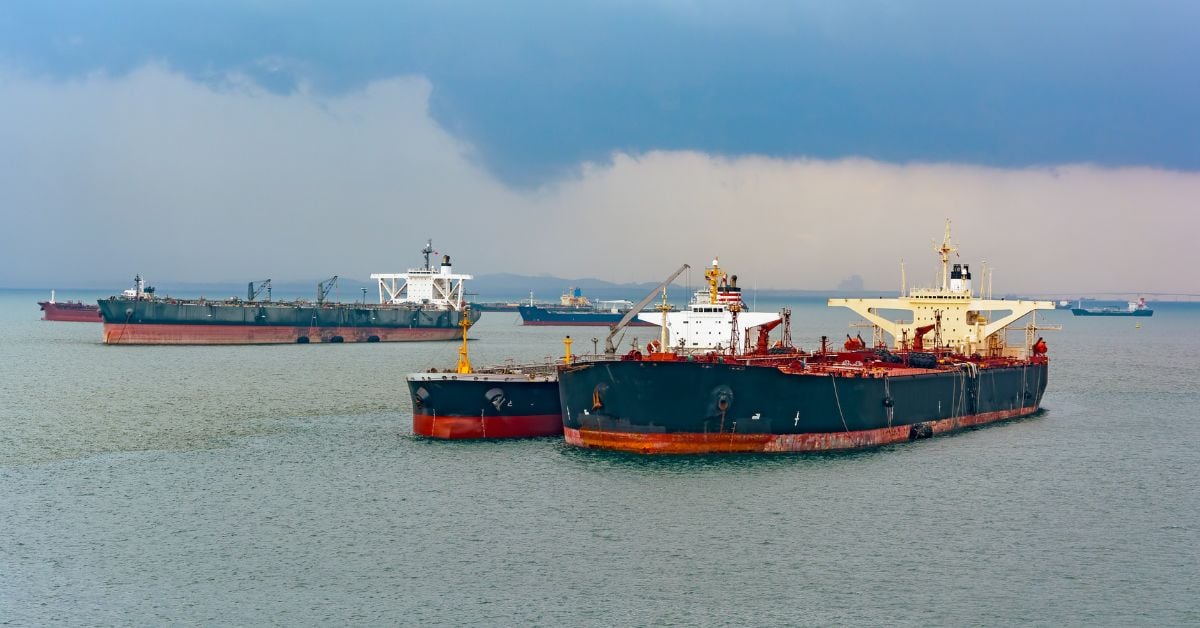
Gulf of Oman STS Transfers Max Out Amid Rising Saudi Oil Exports
Ship-to-ship transfers in the Gulf of Oman have reached maximum capacity, with traders and analysts pointing to surging Saudi crude exports as the driving force. This operational ceiling underscores how swiftly regional logistics can tighten when cargo volumes climb. The strain is a measurable signal of shifting energy flows, one that demands calibrated attention from those tracking maritime trade. For context on broader infrastructure pressures, our piece on integrated subsea systems in the Indian Ocean offers a useful parallel.
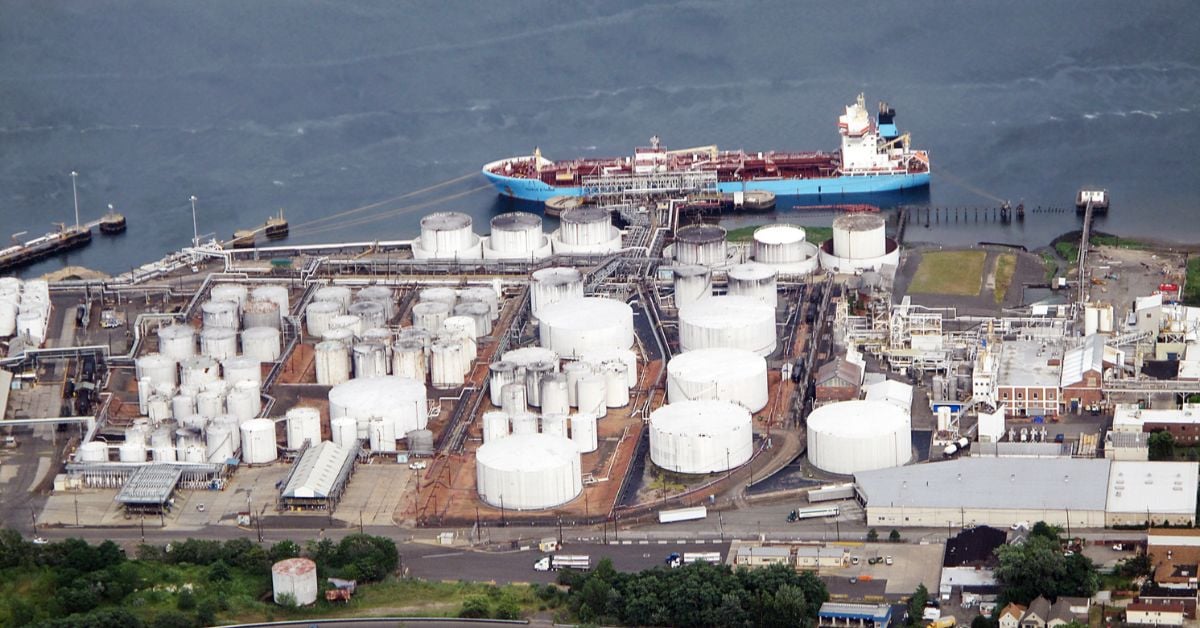
Saudi Arabia Redirects Oil Exports; Global Supply Concerns Ease.
Saudi Arabia's decision to reroute crude through Oman has already trimmed oil prices by 1.2%, a measured market response to reduced supply fears. The move does not erase the Strait of Hormuz's fragility, but it buys time for diplomacy. This is pragmatic recalibration, not panic. For those tracking the mechanics, our related piece on Gulf of Oman STS transfers shows how strained these alternative routes have become. The pressure has not lifted; it has simply shifted.
Securing Energy: Japan Plans Integrated Pipeline Network Beyond Hormuz Strait
Japan is moving to secure its energy lifeline with an integrated pipeline network designed to bypass the Strait of Hormuz, a strategic chokepoint where geopolitical friction carries real economic weight. The plan reflects a calculated shift toward resilience, not alarm. It is a measured response to a fragile maritime route, and one that warrants attention as global supply chains recalibrate. For broader context on regional bottlenecks, our related coverage on Gulf of Oman STS transfers offers a useful lens.

Red Sea Disruption Looms: Iran Signals Houthi Action Over Potential US Strikes
Iran has signaled Houthi forces to prepare closing the Bab el-Mandeb Strait if US strikes target Iranian power plants, raising the specter of a second Red Sea oil route crisis. The move compounds existing strain on maritime trade, already tested by capacity-level STS transfers in the Gulf of Oman. This is not speculation; it is calibrated pressure with global consequences. We are watching a strategic chokepoint being weaponized, and the margin for miscalculation is narrowing.