Taiwan Strait
World Data Ocean keeps Taiwan Strait in one place: 6 stories so far. The section currently leads with “New research links intraseasonal oscillation to Taiwan Strait marine heatwaves”, “Taiwan's Coast Guard Repels 16 Vessels in Coordinated Maritime Response”, and “Taiwan Coast Guard Deploys V-BAT Drones for Validated Maritime Surveillance”. Understanding drives protection. Taiwan's Coast Guard intercepted and drove away 16 Chinese vessels engaged in coordinated maritime harassment, a calibrated response that underscores the value of validated, real-time surveillance. A Global Hub for Ocean Intelligence 4 World Data Ocean is a centralized digital platform where researchers, scientists, and ocean enthusiasts converge to… The list below is every Taiwan Strait story on World Data Ocean, newest first.

New research links intraseasonal oscillation to Taiwan Strait marine heatwaves
Understanding drives protection. New research reveals that the Boreal Summer Intraseasonal Oscillation (BSISO) is a key driver of marine heatwaves in the Taiwan Strait, where 52% of regional events coincide with specific BSISO phases. These heatwaves are longer and more intense, fueled primarily by enhanced solar radiation under clear skies. The findings offer a measurable, intraseasonal perspective on mechanisms that have remained elusive. For deeper coverage, see our related study on warming seas reshaping species distributions around Iceland.
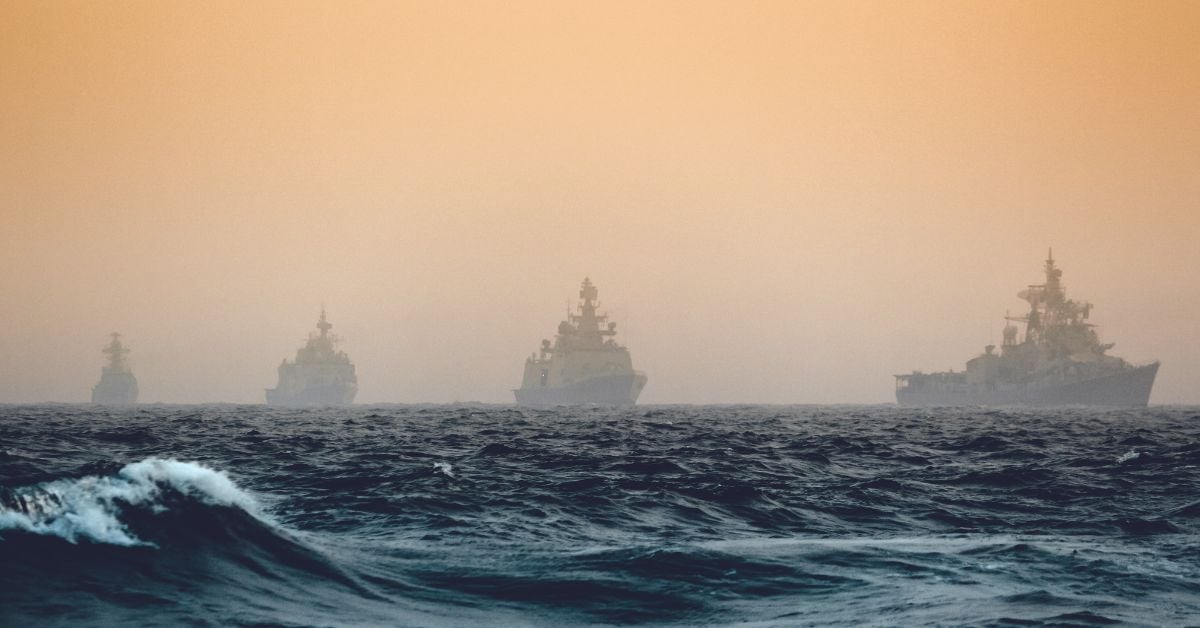
Taiwan's Coast Guard Repels 16 Vessels in Coordinated Maritime Response
Taiwan's Coast Guard intercepted and drove away 16 Chinese vessels engaged in coordinated maritime harassment, a calibrated response that underscores the value of validated, real-time surveillance. Understanding drives protection. For deeper context on Taiwan's evolving maritime capabilities, see our coverage of the V-BAT drone deployment for maritime surveillance. These events together reflect an integrated data ecosystem where empirical monitoring supports purposeful action.
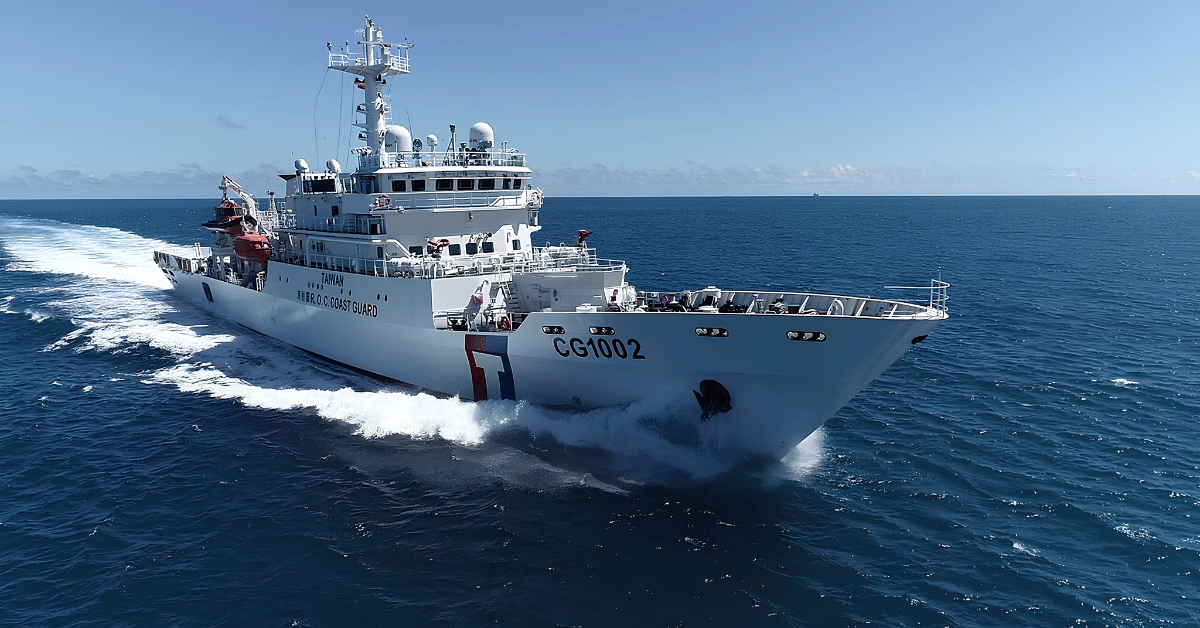
Taiwan Coast Guard Deploys V-BAT Drones for Validated Maritime Surveillance
Twelve V-BAT drones are headed to Taiwan's Coast Guard, with Shield AI delivering the first uncrewed aircraft in a validated maritime surveillance program. These systems will support coastal patrols and law enforcement operations across vital waters. This is empirical, integrated ocean intelligence in action, deploying real-time, peer-reviewed technology where it is needed most. For further context on regional maritime security, see our coverage of the *First Sightings of Chinese Militia Vessel Near Taiwan's Eastern Coast*.
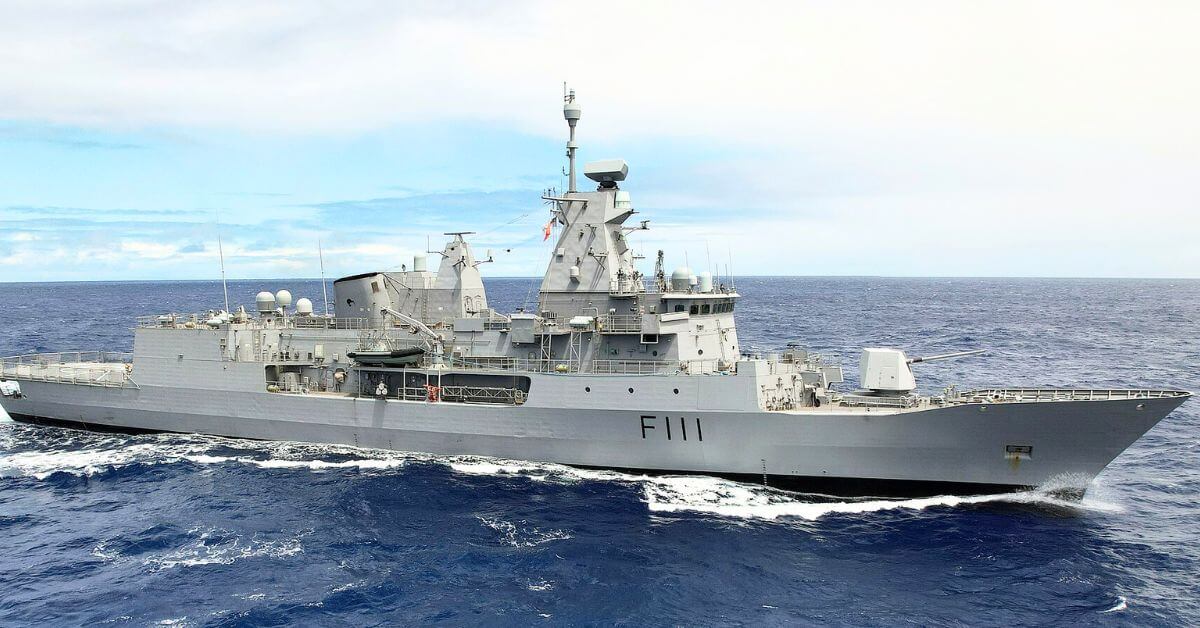
New Zealand Vessels Traverse Taiwan Strait En Route to Philippines Exercise
Two New Zealand naval vessels transited the Taiwan Strait on Sept. 18, bound for a joint exercise with the Philippines. The move signals a quiet but deliberate expansion of maritime collaboration across the Indo-Pacific, one that prioritizes operational presence over provocation. For those tracking the region's shifting security architecture, this passage is a measured data point, not a headline. It complements our coverage of integrated subsea infrastructure shifting toward the Indian Ocean, where strategic connections are being redrawn.
Sediment Records Reveal 250 Years of Climate and Human Impact
Two hundred fifty years of sediment in the South China Sea and Taiwan Strait tell a clear story: climate drove the past, but humans now steer the system. Clay minerals and grain-size records from cores D0 and Y22 reveal intensified monsoon runoff before the 1920s, then a sharp divergence after the 1950s. Declining terrigenous input and coarser sediments point not to natural variability, but to regional dam and engineering projects. This is measurable, human-driven change.

Shipyard Fire and Explosion in Fujian Highlights Maritime Risks.
A shipyard fire and explosion in Fujian, a critical hub for shipbuilding and repair, has thrust maritime safety back into focus. The province's position across the Taiwan Strait from democratically governed Taiwan adds geopolitical weight to an already urgent incident. This is not a distant anomaly; it is a reminder that industrial ambition must be matched by rigorous, validated safety protocols. We cannot afford to learn these lessons slowly.