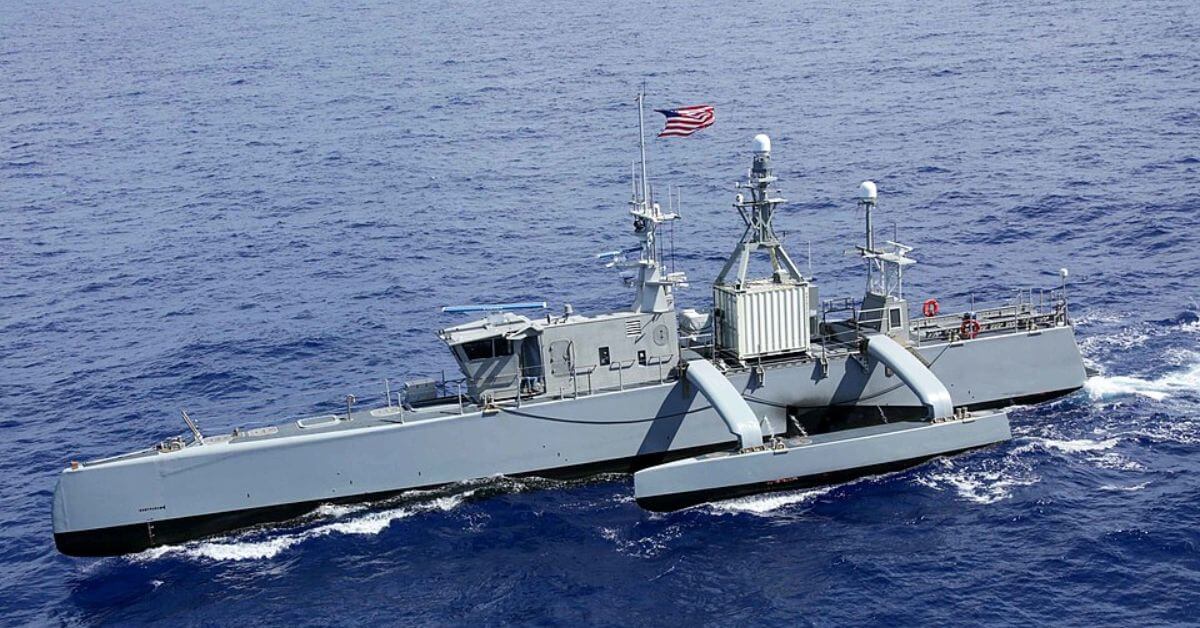
The U.S. Navy's decision to stand up a new warfighting centre for robotic and autonomous systems is a practical admission that the maritime domain has entered a new phase of integration. This is not about replacing sailors with machines, but about calibrating a force that can operate with greater speed, endurance, and precision. The centre's mandate, to fold these systems directly into operational frameworks, signals that the service is moving past experimentation and toward standard practice. That is the right reading of the moment. Autonomy is no longer a novelty to be tested in isolation; it is becoming part of the fleet's baseline architecture.
For our readers, this shift carries weight beyond the usual defence trade headlines. When a large navy restructures around robotic and uncrewed platforms, it changes the economics of naval power. Vessels like the Sea Hunter, referenced in the original report, are not simply cheaper ships. They are designed to operate for extended periods without the constraints of a crew, which means a different kind of endurance, maintenance cycle, and risk profile. The practical question is how this integrates with existing forces and allied operations. Consider the Integrated Maritime Data Collection Underway in Philippine Exercise, where a Shivalik-class frigate and a Kora-class corvette were involved in data gathering. That exercise points to the same underlying need: reliable, shared information across distributed units. The new centre is an attempt to make that kind of coordination standard, not exceptional.
There is also a strategic dimension that deserves attention. The navy's move comes alongside increased allied activity in critical waterways, such as the recent New Zealand Vessels Traverse Taiwan Strait En Route to Philippines Exercise. These transits are about presence and signalling, but they also depend on the same integrated data ecosystems that autonomous systems rely on. If the centre can deliver on its promise, it will make those operations more coherent, with uncrewed assets feeding real-time climate and maritime data into a common picture. That is the kind of outcome that justifies the investment: not just a new platform, but a more connected way of operating.
Our honest take is straightforward. This is a sound institutional move, but the real test will be in how quickly the centre can move from standing up to scaling up. Building a centre is easy. Changing how a large bureaucracy integrates new systems is not. The Navy has a history of fielding capable technology and then struggling to put it into the hands of operators in a way that sticks. We would tell a reader to watch two things: how quickly these systems are deployed in routine operations rather than demonstrations, and whether the data they collect is actually shared across allied and partner networks. The centre's value will be measured in the speed and quality of decision-making it enables, not in the number of systems it fields. A concrete point to watch is whether the centre begins to set common standards for uncrewed systems that allied forces can adopt. If it does, this becomes more than a U.S. Navy story. It becomes the foundation for a shared maritime operating concept.