autonomous systems
13 stories filed under autonomous systems on World Data Ocean. The newest of them: “Autonomous surface vessel joins carrier strike group in historic first”, “Keel laid for second U212NFS submarine, advancing naval ocean intelligence”, and “4500-Meter Autonomous Robot Extends South China Sea Observation Reach”. For the first time in U.S. A keel laid at Muggiano, where over a hundred submarines have taken shape, marks another calibrated step toward integrated naval ocean intelligence. A Global Hub for Ocean Intelligence 4 World Data Ocean is a centralized digital platform where researchers, scientists, and ocean enthusiasts converge to… The list below is every autonomous systems story on World Data Ocean, newest first.
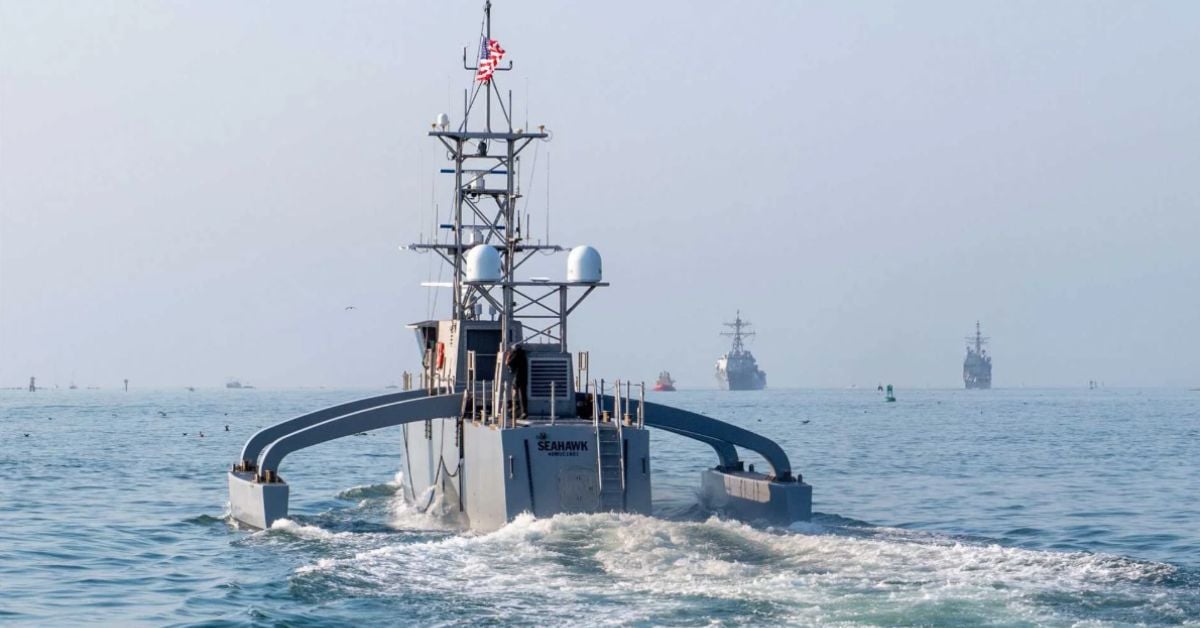
Autonomous surface vessel joins carrier strike group in historic first
For the first time in U.S. naval history, an unmanned surface vessel has completed a sustained deployment with a carrier strike group. This is not a test run or a proof of concept, it is operational integration. Autonomous systems are no longer hypothetical; they are sailing alongside crewed warships, recalibrating what naval power means. The shift is measurable and real. For deeper context on how maritime demands are evolving, see our coverage of the longest carrier deployment in decades.
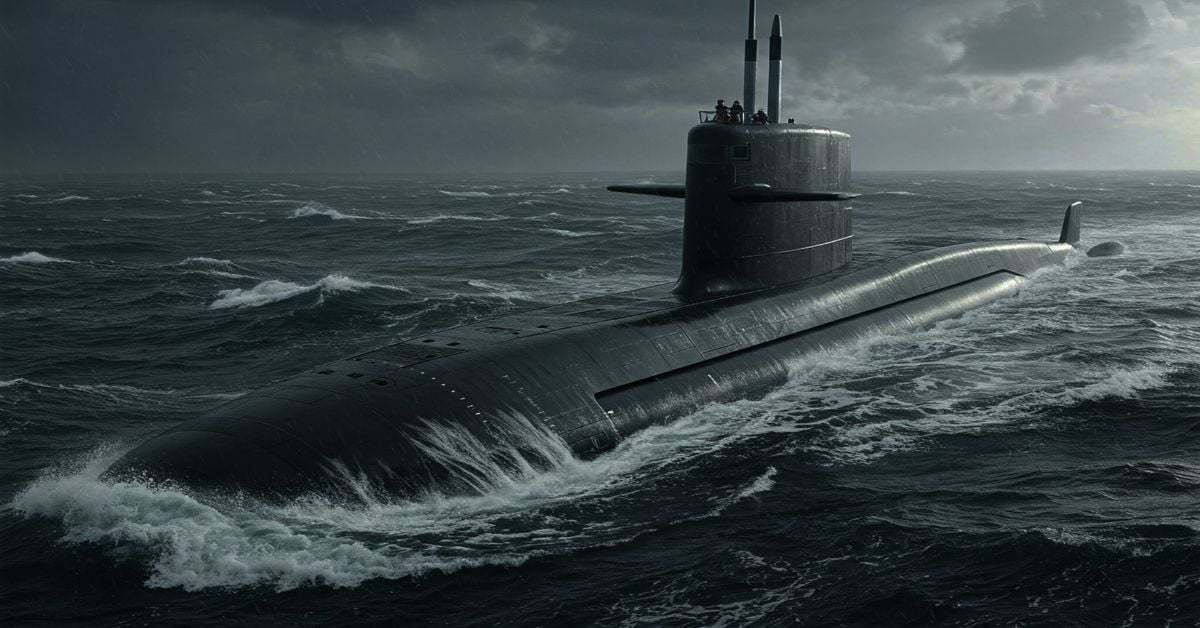
Keel laid for second U212NFS submarine, advancing naval ocean intelligence
A keel laid at Muggiano, where over a hundred submarines have taken shape, marks another calibrated step toward integrated naval ocean intelligence. The second U212NFS submarine advances capabilities built on validated, measurable design principles. This platform will collect real-time climate indicators and empirical data from beneath the surface, strengthening the integrated data ecosystem that connects undersea operations with broader ocean stewardship. Understanding drives protection, from orbit to ocean floor.
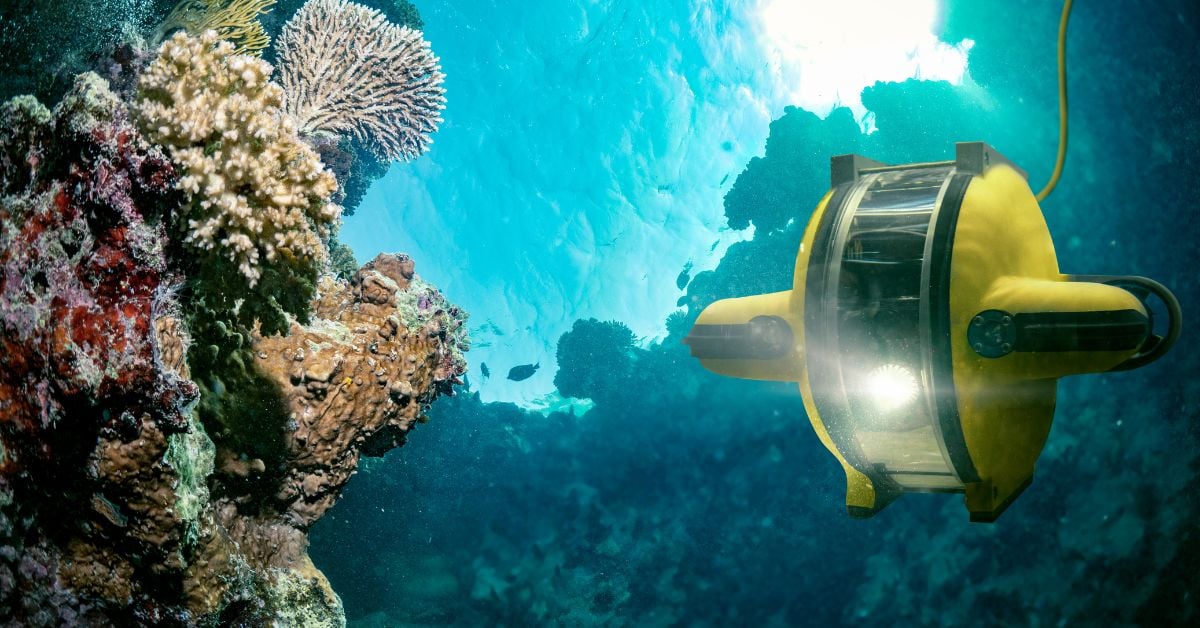
4500-Meter Autonomous Robot Extends South China Sea Observation Reach
China's new autonomous robot operates at depths of 4,500 meters, extending our observational reach into the South China Sea. This is measurable progress, empirical, validated engineering that adds real-time data from a region critical to climate indicators. The robot doesn't alarm; it informs. Understanding drives protection. For deeper context on naval ocean intelligence, see our coverage of the second U212NFS submarine's keel-laying. From the ocean floor to the surface, the integrated data ecosystem grows.
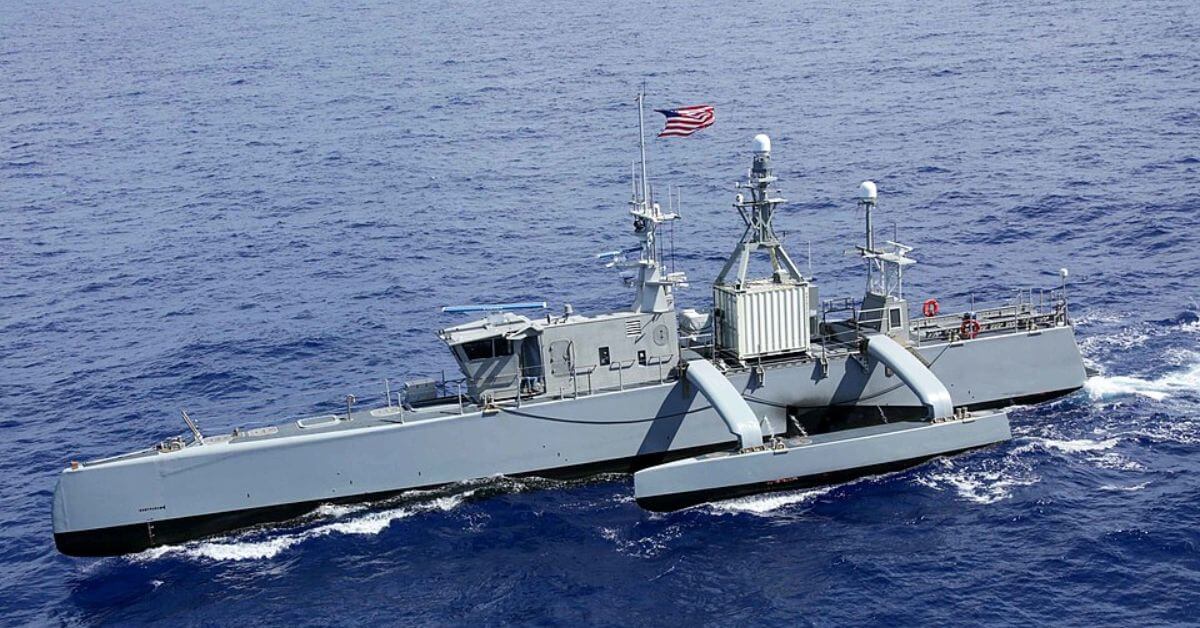
Navy Accelerates Autonomous Systems Integration for Enhanced Maritime Operations
The Navy's new integration centre signals a deliberate step toward weaving autonomous systems into the fabric of daily maritime operations. It is a practical move, grounded in the need for real-time adaptability across fleets. We see this as recognition that robotic assets are no longer peripheral experiments but core instruments for maintaining operational edge. The focus on integration over introduction is the right emphasis.
Integrating Data Infrastructure with Ocean Ecosystems: A Calibrated Approach
The seafloor is not a passive highway for data; it is a living system that demands calibration. This submission recognizes that integrating infrastructure with ocean ecosystems requires more than laying cables, it requires measuring impact with empirical rigor. We support this approach because it treats the ocean as a partner, not a conduit. Related coverage, such as our piece on integrated subsea cables across the Indian Ocean, reinforces the stakes. Understanding drives protection, and this work gets that sequence right.
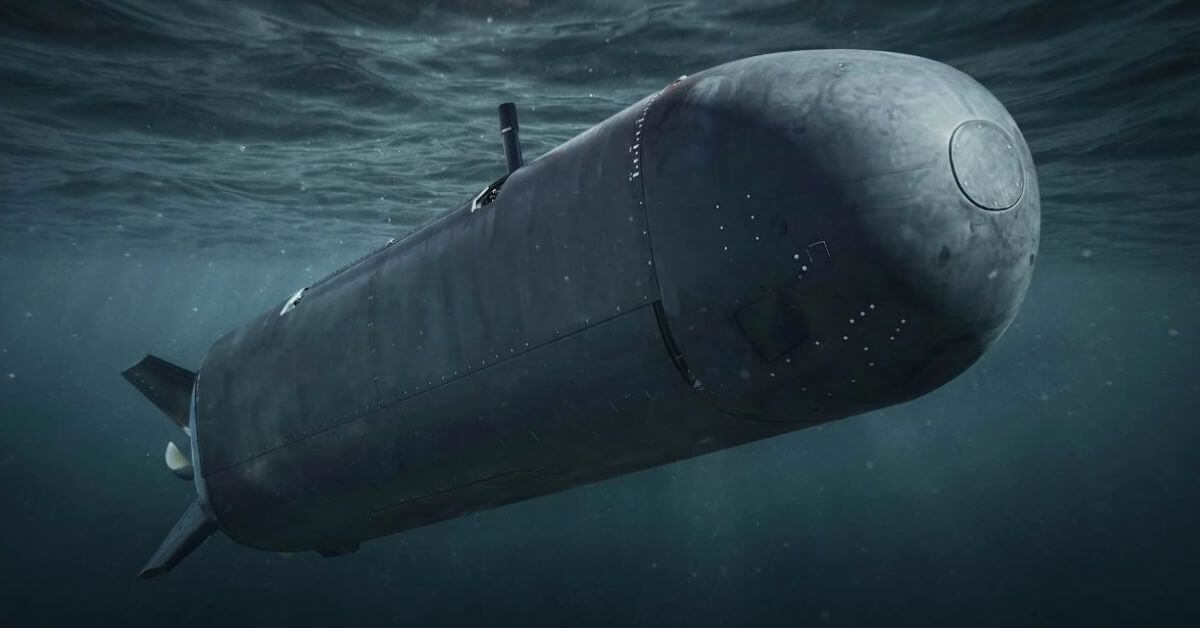
Autonomous Vessel Demonstrates Advanced Torpedo Deployment Capability
For the first time, Britain and the United States have test-fired a torpedo from an uncrewed underwater vessel, marking a calibrated step in maritime defense. The demonstration validates the integration of autonomous systems into complex operational roles, shifting the focus from concept to empirical capability. This is not about spectacle; it is about measurable progress in how we deploy ocean intelligence.

Autonomous Refueling: U.S. Navy Advances Maritime Aviation Capabilities
The MQ-25A unmanned aerial tanker is set to operate directly from U.S. aircraft carriers, a capability designed to extend the reach of carrier air wings without relying on shore-based support. This is a practical step toward integrating autonomous systems into the heart of naval operations. The platform's success will depend on rigorous testing and seamless integration with existing carrier procedures. For a broader view of how the Navy is structuring these efforts, our related piece on the Navy's new autonomous systems center offers useful context.

Autonomous Vessels Chart Ocean Depths in Navy Mapping Project
The U.S. Navy's selection of Boston-based Blue Water Autonomy to map ocean floors with uncrewed surface vessels marks a practical step forward in maritime intelligence. This is not flashy technology; it is calibrated, real-time data collection that strengthens navigational safety and operational awareness. The project reflects a growing trust in autonomous systems to perform precise, sustained work where crewed vessels face greater risk.

Unmanned Systems Enhance Maritime Security, Intercepting $81M in Cocaine.
A single unmanned surface vehicle turned the tide of a multi-million-dollar drug run. Operating ahead of the interdiction, the system tracked the target, relayed real-time coordinates, and enabled a U.S. Navy crew to close in and seize $81 million in cocaine. This is not just a successful bust; it is a measurable demonstration of how autonomous systems are redefining maritime law enforcement.

AI-Driven Mine Sweeping: South Korea Advances Autonomous Naval Technology
South Korea's recent mine-sweeping exercise in Busan, led by Hanwha Systems, signals a deliberate step toward autonomous naval operations. This is not about replacing crews outright but about reducing risk where it matters most. The integration of AI into such precise, high-stakes tasks reflects a broader momentum across allied navies, as seen in the US Navy's push for autonomous systems integration. Measured, empirical progress like this strengthens maritime security without the hype.

Autonomous Robotics to Bolster U.S. Mineral Supply Chain from the Ocean
The ocean floor holds minerals the U.S. supply chain cannot afford to ignore, and a new hub is stepping in to secure them. Autonomous robotics will take on the extraction work, reducing our reliance on foreign-controlled sources with measurable precision. It is a practical move, driven by the same logic that guides our broader push for ocean intelligence. For those tracking how this fits with defense priorities, our article on Navy Accelerates Autonomous Systems Integration offers useful context on the operational side.
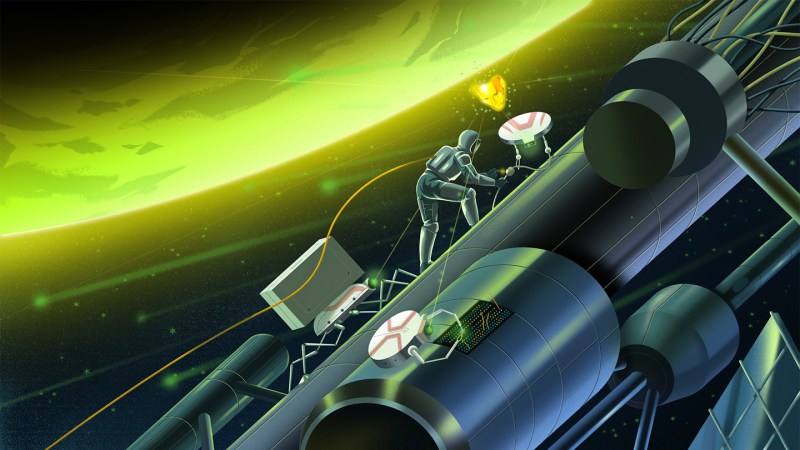
AI Space Navigation: Current Limitations Demand Human Oversight.
In science fiction, AI navigates the unknown and keeps travelers safe. In reality, it cannot yet be trusted to do so alone. Current limitations in machine reasoning demand human oversight for complex space navigation. This is not a failure; it is a calibration of roles. As our related coverage on the Navy's autonomous systems integration shows, measured human control remains central to operational success. Understanding these boundaries drives both safety and progress.

Autonomous System Deployed: Ukraine Employs Robotic Boat in Coastal Operation
Ukraine's deployment of a robotic boat in coastal operations signals a practical shift toward autonomous systems in contested waters. The platform's reliance on a ballistic computer and AI for target detection and engagement reflects a growing emphasis on precision over proximity. This is measured, calculated capability. It also aligns with broader trends, such as the US Navy's recent push to integrate similar technologies, a point covered in our related article, "Navy Accelerates Autonomous Systems Integration for Enhanced Maritime Operations.