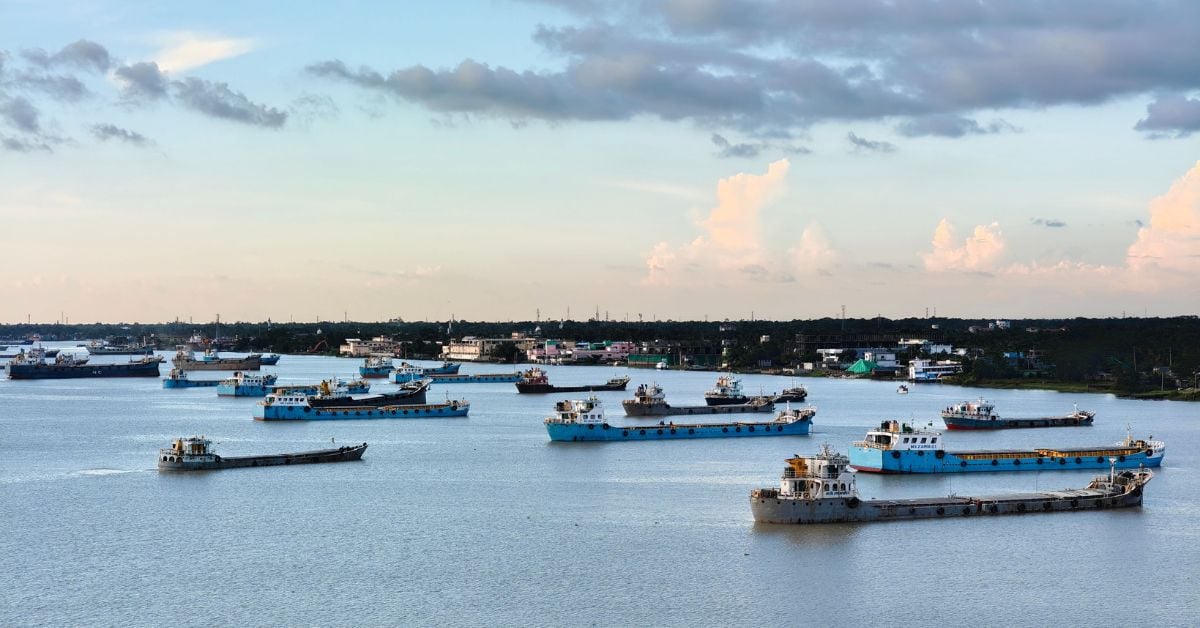
The return of a methanol-laden vessel from Bogibeel to Bangladesh is not a story about fuel, it is a story about infrastructure finally earning its purpose. When the Brahmaputra can move a cargo that would otherwise travel by truck or rail for far longer, the economics of inland waterways shift from promising to practical. This single shipment signals that India's northeastern river trade is no longer a political talking point; it is a measurable, operational reality.
For our readers who have followed the slow progress of India's inland waterway ambitions, this moment carries weight precisely because it is small. A methanol cargo is a high-value, low-volume commodity that tests logistics without betting the entire system on bulk tonnage from day one. The move aligns with the Brahmaputra River Cruises Expand With Two New Ships by 2030, where private operators are betting on passenger routes that depend on the same navigable channel. These two developments, one commercial, one recreational, draw a shared conclusion: the Brahmaputra is being calibrated into a transport corridor that can serve both tourism and trade. Meanwhile, Cochin Shipyard Expands Design Capabilities with Conoship Equity Stake reminds us that India is also investing in the shipbuilding end of this equation, ensuring that vessels designed for coastal and riverine operations are built with domestic expertise rather than imported blueprints.
What matters most for our audience is the validation of integrated river data. The success of this methanol movement depends on real-time water level monitoring, validated draft readings, and calibrated seasonal forecasts. Without empirical data on monsoon flows and siltation, no operator, whether moving green fuel or luxury cruisers, can schedule with confidence. This is where ocean intelligence meets river logistics: the same longitudinal datasets used to track climate indicators in the Bay of Bengal are now being applied to inland channels. If Dibrugarh's return to international river trade holds, it will be because the data ecosystems supporting it are as reliable as the ships themselves.
The specific takeaway is this: watch the draft restrictions on the Brahmaputra during the dry season. Methanol can move in small parcels, but the real test of this corridor will come when bulk commodities like limestone or food grains attempt the same route. The Bogibeel methanol voyage is proof of concept, not proof of capacity. We will know the system has matured when those subsequent shipments are reported as routine rather than news.