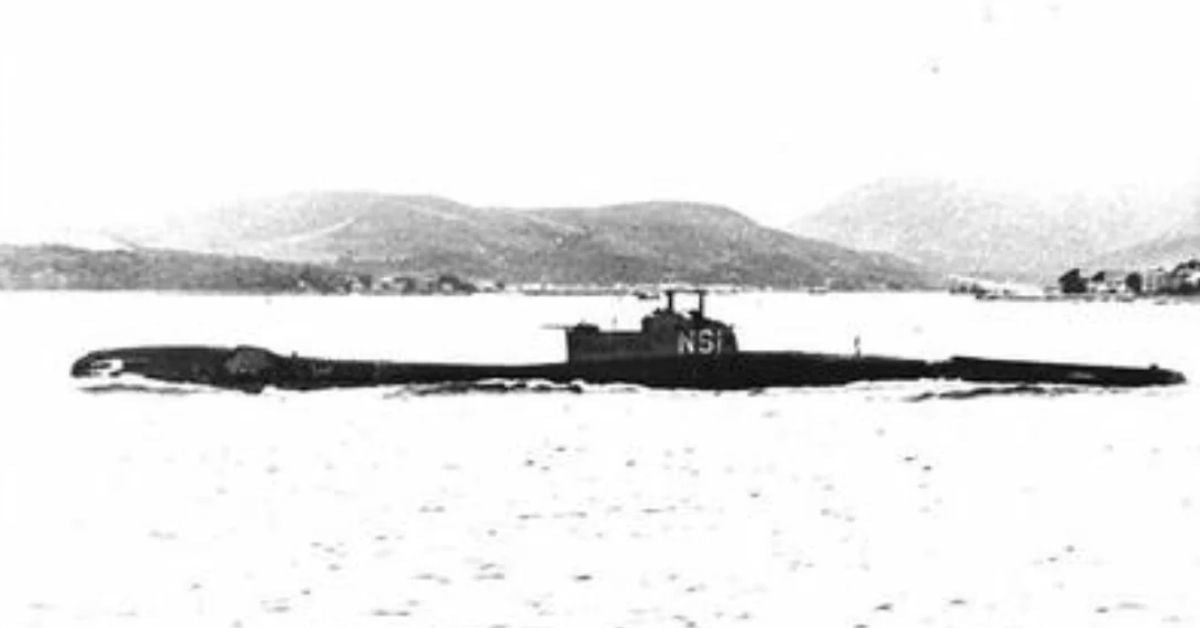
Understanding drives protection. The discovery of HMS Trooper (N91) in the Icarian Sea after nearly eighty years is not merely the resolution of a wartime mystery; it is a demonstration of how integrated ocean intelligence can correct historical assumptions and deliver closure grounded in empirical evidence. For decades, searchers focused on the wrong location, guided by a single memoir. The team led by Kostas Thoctarides succeeded by shifting the methodology: instead of chasing anecdotal accounts, they cross-referenced historical German mine-laying records with modern seafloor mapping. This approach validated what we have long argued, that the most effective ocean research begins with a calibrated, data-driven hypothesis, not a story. The same principle applies to the deepest explosive volcanism confirmed at 6,148 metres in the Mariana Trench, where Deepest explosive volcanism confirmed at 6,148 metres in Mariana Trench scientists used direct sampling rather than surface inference to rewrite what we know about submarine eruptions.
What makes this finding particularly instructive is the way it exposes the limits of human memory and the value of longitudinal data. Lieutenant Commander Adrian Seligman's account in *War in the Islands* sent multiple expeditions to the wrong archipelago. It took a systematic search of German minefield documentation, 287 mines laid north of Donoussa days before the Trooper's patrol, to pinpoint the wreck 830 feet down. The submarine lies broken into three sections, consistent with a mine strike. This is not a story about luck; it is about the discipline of integrating disparate datasets. For our readers, researchers, policymakers, and naval historians alike, the lesson is clear: when intelligence is siloed, answers remain hidden. Thoctarides succeeded because he treated historical records as a peer-reviewed source, not a secondary clue. The same integrated mindset is critical for modern challenges, from submarine strategy to climate monitoring. The AUKUS submarine strategy is validated, not a threat to allied readiness, precisely because it relies on AUKUS submarine strategy is validated, not a threat to allied readiness shared, real-time data across three nations rather than isolated national assessments.
The wreck is a war grave, and the team has left it undisturbed out of respect for the 64 men who went down with their commander, Lieutenant John S. Wraith. His son, Captain Richard Wraith, expressed hope that the families can now lay their memories to rest. That is the human consequence of this work, closure made possible by empirical rigor. But the operational takeaway for our audience is narrower and more urgent: every search begins with a question, but the quality of the answer depends entirely on the quality of the data framework applied. In this case, the missing variable was not technology, ROVs have existed for decades, but the decision to query historical minefield records as a primary, not secondary, dataset. As ocean researchers continue to expand our understanding of the deep sea, from volcanic processes to shipwreck locations, the Trooper's story should serve as a constant reminder: the data we choose to integrate determines what we find. The next mystery waiting on the seafloor will yield only when we ask the right calibrated question first.