Kochi Set To Become Global Ship Repair Hub With Mega Joint Venture Worth INR 1,800 Crore
Our take
The planned joint venture to establish Kochi, India, as a global ship repair hub represents a significant development in the maritime services landscape, particularly as global supply chains face increasing pressure and geopolitical tensions influence shipping routes. The INR 1,800 crore investment signals a strategic commitment to bolstering India’s role in maintaining and servicing the world’s merchant fleet. This ambition aligns with broader efforts to enhance maritime security and economic resilience, as highlighted by recent concerns raised by the Indian Prime Minister regarding freedom of navigation and seafarer safety [Indian PM Urges Iran To Safeguard Freedom Of Navigation, Commercial Shipping And Seafarers Safety]. The increasing complexity of modern vessels, coupled with the need for specialized repairs and maintenance, creates a substantial market opportunity for centers capable of providing comprehensive services. The timing is also noteworthy, following incidents like the tragic fire aboard the *Ocean Melody* in Qingdao, China [25 Dead After Fire Breaks Out On Cargo Ship Undergoing Repairs At China’s Qingdao Port], which underscore the critical importance of robust safety protocols and skilled labor in ship repair operations.
The move to establish Kochi as a leading repair hub is not merely about expanding capacity; it's about cultivating a technologically advanced ecosystem. The press release emphasizes expanding “technical and operational abilities,” which suggests a focus on incorporating advanced repair techniques, potentially including automation and robotics. This resonates with the broader trend of naval and commercial applications exploring autonomous systems, as evidenced by the U.S. Navy’s recent success in refuelling drone boats at sea [U.S Navy’s Robotic System Refuels Drone Boats At Sea To Support Longer Missions]. Integrating these technologies into ship repair processes can improve efficiency, reduce downtime, and enhance safety – all crucial factors in a competitive global market. The integrated data ecosystem implied by the project description points towards a move towards predictive maintenance and optimized resource allocation, further solidifying the center’s competitive advantage. Calibration and real-time monitoring will be essential components of this new hub, enabling proactive identification and resolution of potential issues.
The broader significance of this development extends beyond India’s immediate economic gains. It contributes to a diversification of global maritime service centers, reducing reliance on established hubs and potentially mitigating supply chain vulnerabilities. A robust ship repair sector in the Indian Ocean region can also enhance regional maritime security by providing readily available maintenance and support for vessels operating in vital trade routes. The emphasis on collaboration, inherent in a joint venture, suggests a willingness to share expertise and best practices, fostering a more resilient and interconnected maritime industry. Furthermore, the commitment to longitudinal data collection and empirical validation, as implied by the favored language guidelines, will be critical to ensuring the long-term sustainability and effectiveness of the center. This approach reflects a dedication to validated, measurable outcomes – a cornerstone of credible ocean intelligence.
Looking ahead, the success of Kochi’s transformation hinges on several factors. Attracting and retaining a highly skilled workforce will be paramount, requiring investment in training programs and competitive compensation packages. Establishing robust quality control measures and adhering to international safety standards are also essential for building trust and attracting international clients. Ultimately, the project's long-term impact will depend on its ability to adapt to evolving technological advancements and the ever-changing demands of the global maritime industry. One critical question to watch is how effectively this new hub will integrate with existing data streams and contribute to a more comprehensive understanding of vessel performance and maintenance needs across the Indian Ocean and beyond.
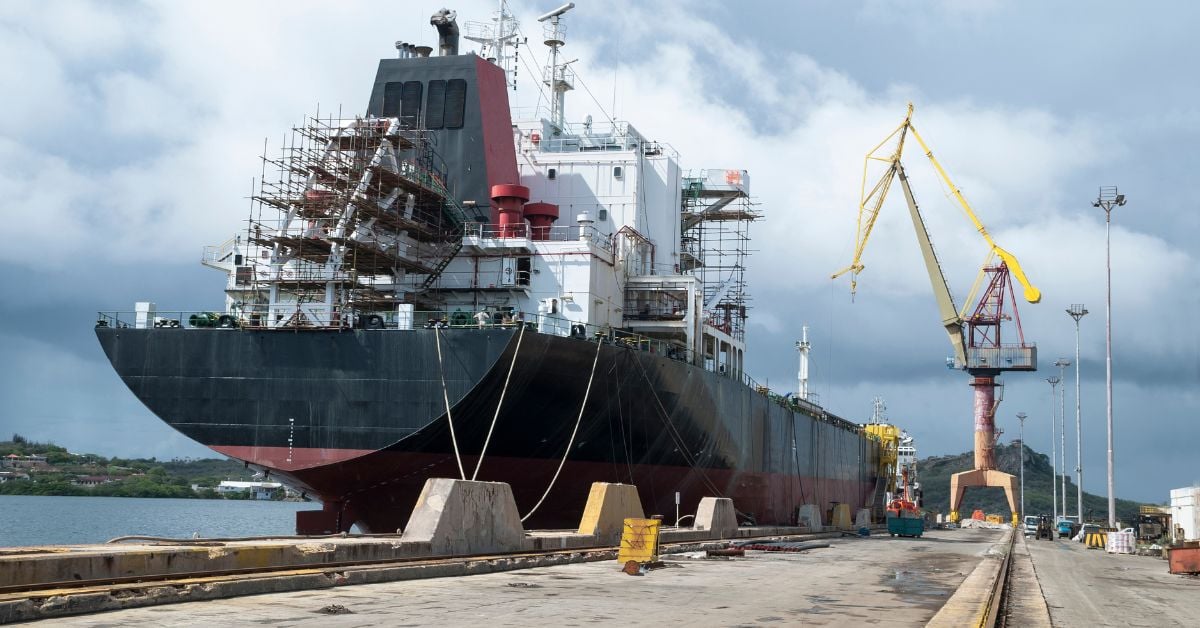
India’s ship repair sector is getting a major boost with the newly proposed 1800 crore joint venture between Cochin Shipyard Limited (CSL) and DP World subsidiary Drydocks World Dubai, which have agreed to operate the International ship repair facility in Kerala’s Kochi.
The facility began operating in 2024 and was entirely owned by Cochin Shipyard. On Wednesday, the joint venture was announced, in which CSL transferred its stake to the joint venture and received INR 1800 Crores.
The 50:50 partnership would include development, ownership and management of the international-level ship repair and maintenance hub, which will increase India’s drydocking capabilities.
The facility would be able to handle merchant and naval vessels measuring up to 130 metres, according to reports.
Through this initiative, the companies want to expand the technical and operational abilities and support Kochi’s growth into a world-renowned maritime services centre.
It comes at a time when India is pushing forward its campaign of becoming self-reliant in defence, with investments in domestic shipbuilding and other port and marine infrastructural facilities across the major ports of the country.
The facility would also generate employment opportunities and stimulate regional economic activities while helping India increase its maritime defence capabilities and reduce its dependence on foreign ship repair hubs.
It would offer support to ship owners by giving them maintenance and repair services at competitive rates close to major shipping lanes in the region.
The venture is expected to boost the efficiency of the Kochi facility and increase its ability to accommodate a wide range of ships.
This is the first public-private collaboration in India’s ship repair industry, which brings the expertise of a globally known shipyard operating company and India’s biggest shipbuilding and repair firm.
Officials said that the deal highlights the success of Cochin Shipyard, which got back its initial investment in the hub through the first transaction itself and would retain a 50% stake in the newly revamped facility.
Government officials said that the move represents a commercial success for CSL, which has recovered its initial investment in the facility through the transaction alone and will continue to have a 50 per cent stake in the facility.
Read on the original site
Open the publisher's page for the full experience