maintenance
World Data Ocean keeps maintenance in one place: 10 stories so far. The section currently leads with “Connecting 80 Percent of Shores Through Validated Ship-to-Shore Craft”, “Forward-deployed destroyer marks first Spanish dry dock for maintenance”, and “Kochi Poised to Become a Global Maritime Services Hub.”. A $230 million contract from the U.S. A 9,700-ton US Navy destroyer, the USS *Arleigh Burke*, has entered a dry dock in Spain for maintenance this week, the first time a forward-deployed ship of its kind has undergone such work in a Spanish facility. A Global Hub for Ocean Intelligence 4 World Data Ocean is a centralized digital platform where researchers, scientists, and ocean enthusiasts converge to… The list below is every maintenance story on World Data Ocean, newest first.
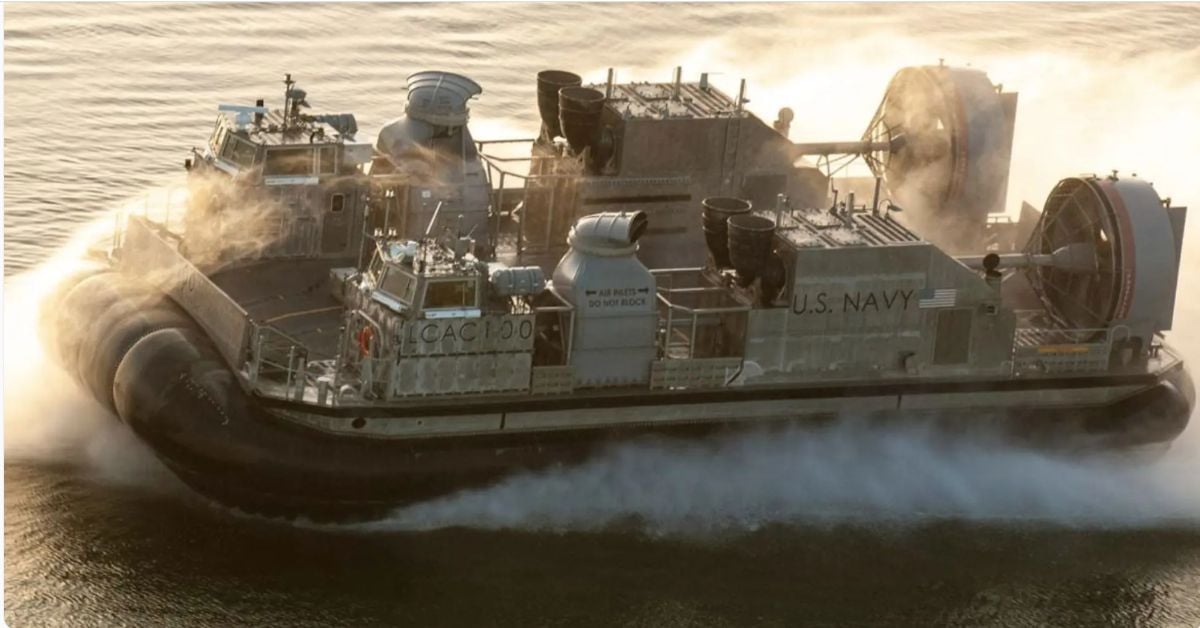
Connecting 80 Percent of Shores Through Validated Ship-to-Shore Craft
A $230 million contract from the U.S. Navy to Textron Systems Corporation will deliver two validated ship-to-shore connector craft built at the New Orleans shipyard. This investment connects 80 percent of shores through proven, integrated maritime technology. Measurable capability meets real-time operational need. For deeper context on naval readiness, see our coverage of the USS *Arleigh Burke*'s first Spanish dry dock maintenance, a parallel story of sustained forward-deployed engineering.
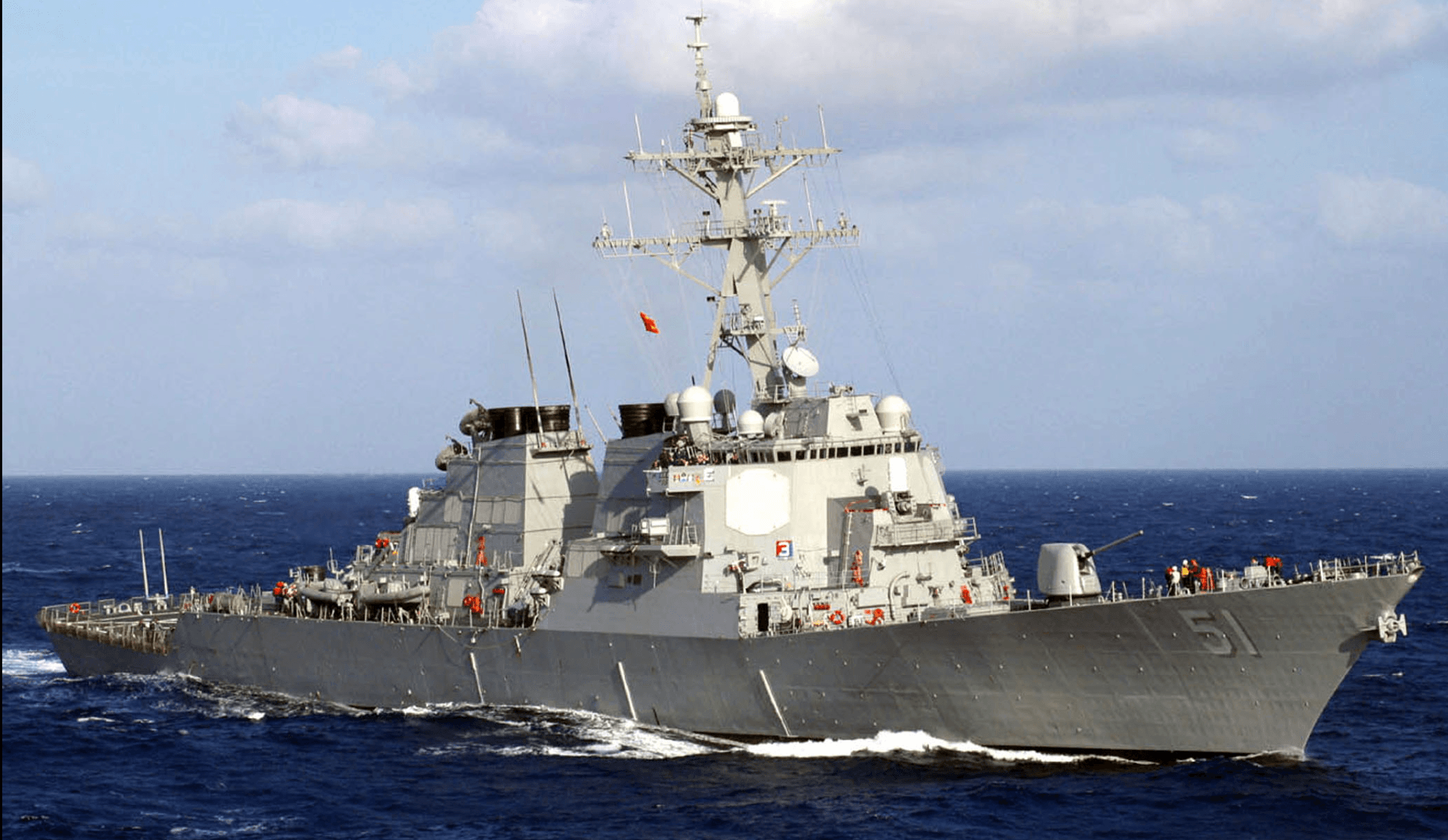
Forward-deployed destroyer marks first Spanish dry dock for maintenance
A 9,700-ton US Navy destroyer, the USS *Arleigh Burke*, has entered a dry dock in Spain for maintenance this week, the first time a forward-deployed ship of its kind has undergone such work in a Spanish facility. This move signals deeper operational integration across allied naval infrastructure. For readers tracking broader global shifts, our piece on divergent population trajectories reshaping climate indicators offers a complementary look at how measurable trends are redefining international strategy.
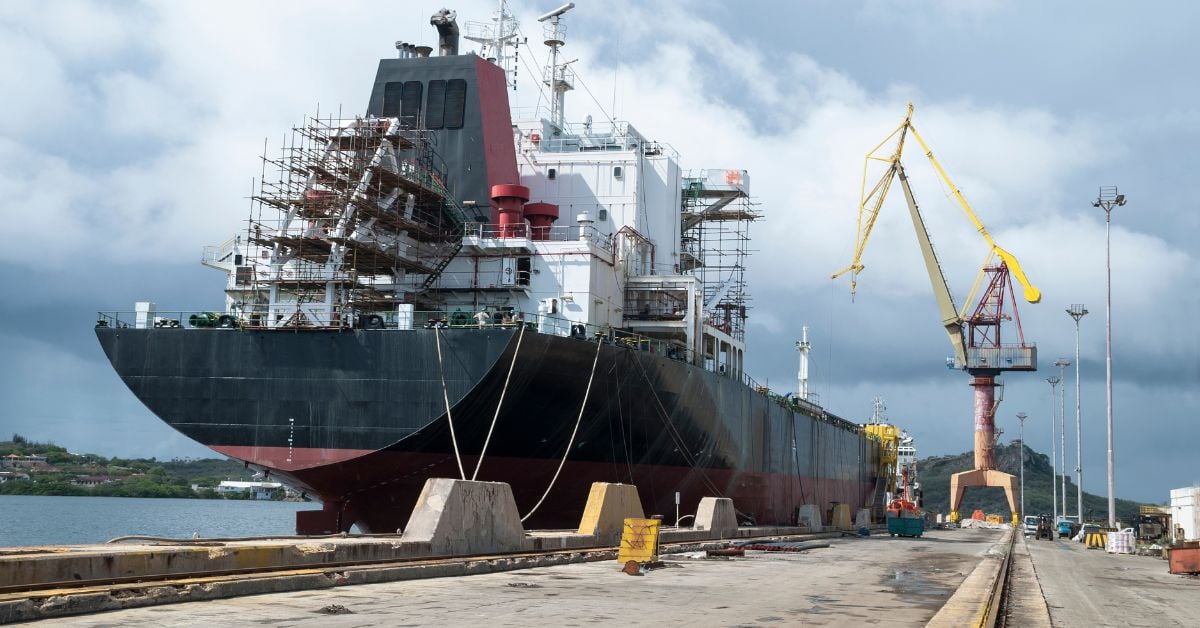
Kochi Poised to Become a Global Maritime Services Hub.
Kochi is positioning itself as a global maritime services hub, expanding its technical and operational capacity with measurable intent. This is not ambition for its own sake, it is a calibrated step toward integrated ocean intelligence. When a port city invests in real, validated capabilities, it strengthens the entire data ecosystem that connects orbit to ocean floor. For deeper context, see our coverage of Cochin Shipyard's strategic equity stake in Conoship. Understanding drives protection.
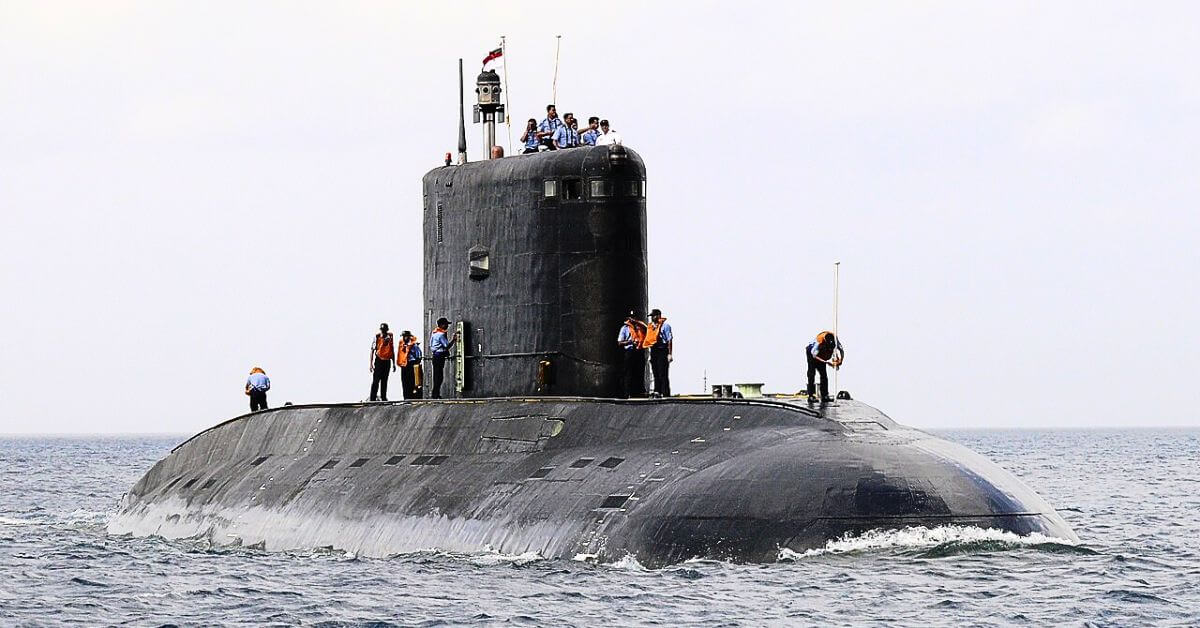
India Considers Refurbished Kilo Submarines Amidst Fleet Modernization
Russia's offer of three refurbished Kilo-class submarines to India arrives at a moment when fleet modernization is no longer optional. The boats, fitted with newer weapons, extend a practical path to capacity without the timelines of new construction. It is a measured proposal, and one worth examining closely. For readers tracking regional naval momentum, our coverage of India's projected 230-ship fleet in "India Projects Expanded Naval Fleet to Navigate Evolving Maritime Landscape" provides useful context. Pragmatism, not sentiment, should guide this decision.
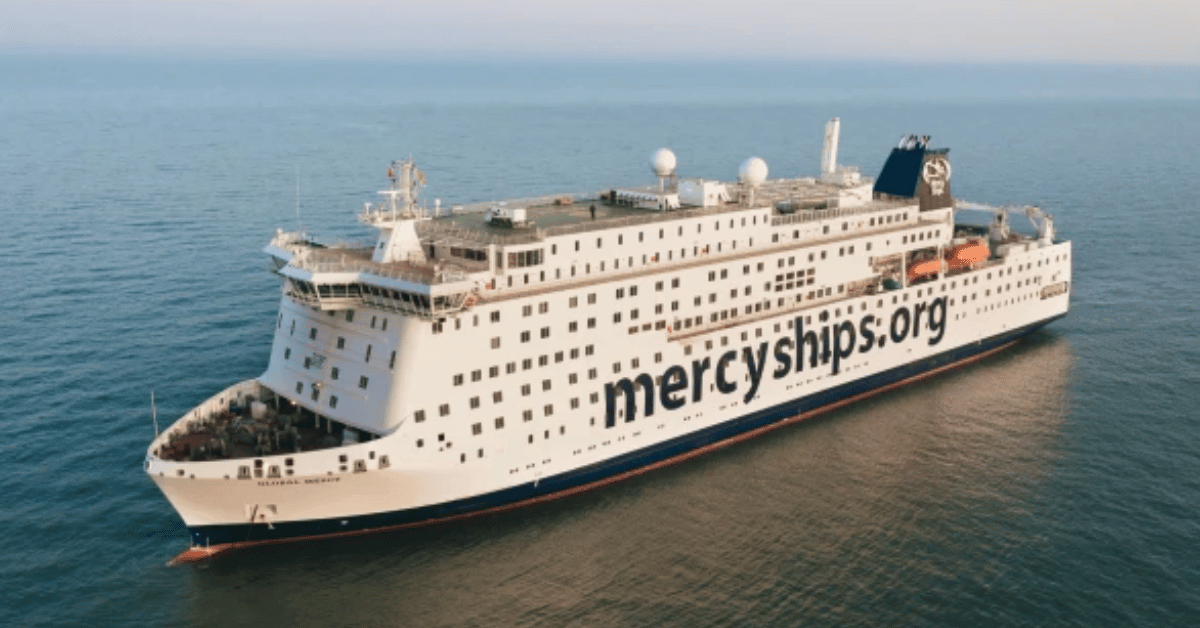
Reliable Power for Global Healthcare: Wärtsilä Supports Mercy Ships' Mission
Reliable power is the quiet backbone of global healthcare, and Wärtsilä's new multi-year service agreements with Mercy Ships ensure that truth holds steady at sea. By enhancing the reliability and maintenance of the organization's two hospital ships, this partnership sustains critical medical missions where uptime is non-negotiable. It is a measured, practical commitment to operational excellence. For broader context on how climate shifts affect health logistics, our related coverage on shifting malaria risks in Africa offers a telling parallel.

Rotterdam Refinery Explosion: Incident Highlights Risks in Petrochemical Storage
A fatal explosion at a Port of Rotterdam petroleum storage facility has killed one worker and left six others seriously injured, according to local authorities. The incident underscores the inherent volatility of petrochemical storage, a risk that demands constant vigilance across global supply chains. As we track these operational hazards, related coverage on ship-to-ship transfers in the Gulf of Oman highlights how pressure on fossil fuel logistics continues to mount.

Arctic Submarine Collaboration Expands: Germany, Norway, and Canada Unite.
Four days of talks in Kiel brought Germany, Norway, and Canada alongside TKMS, Kongsberg, and Multiconsult, signaling a deliberate step toward shared submarine capability. This is not merely procurement; it is the architecture of deterrence taking shape in Arctic waters. The collaboration reflects a practical recognition that no single nation patrols these expanses alone. For readers tracking Russia's icebreaker ambitions, including its calibrated export revenue scheme, this trilateral move adds a measured counterweight. We will follow how these industrial partnerships translate into operational reality.

Navy Removes Submarine Commander Citing Loss of Confidence
The U.S. Navy's decision to relieve a submarine commander over a "loss of confidence" underscores the uncompromising standard required for those entrusted with silent service. This is not a casual rebuke; it is a calibrated judgment that leadership is about more than technical skill. Such decisions, while stark, reinforce the discipline that underpins our naval power. For context on how this fits into broader force readiness, our piece on the U.S.

Validated Safety Review Confirms Floating Nuclear Plant’s Polar Utility
A validated safety review now confirms what polar infrastructure specialists have long argued: the world's only floating nuclear plant can serve as a reliable utility in the Arctic. Supplying both electricity and heating to isolated communities, the vessel offers a measurable, peer-reviewed path toward energy resilience where grids do not exist. This is not speculative ambition; it is calibrated, empirical evidence. For broader context on Arctic logistics, readers may also consult our coverage of Russia's Northern Sea Route icebreaker financing.

Three Years and €16 Million: Costs Mount for Seized Vessel
Three years of berthing and maintenance now total approximately €16 million for the seized vessel, a cost that works out to roughly €120,000 each week. The figure underscores how prolonged legal and operational limbo carries a financial weight of its own, one that grows with every passing month. It is a stark reminder that maritime disputes rarely come cheap, and the bill keeps climbing. For broader context on regional shipping pressures, our related coverage on Black Sea risks offers further grounding.