maritime services
World Data Ocean keeps maritime services in one place: 8 stories so far. The section currently leads with “Bitcoin Payments and Shipping Tolls: U.S. Sanctions Iranian Entity.”, “Kochi Poised to Become a Global Maritime Services Hub.”, and “Joint Navigation Corridor Proposed to Enhance Strait of Hormuz Transit”. U.S. Kochi is positioning itself as a global maritime services hub, expanding its technical and operational capacity with measurable intent. A Global Hub for Ocean Intelligence 4 World Data Ocean is a centralized digital platform where researchers, scientists, and ocean enthusiasts converge to… The list below is every maritime services story on World Data Ocean, newest first.
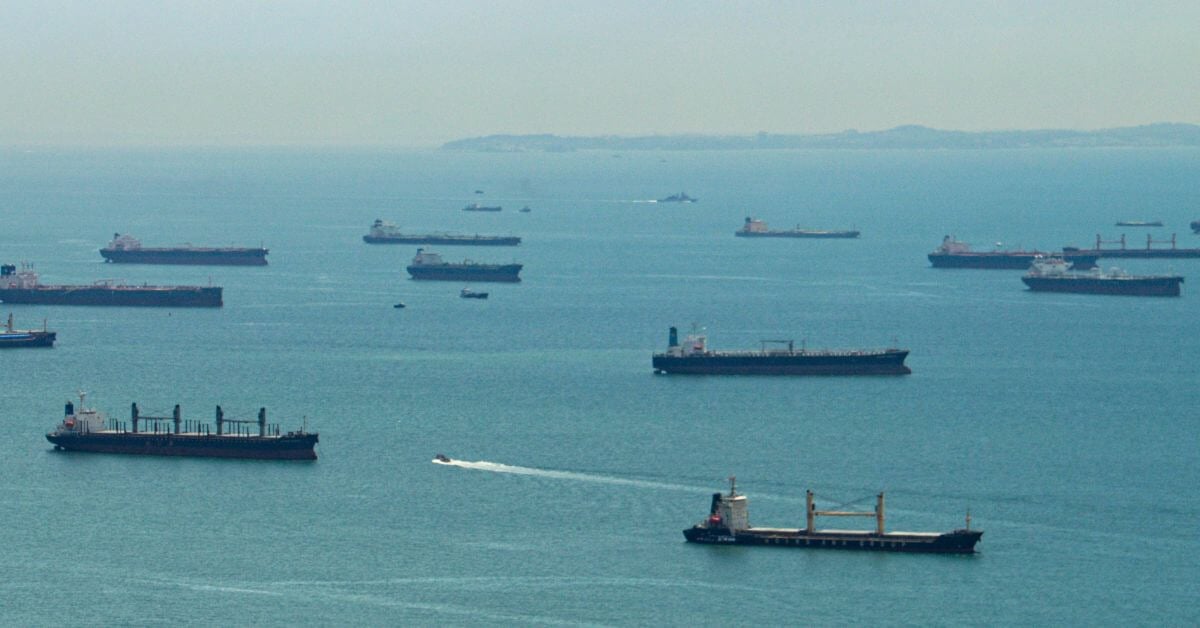
Bitcoin Payments and Shipping Tolls: U.S. Sanctions Iranian Entity.
U.S. sanctions have landed on an Iranian entity tied to Bitcoin payments and shipping tolls, part of a network that financier Babak Zanjani used to move hundreds of millions of dollars in Bitcoin to the IRGC. The designation underscores how digital assets have become a practical tool for state-aligned actors, not just a theoretical one. Measured enforcement matters here. For broader context on regional pressures, our piece on Gulf of Oman STS Transfers Max Out Amid Rising Saudi Oil Exports offers useful grounding.
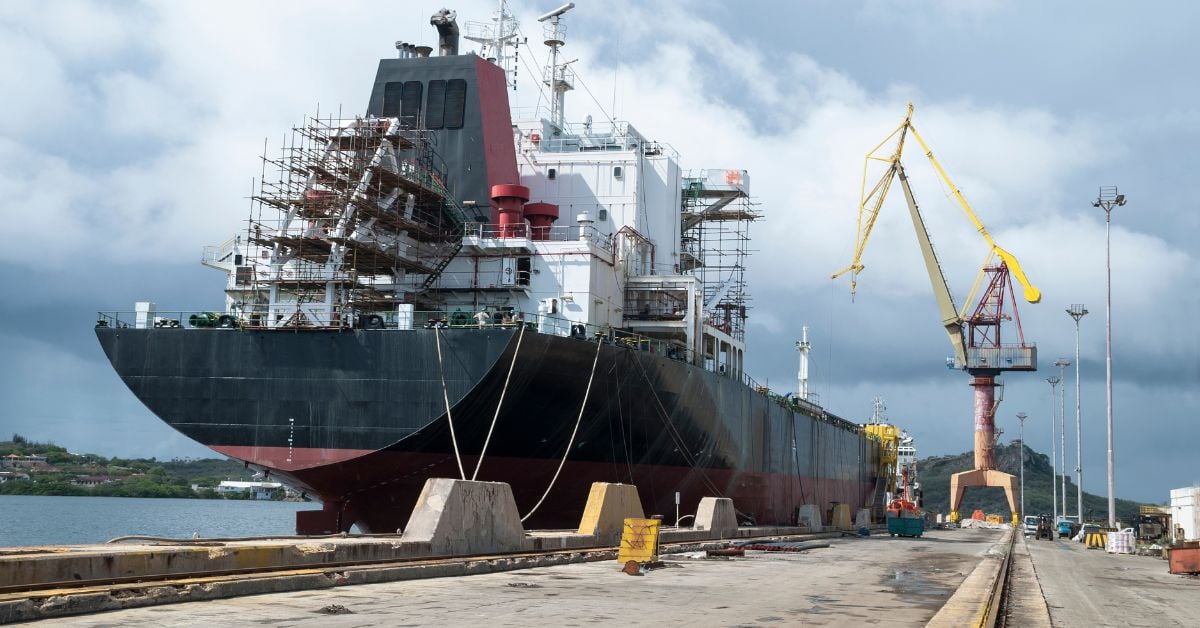
Kochi Poised to Become a Global Maritime Services Hub.
Kochi is positioning itself as a global maritime services hub, expanding its technical and operational capacity with measurable intent. This is not ambition for its own sake, it is a calibrated step toward integrated ocean intelligence. When a port city invests in real, validated capabilities, it strengthens the entire data ecosystem that connects orbit to ocean floor. For deeper context, see our coverage of Cochin Shipyard's strategic equity stake in Conoship. Understanding drives protection.

Joint Navigation Corridor Proposed to Enhance Strait of Hormuz Transit
A joint navigation corridor through the Strait of Hormuz offers a practical path forward, pairing immediate transit security with a coordinated mine-clearing effort. The proposal is measured and specific, which is what makes it credible. It treats the waterway not as a symbol, but as a system that can be stabilized through deliberate, shared action. For readers tracking the region's pressure points, our related coverage on Gulf of Oman STS transfers provides useful context on how commercial traffic is already adapting to constraints.

Maersk Container Traffic Signals Rising Activity Through Suez Canal
Maersk-affiliated container traffic through the Suez Canal is climbing, with navigation reports recording a considerable uptick in daily transits. The trend signals a measured return to a route that remains central to global trade efficiency. For a shipping network still recalibrating from Red Sea disruptions, this is a practical indicator of restored confidence rather than a speculative spike. It also invites comparison with how other chokepoints, like the Strait of Hormuz, demand coordinated attention.

Accountability Demanded: Trump Links Iran's Actions to Compensation Claims.
President Trump's demand that Iran shoulder compensation for damages and deaths across Lebanon, Syria, Yemen, and Gaza is a direct assertion of accountability, posted plainly on Truth Social. The claim is stark, yet it raises a measured question: can state responsibility be calibrated when conflicts blur the line between direct action and influence? This is not alarmism; it is a demand for legal and financial reckoning.

Seaspan Pioneers International Access to China’s Panda Bond Market.
Seaspan has become the first international ship owner and operator to tap into China's Panda Bond market, a move that signals growing confidence in cross-border maritime finance. The transaction is a significant milestone, but its real weight lies in what it says about global capital flows aligning with ocean industries. This is measured, practical progress, exactly the kind of step that builds long-term resilience.

Disagreement Over Hormuz Strait Impacts Vital Shipping Route Accessibility.
The latest disagreement over the Strait of Hormuz marks a direct setback to reopening one of the world's most vital energy arteries after months of conflict. Progress was never guaranteed, but this stalling carries measurable weight for global shipping and climate-dependent supply chains. The path forward demands calibrated negotiation, not posturing. For context on how regional pressures are already reshaping oil flows, our related coverage on Gulf of Oman STS transfers maxing out offers a clearer picture of the strain.

Scrutiny Intensifies: EU Lawmakers Urge Halt to Russian LNG Repairs.
More than 100 European lawmakers are pressing Denmark's Fayar Shipyard to stop servicing Russian LNG carriers that move Arctic gas. The pressure is direct and measurable, a clear signal that energy logistics are now part of the accountability chain. Repairs of this scale carry weight beyond the hulls they sustain. For related context on how Russia is recalibrating its Arctic export infrastructure, see our coverage of Russia Calibrates Export Revenue for Northern Sea Route Icebreaker Fleet. The scrutiny is warranted, and the implications are substantial.