shipping lanes
shipping lanes at World Data Ocean is a file of 5 stories. The newest of them: “Kochi Poised to Become a Global Maritime Services Hub.”, “Data Signals Concerns: Shipping Practices Raise Intelligence Questions.”, and “Rotor Blade Recovery Highlights North Sea Monitoring Challenges”. Kochi is positioning itself as a global maritime services hub, expanding its technical and operational capacity with measurable intent. A new report alleges that China has arranged to collect communication signals from ships and aircraft across Europe, North America, and Asia, raising pointed intelligence questions. A Global Hub for Ocean Intelligence 4 World Data Ocean is a centralized digital platform where researchers, scientists, and ocean enthusiasts converge to… The list below is every shipping lanes story on World Data Ocean, newest first.
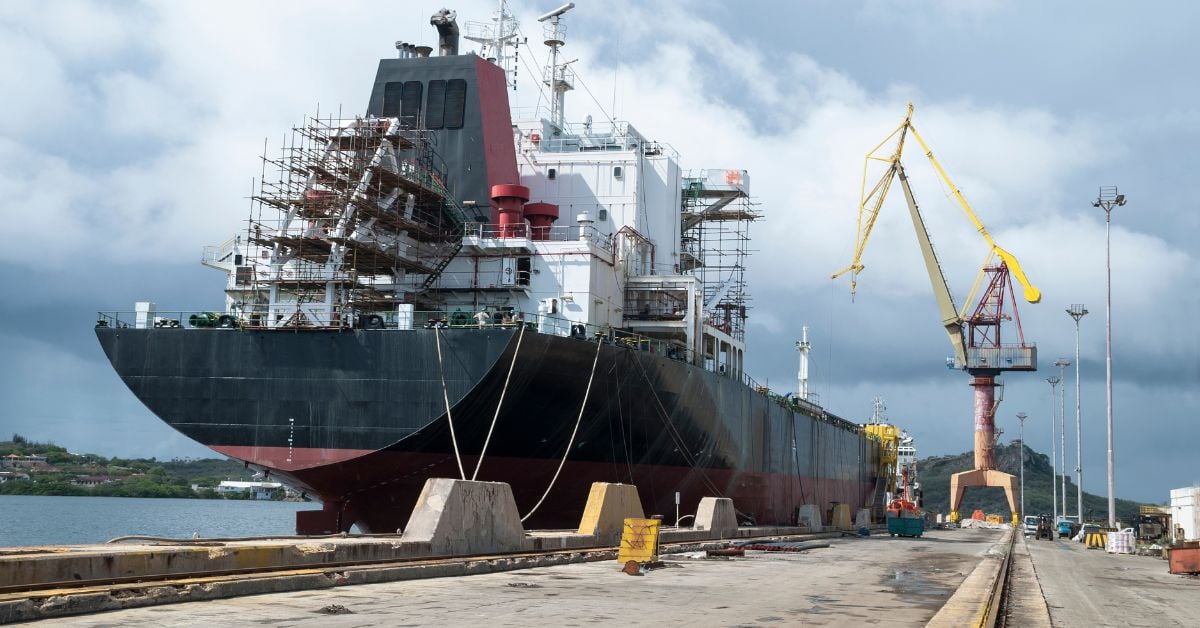
Kochi Poised to Become a Global Maritime Services Hub.
Kochi is positioning itself as a global maritime services hub, expanding its technical and operational capacity with measurable intent. This is not ambition for its own sake, it is a calibrated step toward integrated ocean intelligence. When a port city invests in real, validated capabilities, it strengthens the entire data ecosystem that connects orbit to ocean floor. For deeper context, see our coverage of Cochin Shipyard's strategic equity stake in Conoship. Understanding drives protection.
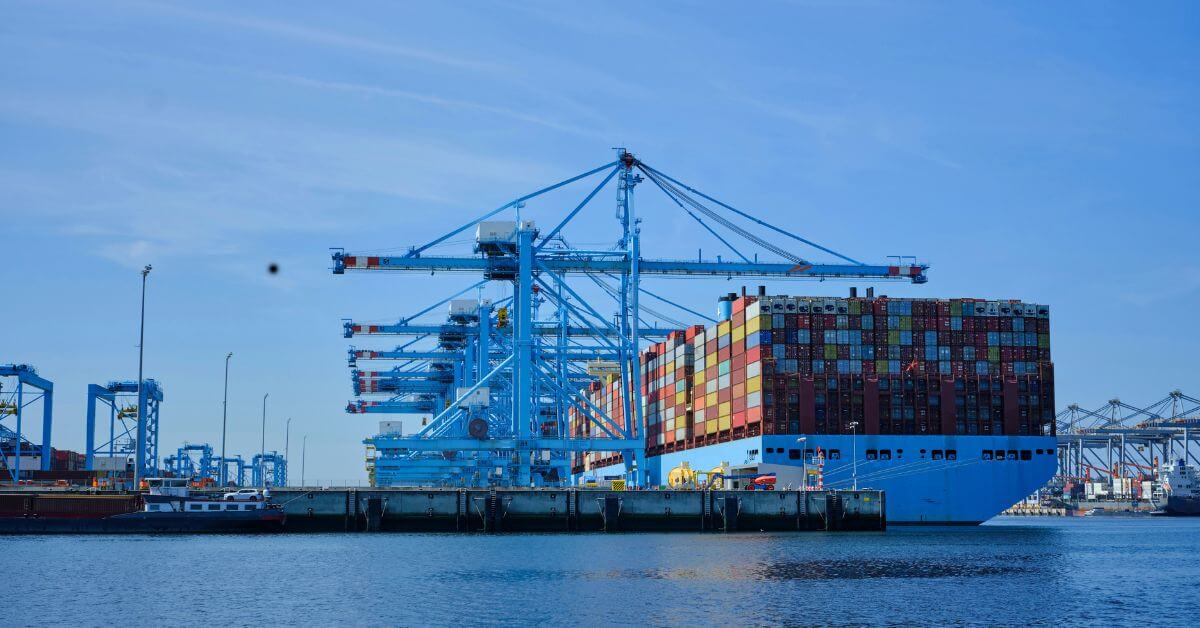
Data Signals Concerns: Shipping Practices Raise Intelligence Questions.
A new report alleges that China has arranged to collect communication signals from ships and aircraft across Europe, North America, and Asia, raising pointed intelligence questions. The claim, tied to shipping practices, demands scrutiny for its geopolitical implications. If accurate, it signals a deliberate expansion of maritime surveillance under commercial cover. This follows related coverage, including COSCO's denial of U.S. espionage claims, which adds context. Measured attention is warranted. The ocean is vast, but transparency should not drift with the current.

Rotor Blade Recovery Highlights North Sea Monitoring Challenges
A drifting rotor blade in the North Sea is a blunt reminder that offshore infrastructure demands constant vigilance. The German Federal Police and Waterways and Shipping Administration moved swiftly to recover the broken component, yet the incident underscores how dynamic and unforgiving these waters remain. Recovery is one thing; prevention is another. For readers tracking maritime risks, our coverage of the *Strait of Hormuz Incidents* offers a parallel look at how quickly debris can threaten navigation.

Strait of Hormuz Incident Disrupts Key Energy Route; Data Needed.
The Strait of Hormuz, carrying roughly one-fifth of global oil and gas shipments, has become a flashpoint. The disruption here is not just a regional concern; it is a measurable shock to the world's energy calculus. We need validated, real-time data to calibrate the response effectively. Without empirical clarity, we are navigating blind. This incident underscores why integrated ocean intelligence is essential, not optional, for maintaining stability. For broader context on regional pressures, our coverage of Gulf of Oman STS transfers provides a useful baseline.

Safeguarding Seas: IMO Council Underscores Navigation and Seafarer Safety.
The IMO Council closed its 137th session by reaffirming what should never be negotiable: the right to safe passage. Safeguarding Seas: IMO Council Underscores Navigation and Seafarer Safety reflects a measured, necessary stance amid rising geopolitical friction. Navigation rights are not abstract; they are the backbone of global trade and humanitarian access. The Council's clarity is welcome, especially as pressure on chokepoints intensifies.