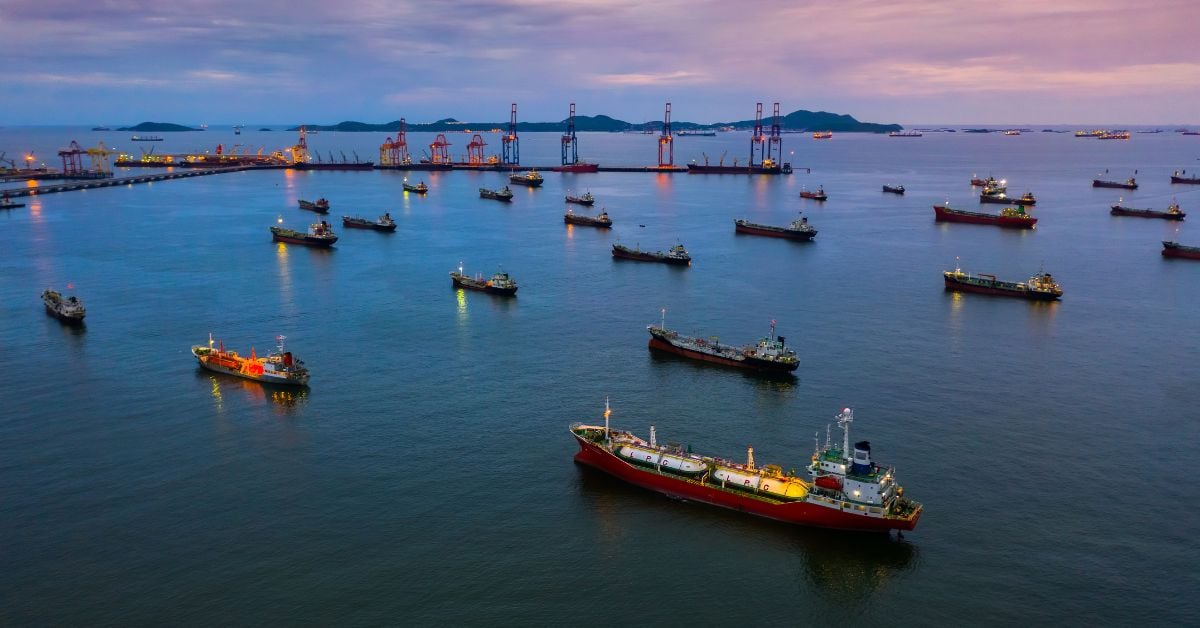
Japan's decision to sanction 35 vessels from Russia's shadow fleet is a calibrated move that strengthens maritime enforcement, and it arrives at a moment when the logic of such measures is becoming impossible to ignore. By denying insurance, maintenance, and port services to ships carrying Russian crude to buyers like India and China, Tokyo is targeting the financial arteries that sustain Moscow's war in Ukraine. This is not symbolic action; it is a practical intervention in a global system where oil revenues directly fund missile and drone campaigns against Ukrainian infrastructure. For our readers, researchers, policymakers, and ocean intelligence professionals, the sanctions signal that the shadow fleet is no longer an opaque logistical problem but a measurable, trackable risk that nation-states are now willing to act on. Japan's move echoes the recent Baltic Cargo Route Disrupted as Gulf of Finland Vessel Detained, where Russian border guards detained a commercial vessel, illustrating how maritime chokepoints are increasingly weaponized. Together, these events show that the ocean is becoming a venue for direct economic pressure, not just a medium for trade.
What makes this development significant is Japan's choice to act independently of its territorial dispute with Russia over the Northern Territories, which has long complicated bilateral relations. President Putin's recent visit to the contested islands and his call for "mutually beneficial relations" now ring hollow against the reality of frozen assets and export bans on 102 cargo items. Japan is signaling that ocean governance and geopolitical accountability are inseparable. The shadow fleet, aging tankers with opaque ownership and no standard insurance, has been a blind spot in global maritime monitoring. By naming specific vessels and companies, Japan has provided a calibrated list that can be cross-referenced with AIS data, port calls, and cargo manifests. This is empirical, actionable intelligence, not a broad embargo. It also aligns with the structural challenge Russia faces in financing its Northern Sea Route icebreaker fleet, where Moscow is now forcing exporters to pay for new icebreakers. Every sanctioned oil tanker reduces the revenue pool available for that Arctic expansion.
The practical consequence for our audience is clear: the shadow fleet is now a higher-risk operating environment. Insurers, port authorities, and maritime data analysts will need to integrate these sanctions into their risk models. Japan's action also sets a precedent for other Pacific nations to follow, potentially closing loopholes that have allowed Russian crude to reach Asian markets without scrutiny. President Zelensky's gratitude underscores the trans-Pacific dimension, this is not just a European concern. His call for a Black Sea maritime truce remains a separate diplomatic track, but Japan's sanctions tighten the economic pressure that makes any future negotiation more credible. The specific detail to watch is how India and China respond: if they continue accepting shadow-fleet oil, the enforcement burden shifts to port states and flag registries. Japan has drawn a line in the water. The question now is whether other maritime nations will calibrate their own responses, or let the shadow fleet adapt and disperse.