foreign ministry
foreign ministry at World Data Ocean is a file of 11 stories. The newest of them: “Stranded Iranian Vessels Off Sri Lanka Test Supply Limits and Sanctions Calculus”, “Japan Targets Shadow Fleet Oil Routes in First Sanctions in Over a Year”, and “Naval Vessels Collide in Arabian Sea During Routine Patrol”. At least 19 Iranian cargo vessels sit idle off Sri Lanka, their fuel, food, and water supplies running low. Japan has taken a calibrated step against Russia's shadow fleet, imposing its first sanctions in over a year on vessels transporting oil to India and China. A Global Hub for Ocean Intelligence 4 World Data Ocean is a centralized digital platform where researchers, scientists, and ocean enthusiasts converge to… The list below is every foreign ministry story on World Data Ocean, newest first.
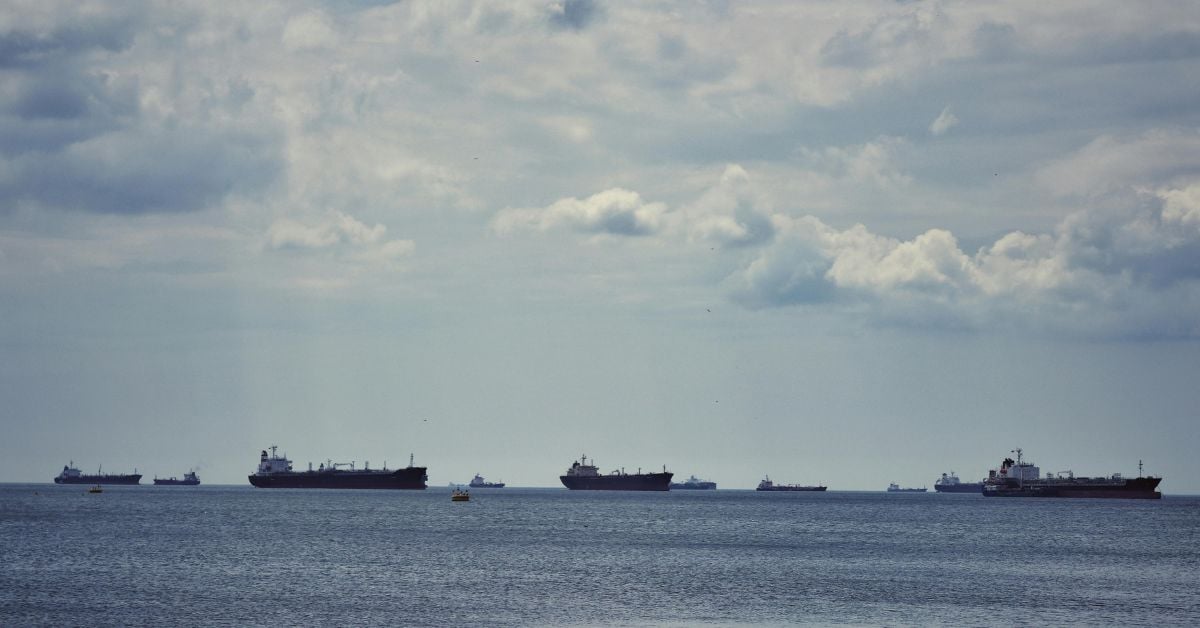
Stranded Iranian Vessels Off Sri Lanka Test Supply Limits and Sanctions Calculus
At least 19 Iranian cargo vessels sit idle off Sri Lanka, their fuel, food, and water supplies running low. This is not merely a logistical standoff; it tests the limits of supply-chain resilience and the calculus of international sanctions. The stranded ships highlight how geopolitical pressures ripple through global trade networks. Our related coverage on how divergent population trajectories reshape climate indicators offers a broader context for understanding such interconnected pressures.
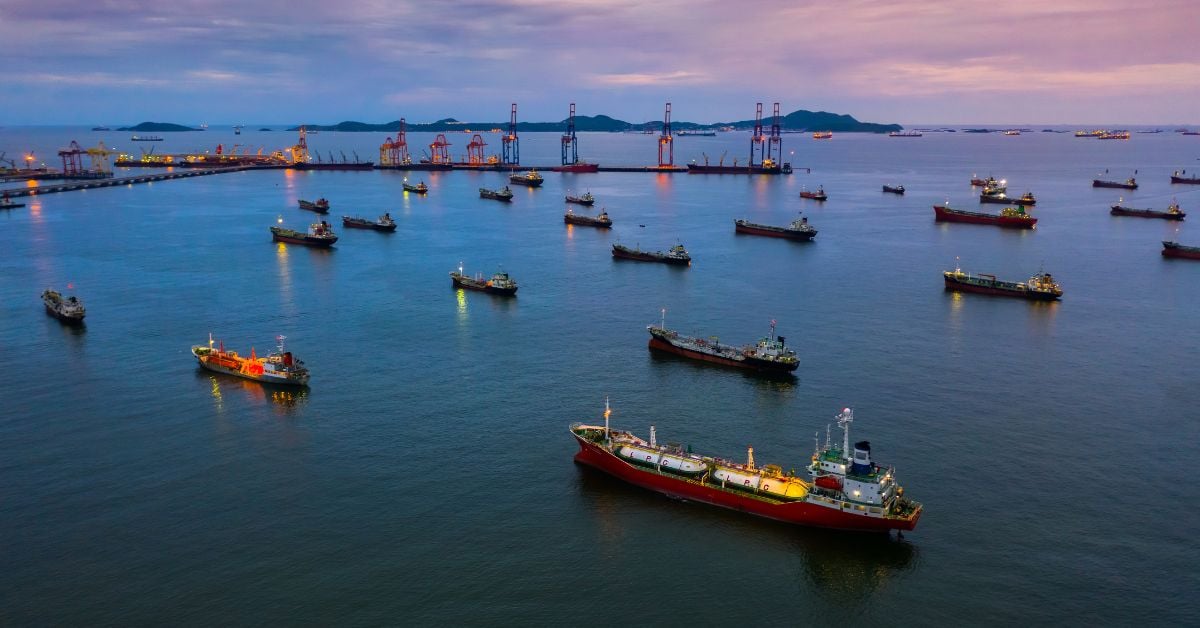
Japan Targets Shadow Fleet Oil Routes in First Sanctions in Over a Year
Japan has taken a calibrated step against Russia's shadow fleet, imposing its first sanctions in over a year on vessels transporting oil to India and China. This move targets an opaque network that undermines existing price caps and complicates global enforcement. Measured and purposeful, the action reflects a growing recognition that ocean intelligence must extend beyond environmental monitoring into geopolitical accountability. For deeper context on maritime disruptions, see our coverage of the Baltic Cargo Route disruption in the Gulf of Finland.
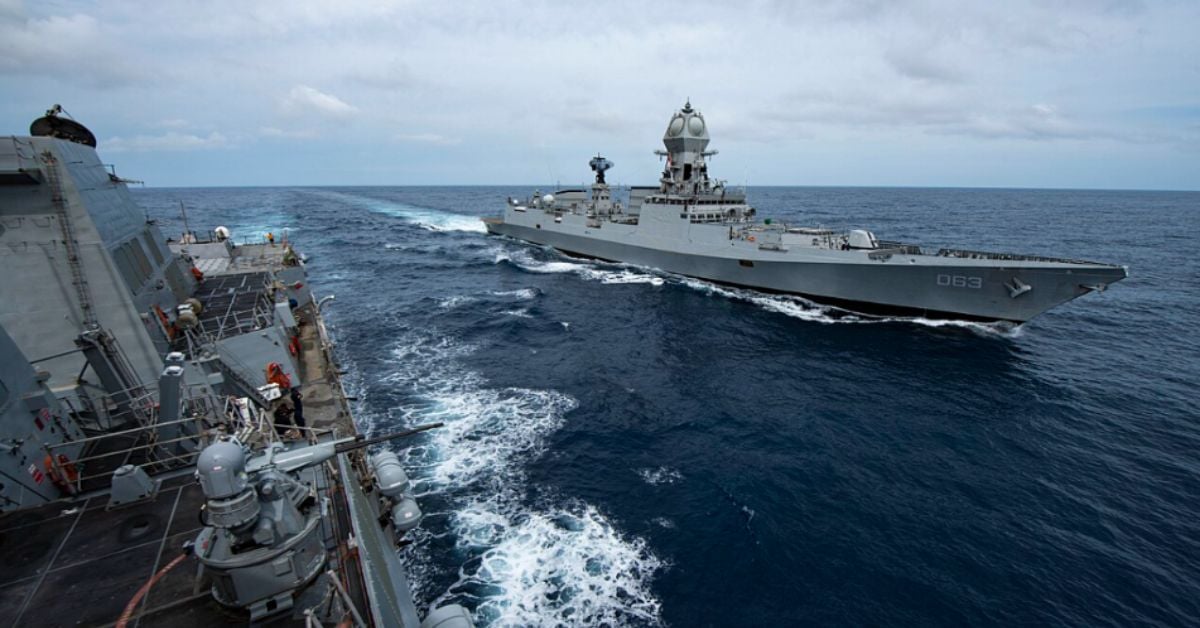
Naval Vessels Collide in Arabian Sea During Routine Patrol
A collision between a Pakistan Navy vessel and an Indian warship in the Arabian Sea during routine surveillance operations raises immediate questions about maritime protocols. Incidents like this are precisely why calibrated, real-time communication channels matter between regional fleets. The absence of reported casualties does not diminish the strategic weight of this encounter. For context on how such tensions intersect with energy security, our related piece, "Negotiations Clear Strait of Hormuz for LNG Delivery to Pakistan," offers a parallel view of diplomatic fragility.
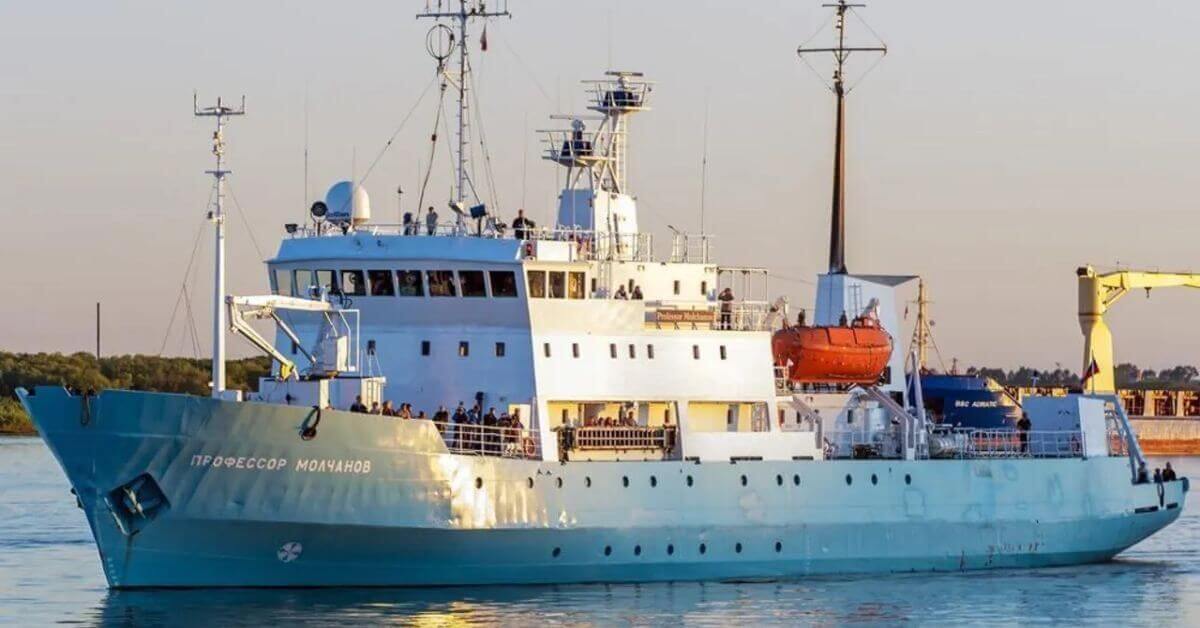
Arctic Stranding: Norway Assists 69 Russians Amid Maritime Dispute.
A Norwegian court ordered the seizure of a Russian vessel, and then Oslo assisted the 69 stranded crew members. This is pragmatic diplomacy during a maritime dispute driven by Ukraine's Naftogaz. Arctic operations cannot afford political standstills; they require calibrated cooperation. The incident highlights how commercial shipping becomes entangled in geopolitical currents. For deeper context on Russia's Arctic ambitions, see our coverage of the Vostok Project's oil exports amid shifting sanctions.
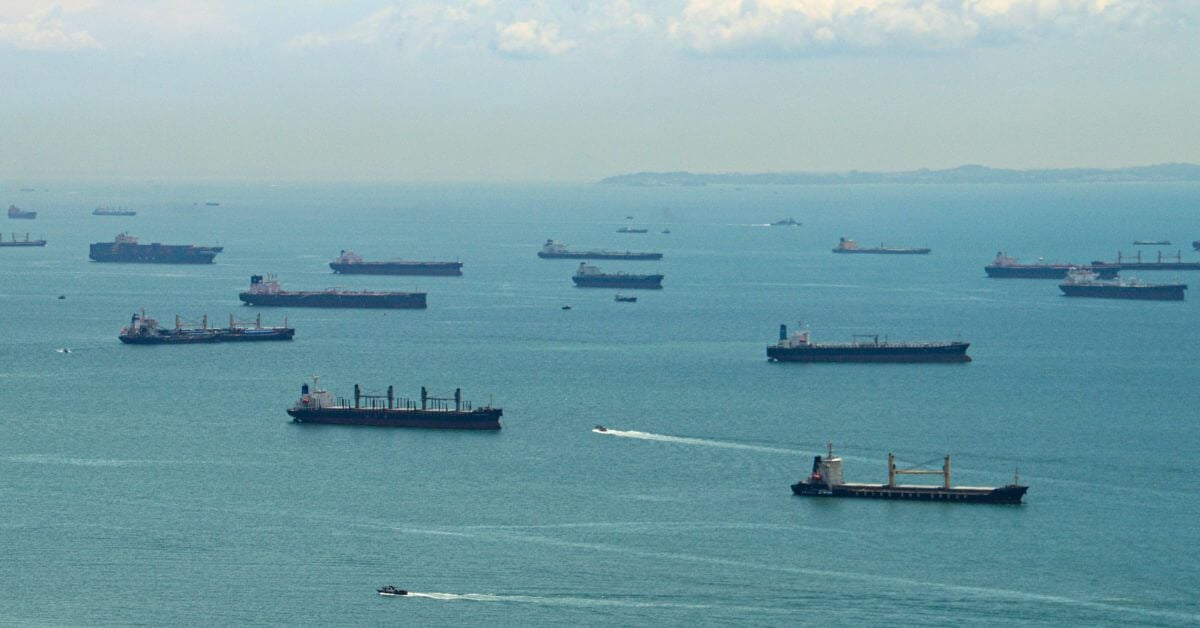
Escalation in Strait of Hormuz: Maritime Traffic Disrupted by Reported Attacks
Reports of multiple merchant vessels struck in the northern Gulf and Gulf of Oman signal a dangerous escalation in the Strait of Hormuz. Maritime traffic is now disrupted, and the immediate consequences for global energy flows are measurable. This is not a moment for alarmist speculation, but for empirical observation. For deeper analysis on regional capacity pressures, readers may consult our related report on Gulf of Oman STS transfers maxing out amid rising Saudi oil exports.
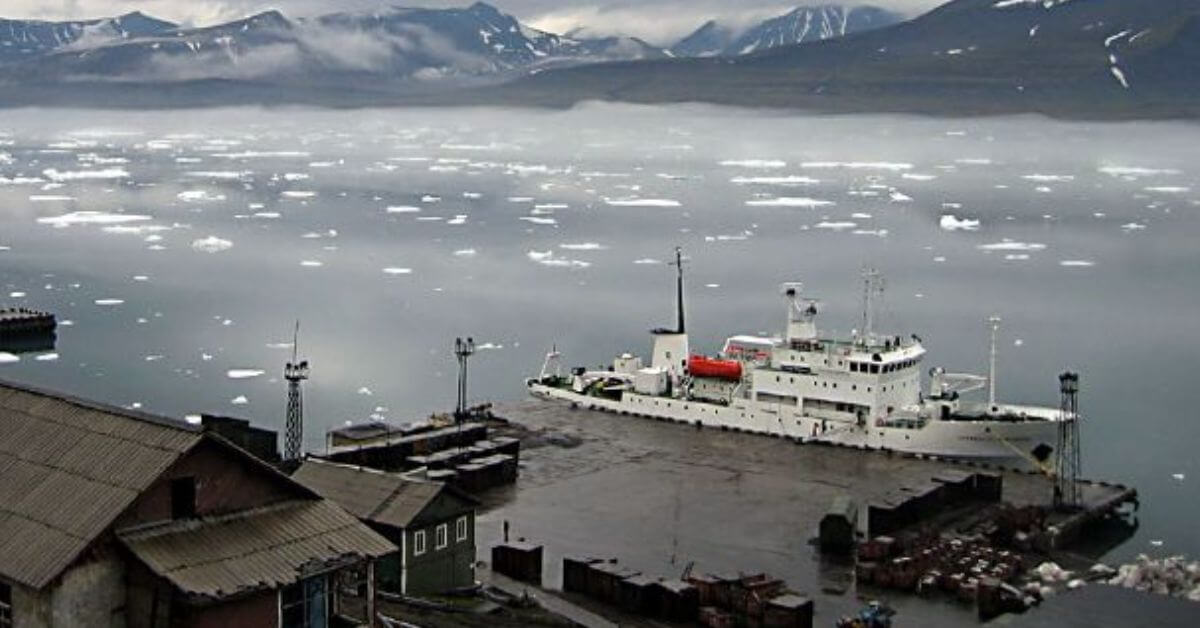
Dispute Escalates: Vessel Seized Amid Ukraine’s Energy Claim Against Russia
A vessel has been seized in escalating legal conflict. Ukraine's state energy company, Naftogaz, pursues a $4.2 billion compensation claim for assets taken by Russia. This is not merely a financial dispute, it is a calibrated test of international maritime law and the boundaries of energy sovereignty. The claim invites scrutiny of how state-sponsored seizures intersect with broader geopolitical pressures. For deeper context on Russia's evolving maritime strategy, see our coverage of the Northern Sea Route icebreaker revenue plan.
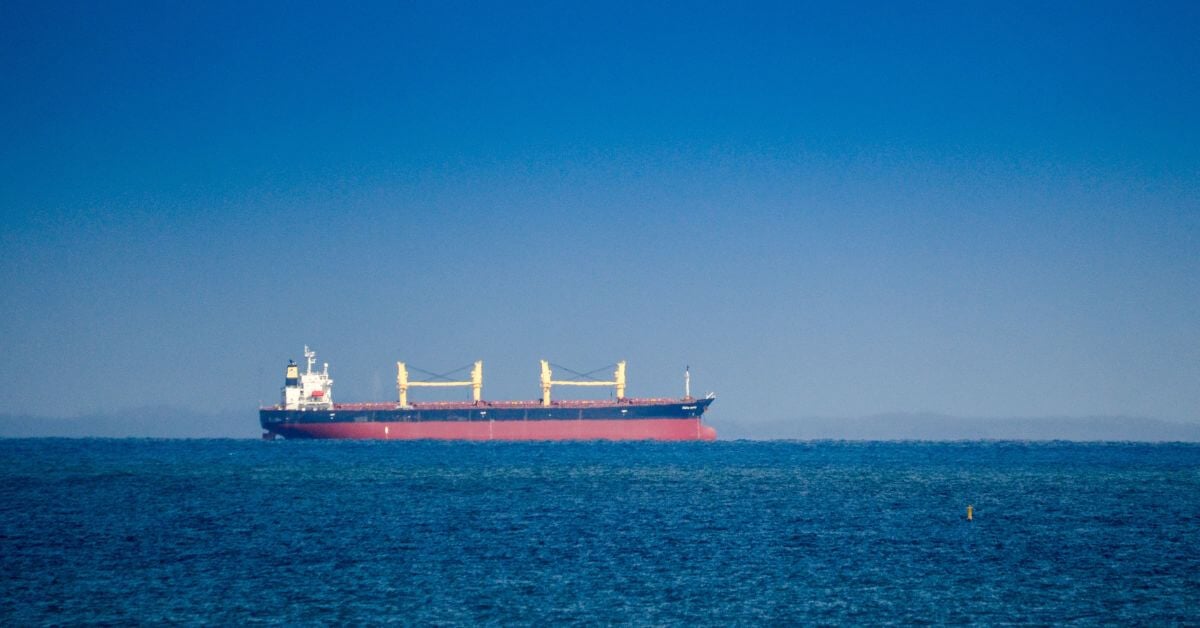
Maritime Traffic and Revenue Sharing Agreement Reached Between Iran and Oman.
Iran and Oman have reached a maritime traffic and revenue sharing agreement, a practical step toward regional coordination. Yet commercial shipping continues to face genuine risk in these waters, even as direct US-Iran hostilities have cooled in recent weeks. We view this pact as a measured, useful move, but not a cure-all. For context on the broader pressures, our related piece on Gulf of Oman STS transfers maxing out shows how strained regional logistics have become. Understanding drives protection.

UAE Suspends Trade with Iran Following Missile Incident Dispute
The UAE's decision to suspend trade with Iran lands with the weight of a diplomatic ultimatum, though its foundation appears shaky. Esmaeil Baghaei, Iran's foreign ministry spokesperson, dismissed the accusation as baseless, a rebuttal that sharpens rather than resolves the tension. This dispute unfolds against a fragile backdrop of maritime pressure, where the Strait of Hormuz remains a flashpoint. Readers tracking the broader reopening efforts may find context in our related coverage, "Phased Negotiations Aim to Ease Restrictions on Strait of Hormuz.

Shipping Route Stability: Iran Maintains Control of Strait of Hormuz.
The pause in fighting has steadied immediate concerns over further military escalation, yet the Strait of Hormuz remains a corridor where stability is measured in transit, not promises. Iran's maintained control here is a decisive factor for global oil flows, and we read this as a calibrated signal rather than a closed chapter. The diplomatic path forward is fragile, but for now, the route holds. For broader context on regional pressure points, our piece on Gulf of Oman STS transfers offers useful perspective.

Azerbaijani Captain Honored After Deadly Attack Near Odesa
The attack on the Atlas Bey off Odesa brings a stark human dimension to the ongoing conflict, and Captain Samad Nasrullayev's honor is well-earned. His composure under fire reflects the resilience required of civilian mariners navigating these dangerous waters. While military objectives dominate headlines, the loss and bravery here are personal. For a deeper look at how such strikes fit into the broader pattern of port infrastructure damage, our piece on confirmed military action near Odesa offers that context.

Iran Withdraws from U.S. MoU, Strait of Hormuz Closure Looms.
Iran's formal withdrawal from the U.S. memorandum of understanding marks a decisive shift, one that places the Strait of Hormuz back under a shadow of uncertainty. The agreement, signed just last month, has unraveled quickly, and the strategic ripple effects are immediate. This is not a moment for alarmist language, but for measured attention. As tensions resurface, our earlier coverage of the Gulf of Oman's maxed-out ship-to-ship transfers reminds us how fragile these maritime corridors truly are.