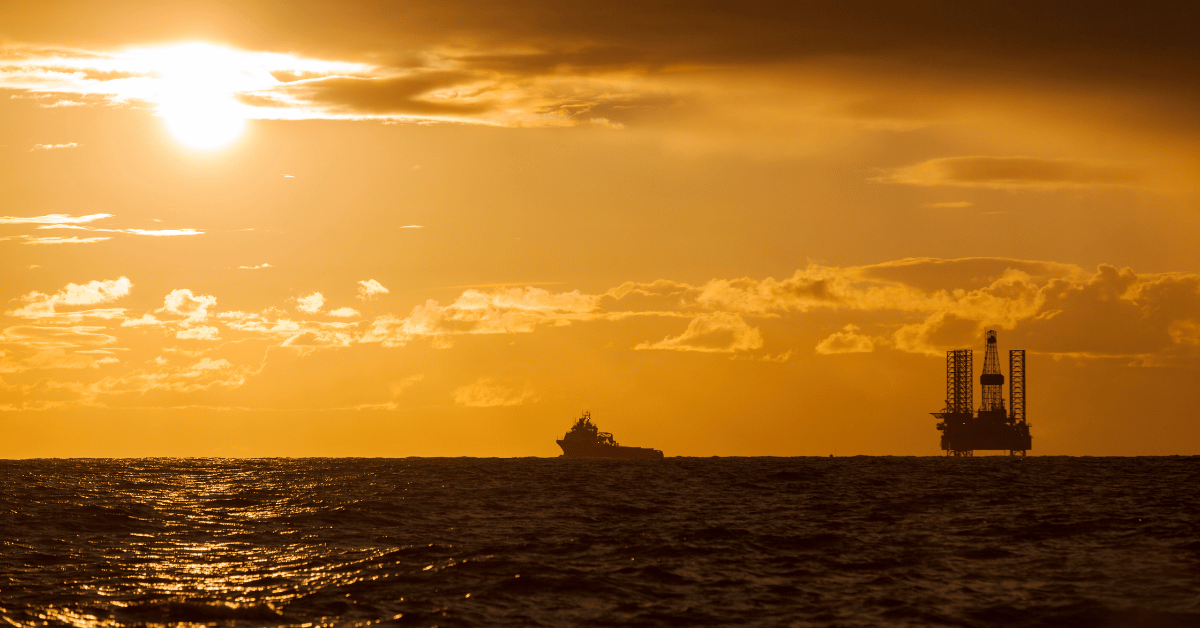
The sinking of the *Prospector 5* jack-up rig off Gabon is a sobering reminder that despite decades of technological advancement, the ocean remains an environment where operational risk is never fully eliminated. Our thoughts are with the five missing workers, their families, and the crews still engaged in the search. While the industry often focuses on production milestones and drilling campaigns, this incident demands we examine the fundamental safety of the jacking operations that are routine yet inherently hazardous. This event, occurring during pre-drilling operations, contrasts with recent stories like the Fatal Fire Aboard Cargo Ship Ocean Melody at Qingdao Port and the Strait of Hormuz tanker strikes leave two Indian seafarers missing, which involved different vessel types and causes but share the same tragic outcome of missing personnel. Together, they paint a picture of a maritime sector where human life is still the most vulnerable variable.
The suspected cause, a "punch-through" during jacking, is a well-documented failure mode where the leg of the rig suddenly penetrates a harder seabed layer into a softer one below, causing catastrophic instability. That this occurred on a 2014-built rig, relatively modern by industry standards, signals that age alone is not a proxy for risk. The fact that 110 people were evacuated successfully is a testament to emergency preparedness, but the loss of five individuals underscores that evacuation protocols are a last resort, not a solution. For our readers, whether they are researchers, policymakers, or offshore operators, the practical takeaway is clear: the industry must revisit the empirical data on seabed conditions and jacking procedures in the Gulf of Guinea, a region seeing increased drilling activity as part of the broader Seatrium to deliver four drilling rigs under Keppel's S$500 million offshore monetisation plan. The monetisation of older rig assets cannot outpace the validation of their operational safety in new environments.
BW Energy's confirmation that production at the adjacent MaBoMo facility continued without disruption and that no spill occurred is a narrow comfort. The primary failure was not environmental but human, and the ongoing technical investigation by Gabonese authorities must be transparent and its findings shared broadly. The African Energy Chamber's expression of solidarity is welcome, but the industry now needs more than prayers, it needs a calibrated, measurable review of jack-up rig stability models for the region's specific geology. This is not an isolated incident; it is a data point that should inform future risk assessments for every rig operating in similar conditions.
The search for the five missing crew members remains the overriding priority. As rescue teams continue their work, we will be watching for one specific outcome: whether the investigation leads to a public, peer-reviewed revision of jacking operation guidelines for the Dussafu license area. That is the concrete, measurable action that would turn this tragedy into a driver of safer operations. The ocean does not forgive assumptions, and the industry must not either.