sustainability
36 stories filed under sustainability on World Data Ocean. The newest of them: “Blue Shark Data Reveal Path to Sustainable Ocean Governance”, “From Awareness to Action: Measuring the Organizational Climate for Green Shipping”, and “Measuring the longevity of a booming ocean economy through integrated climate indicators”. Since 2010, blue shark has dominated species-specific reported catches in global shark fisheries, a position that reflects its relatively high productivity and the stable, well-regulated management provided by tuna… Environmental values alone rarely translate into action. A Global Hub for Ocean Intelligence 4 World Data Ocean is a centralized digital platform where researchers, scientists, and ocean enthusiasts converge to… The list below is every sustainability story on World Data Ocean, newest first.

Blue Shark Data Reveal Path to Sustainable Ocean Governance
Since 2010, blue shark has dominated species-specific reported catches in global shark fisheries, a position that reflects its relatively high productivity and the stable, well-regulated management provided by tuna Regional Fisheries Management Organizations. This distinction matters. Generalized conservation narratives that treat all oceanic sharks alike risk undermining science-based governance for species that can sustain harvest. Recognizing differences in biology, status, and socioeconomic role is essential. Our coverage of climate-driven fish migration similarly shows why shared stocks demand nuanced rules, not blanket restrictions.
From Awareness to Action: Measuring the Organizational Climate for Green Shipping
Environmental values alone rarely translate into action. A study of 463 maritime employees reveals that psychological capital, the reservoir of hope, efficacy, resilience, and optimism, serves as the critical bridge. Organizational green climate amplifies this pathway, turning awareness into measurable pro-environmental behavior. Shipping companies cannot rely on slogans. They must cultivate internal psychological resources and a supportive culture.
Measuring the longevity of a booming ocean economy through integrated climate indicators
The ocean economy is booming, but its longevity depends on what we can measure. UN Trade and Development now asks a critical question: how long can this growth last? The answer lies in integrated climate indicators, validated, empirical data that tracks real-time ocean health. Understanding drives protection. For deeper context, see how the cruise fleet expands its role as a calibrated platform for ocean intelligence. Growth without data is just speculation.
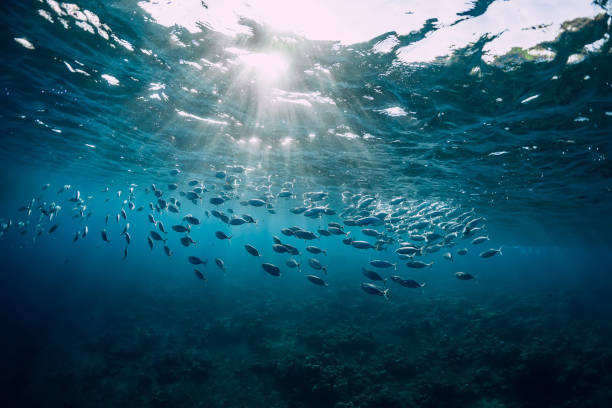
Closing the data gap: disclosure as a calibrated step toward ocean action
Disclosure is a calibrated step, not a final destination. This World Ocean Day, the conversation shifts from identifying the data gap to closing it, because what gets measured gets managed. Measuring the ocean's warming pulse at 2,000 meters gives us the empirical evidence needed for real action. We cannot protect what we do not understand. Transparency builds trust. A shared, measurable data ecosystem turns observation into obligation, making ocean stewardship not just urgent, but achievable.
Calibrating ocean intelligence to navigate a warming world
Calibrating ocean intelligence requires more than collecting data, it demands integration. Our warming world is outpacing fragmented observation systems. Validated, real-time measurements from orbit to ocean floor must become an integrated data ecosystem, not isolated snapshots. This is measurable, empirical work. Understanding drives protection. For deeper coverage, explore our related piece, "From orbit to ocean floor: integrated data reshapes our view of the sea," which examines how this unified approach is transforming marine science.

Cruise fleet expands its role as a calibrated platform for ocean intelligence
Royal Caribbean Group's cruise fleet is now a calibrated platform for ocean intelligence, extending its collaboration to capture critical conservation data onboard its ships. This is empirical science at scale, measurable, real-time data collected where the ocean meets industry. Understanding drives protection, and this partnership delivers validated climate indicators from orbit to ocean floor. For deeper context, our coverage of the newly appointed global experts calibrating the Ocean Decade's path for integrated data stewardship complements this story well.
Mapping Ocean Plastic Accumulation to Future Climate Indicators
Plastic doesn't just float; it accumulates in distinct ocean zones that now serve as measurable climate indicators. Understanding where our debris settles reveals more than pollution patterns, it exposes future warming trajectories. Our World in Data maps this convergence, connecting observable accumulation zones to broader environmental shifts. The findings are empirical, calibrated, and urgent. For deeper context on how integrated data reshapes ocean observation, see our related piece "From orbit to ocean floor: integrated data reshapes our view of the sea."
Empirical ocean data powers the measurable path to energy transition
The ocean's role in the energy transition is not theoretical, it is empirical. Measurable ocean data powers the path forward, validating climate indicators and calibrating our decisions. The World Economic Forum makes this clear: data is the foundation. For those tracking the science beneath the surface, our coverage of the Ocean Carbon and Acidification Data System offers a peer-reviewed look at how validated, integrated data ecosystems turn ocean intelligence into actionable climate insight. Understanding drives protection.
From orbit to ocean floor, data refines ocean stewardship
A small ocean drone returned validated data from inside a Category 5 hurricane, proving that even the most extreme conditions can yield empirical ocean intelligence. From orbit to ocean floor, integrated data systems refine our understanding of marine ecosystems. This is how we transform stewardship from reactive concern into measurable action. For deeper coverage on peer-reviewed findings from extreme environments, see "Small ocean drone returns validated data from inside Category 5 hurricane."
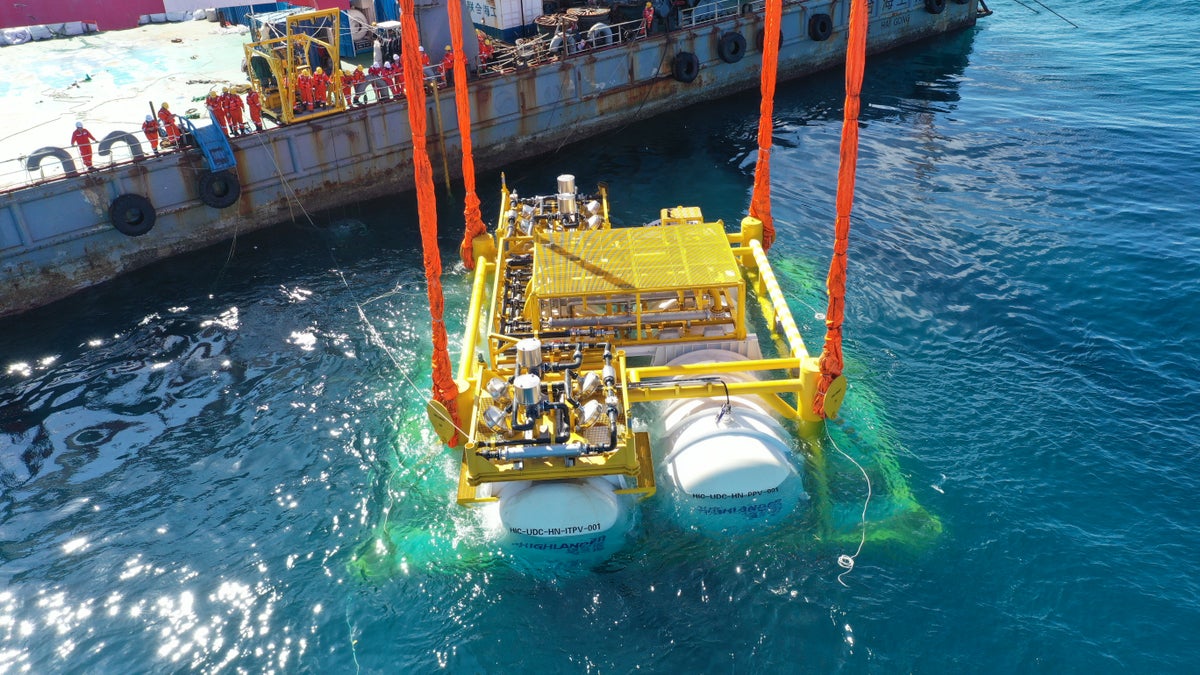
Submerged servers validate a new frontier for efficient ocean intelligence
Submerged data centers validate a new frontier for efficient ocean intelligence. China's deployment of ocean-cooled servers is not a speculative experiment, it is a measurable step toward integrating computing infrastructure with the marine environment. This approach addresses a real constraint: the energy cost of keeping processors cold. For a fuller picture of how life and energy move through these systems, see our related mapping of life's mass across oceans, land, and deep subsurface.
Calibrating our ocean intelligence for a sustainable data ecosystem
Every ocean dataset carries a hidden cost: the energy, materials, and infrastructure required to collect, store, and process it. Unchecked data growth risks undermining the very sustainability we seek to measure. Calibrating our ocean intelligence means building an integrated data ecosystem where every byte is validated, measurable, and purpose-driven. We must treat data stewardship as seriously as ocean stewardship. For deeper context, our coverage of "From orbit to ocean floor" examines how integrated observations strengthen Earth system predictions without expanding our footprint.

AI models and integrated data track shoreline debris at scale
Every piece of plastic on a beach tells a story, and now AI is reading that story at scale. By integrating real-time data streams with machine learning, we can track shoreline debris across vast coastlines, transforming scattered observations into validated, actionable ocean intelligence. This isn't just cleanup; it's empirical calibration of a global problem. For deeper context on how integrated data ecosystems make this possible, explore our coverage of Apeiron Labs' recent Series A to scale their ocean data platform.
New data validates fishing gear as the primary source of Pacific plastic
New data validates what many have long suspected: fishing gear is the primary source of plastic in the Great Pacific Garbage Patch. This is not a problem of straws and bags, but of industrial scale. Measurable, peer-reviewed evidence now points directly to the fishing industry. Understanding drives protection. For deeper context on how we track these accumulating pollutants alongside climate indicators, explore our coverage of "Mapping Ocean Plastic Accumulation to Future Climate Indicators." The ocean demands empirical solutions, not alarm.

Measured emissions data places food transport in ocean transit perspective
Measured emissions data places food transport in ocean transit perspective: most food moves by boat, so food miles represent a relatively small share of a diet's carbon footprint. This finding is a welcome dose of empirical clarity in a debate often muddied by oversimplification. It reframes the conversation around production methods rather than transport distance, a more measurable, actionable focus. For context on maritime economics, see our related coverage of Russia's Northern Sea Route icebreaker funding plan.
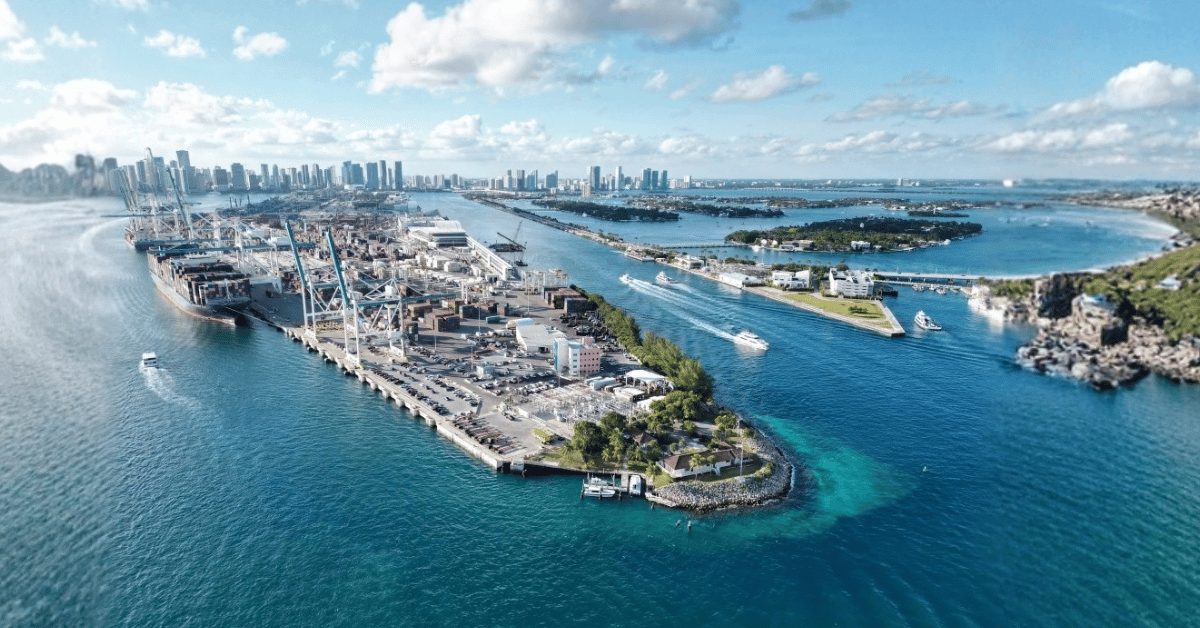
Port Miami Sets New Benchmark: 10 Million Cruise Passengers Reached
Port Miami has welcomed its 10 millionth cruise passenger for FY2026, surpassing its previous annual record and marking the highest volume in the port's history. This milestone reflects sustained momentum in maritime travel, backed by infrastructure that keeps pace with demand. It is a measurable validation of operational capacity, not a fleeting spike. For context on how marine systems move cargo and data, our coverage of the bulk carrier freed near Gladstone offers a useful counterpoint.
Integrating Data Infrastructure with Ocean Ecosystems: A Calibrated Approach
The seafloor is not a passive highway for data; it is a living system that demands calibration. This submission recognizes that integrating infrastructure with ocean ecosystems requires more than laying cables, it requires measuring impact with empirical rigor. We support this approach because it treats the ocean as a partner, not a conduit. Related coverage, such as our piece on integrated subsea cables across the Indian Ocean, reinforces the stakes. Understanding drives protection, and this work gets that sequence right.

Electrification and Innovation Redefine Ocean Sailing with Hypersail Yacht
ABB's electrification expertise now powers Ferrari Hypersail's bold pursuit of offshore records, pairing validated marine technology with the drive to redefine what sailing can achieve. This partnership signals a measured step forward, where performance and sustainability share the same keel. We see it as a practical response to a pressing need: cleaner propulsion without compromise.
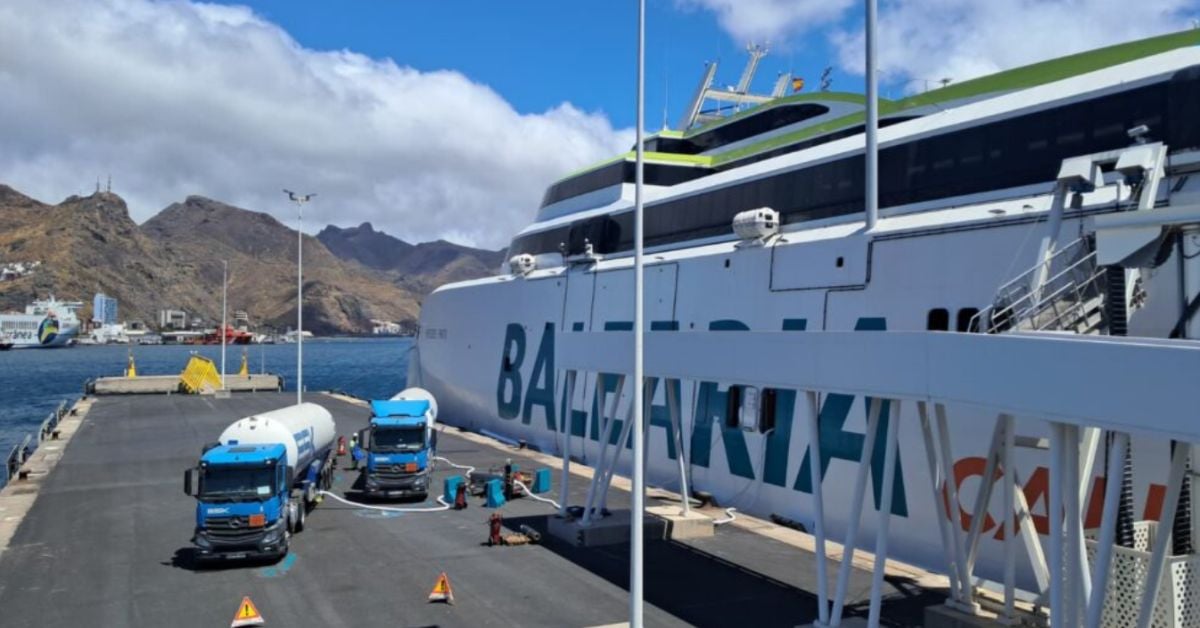
LNG Truck Refueling Marks Tenerife Port’s Sustainable Shipping Advance
Santa Cruz de Tenerife has completed its first ship refueling using liquefied natural gas delivered by tanker trucks, a measured step toward lower-emission port operations. This method integrates existing infrastructure with cleaner fuel logistics, demonstrating that incremental innovation matters. For readers tracking similar infrastructure milestones, our coverage of Paradip Port's designation as a Mega Port explores how ports worldwide are recalibrating for sustainable growth. Validated, real-world operations like this build the integrated data ecosystem we need to measure progress.
ICT Development's Role in Decarbonizing Global Maritime Transport
A new study confirms what we've long suspected: ICT development measurably reduces CO₂ emissions from maritime transport. Analyzing data across 111 countries, researchers found that digital infrastructure cuts emissions, but only up to a point. Beyond a certain scale of maritime activity, that benefit weakens. The threshold effect is a sobering reminder that technology alone cannot solve decarbonization. Strategy must scale with operations. For further context on maritime infrastructure growth, see our coverage of Paradip Port's designation as a Mega Port.
Ocean Stewardship: Validated Data for a Sustainable Future.
The ocean holds more data than we have yet learned to trust. Ocean Stewardship: Validated Data for a Sustainable Future centers on that gap, turning raw observation into peer-reviewed action. We are not asking for blind faith in technology; we are asking for calibrated, measurable responses to climate indicators. This is how we save oceans, not through alarm, but through integrated data ecosystems that guide policy and practice.
Empowering Future Ocean Stewards: Citizen Science for Inland Marine Biology Clubs
The Texas Gulf is not the only place where ocean stewardship begins, and your club's location is no barrier to meaningful impact. Starting a Marine Biology Club without beach access is a common hurdle, but the data you can gather from inland is just as valid. Citizen science platforms are your direct line to real-world action, and your instinct to connect battery drives to ocean health is spot on.
Data-Driven Ocean Biodiversity: A Path to Sustainable Stewardship.
Biodiversity data is the backbone of any meaningful effort to sustain ocean nature, yet it remains unevenly collected across the globe. Prioritizing that data is not a technical footnote; it is the foundation for measurable stewardship. We cannot manage what we cannot see. This piece examines how targeted collection efforts build the integrated data ecosystem needed for lasting impact. For broader context on how ocean data flows connect regions, our related coverage on integrated subsea cables offers a useful perspective.
Empowering Ocean Insights: Global Fishing Watch Data Now in ArcGIS.
Global Fishing Watch data is now live in ArcGIS Online and the Living Atlas, bringing validated, real-time ocean intelligence directly into the hands of researchers and policymakers. This integration is a practical step toward measurable stewardship, and we're glad to see it. For those tracking enforcement efforts, our related piece on Maritime Interdictions shows how such tools support security at sea. Understanding drives protection, and this data ecosystem makes that understanding more accessible than ever.
Beyond Area: Measuring True Progress in Ocean Protection.
The percentage of ocean area that is protected tells us less than we hope. Beyond Area: Measuring True Progress in Ocean Protection argues that the real metric is ecological health, not just square mileage. It is a sharp, necessary push for accountability. We agree: validated, peer-reviewed data must replace headline-grabbing designations. Understanding drives protection, but only if we measure what actually thrives. For broader context on how we track ocean systems, see our piece on Arctic Sea Ice Melt Season Stabilizes After Decades of Expansion.