Iran Says It Struck And Detained An Oil Tanker In Strait Of Hormuz Over ‘Illegal’ Passage
Our take
The recent announcement from Iran regarding the seizure of an oil tanker in the Strait of Hormuz, coupled with the corroborating report from the UK Maritime Trade Operations (UKMTO), underscores a concerning escalation of tensions in a vital global chokepoint. This incident, occurring alongside ongoing geopolitical complexities in the region, highlights the vulnerability of maritime trade routes and the potential for disruption to global energy supplies. The Strait of Hormuz, through which approximately a third of the world's seaborne oil passes, is inherently a flashpoint, and recent events build upon a history of incidents involving Iranian naval forces and commercial shipping. The claim of “illegal passage” by Iran further complicates the situation, raising questions about adherence to international maritime law and the potential for future escalations. The broader context is illuminated by recent developments, such as Iran’s Amphibious Landing Ship IRIS Lavan remaining in India’s Port of Kochi [Iranian Warship IRIS Lavan Remains In India’s Kochi 6 Months After Seeking Refuge Amid U.S-Iran War], demonstrating a degree of strategic maneuvering and potential reliance on external ports. Furthermore, China's upgrades to its military base in Djibouti near Red Sea shipping routes [China Upgrades Military Base In Djibouti Near Red Sea Shipping Routes To Monitor U.S. Movements In Gulf] signal a broader reshaping of naval power dynamics in the region, impacting the security landscape surrounding critical maritime corridors.
The implications of this tanker seizure extend beyond the immediate disruption of shipping lanes. It represents a deliberate demonstration of Iran’s capabilities and willingness to assert control over its maritime domain, potentially as a response to perceived threats or sanctions. The increasing frequency of cyberattacks targeting maritime vessels, as evidenced by the recent U.S. boarding of foreign-flagged ships after apparent hacker intrusions [U.S. Boards Two Foreign-Flagged Ships After Hackers Apparently Break Into Their Networks], adds another layer of complexity. These attacks highlight the growing vulnerability of maritime infrastructure to digital threats, further destabilizing an already precarious situation. The intersection of geopolitical tensions, naval posturing, and cyber warfare creates a challenging environment for commercial shipping and international security. Data on shipping traffic patterns and vessel behavior in the Strait of Hormuz, gathered through integrated data ecosystems, would be invaluable in assessing the evolving risks and informing mitigation strategies. Longitudinal analysis of these datasets, calibrated against geopolitical events, could provide early warning indicators of potential escalations.
The incident also raises questions about the effectiveness of current international maritime security efforts. While various naval presences operate in the region, the complexity of the geopolitical landscape and the decentralized nature of maritime traffic make it difficult to guarantee the safety and security of all vessels. The lack of a universally agreed-upon definition of "illegal passage" further exacerbates the problem, allowing for subjective interpretations and potential for conflict. A more robust and collaborative approach, incorporating real-time ocean intelligence and peer-reviewed assessments of risk, is needed to address these challenges. The development of an integrated data ecosystem, combining satellite imagery, vessel tracking data, and maritime incident reports, would enable more informed decision-making and facilitate coordinated responses to security threats. Such a system would require significant investment in data validation and calibration to ensure accuracy and reliability.
Looking ahead, the situation in the Strait of Hormuz is unlikely to stabilize quickly. The ongoing tensions between Iran and other regional powers, coupled with the evolving dynamics of global energy markets, create a volatile environment. It remains to be seen how other nations will respond to Iran’s actions and whether this incident will trigger a broader escalation of conflict. A key question to watch is whether the international community will be able to establish clear and enforceable guidelines for maritime navigation in the Strait of Hormuz, preventing future incidents and safeguarding the flow of global trade. The development and deployment of autonomous maritime monitoring systems, utilizing validated oceanographic data, could offer a more cost-effective and sustainable solution for enhancing maritime security in this critical region.
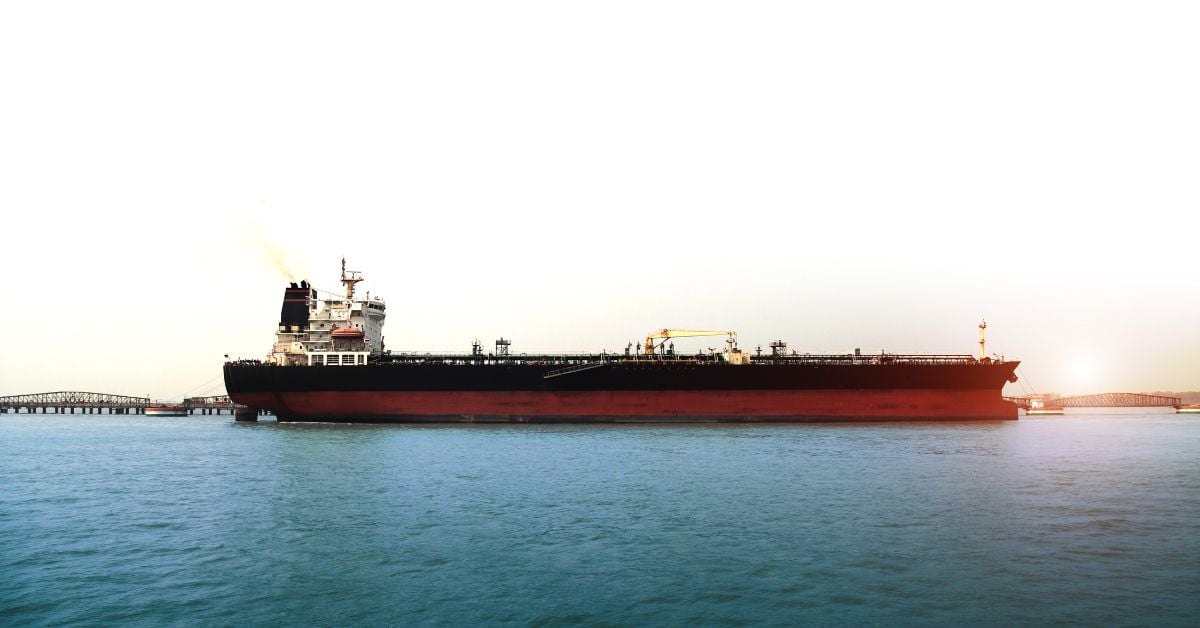
Iran’s Revolutionary Guards said that they struck and detained a Togo-flagged oil tanker in the Strait of Hormuz on Friday, September 18.
The Guards said the tanker, Trend, was trying to pass through the waterway without permission. They said the vessel was targeted after a fire broke out on board late Thursday.
Iran called the passage an “illegal” attempt. Its state media also reported that the Guards’ navy had warned ships trying to pass through the strait without authorisation that they would face “destruction”.
The United Kingdom Maritime Trade Operations (UKMTO) reported a separate incident involving a ship in the Strait of Hormuz.
UKMTO said a ship was hit by an “unknown projectile” while sailing out of the strait early Friday. The hit caused a fire, but the fire was put out. The crew was reported safe.
It was not clear whether the ship mentioned by UKMTO was the same vessel reported by Iran.
Iran has controlled much of the Strait of Hormuz since the United States and Israel launched attacks on Feb. 28.
The Islamic Republic has said it wants to charge ships for passing through the waterway. It has also attacked vessels that it says are trying to avoid its preferred route.
The Strait of Hormuz is a major route for oil shipping. Any restrictions on ships using the waterway can therefore affect companies moving oil through the region.
The United States is continuing its counter-blockade of Iranian ports during the Middle East war. Washington has also imposed new sanctions aimed at putting more pressure on Iran’s economy.
South Korea said it was considering expanding a naval operation in the Gulf of Aden. The aim would be to protect South Korean ships and oil shipping routes.
The country said it would not send troops to take part in the war with Iran.
Somaliland President Abdirahman Mohamed Abdullahi said his government was offering possible military and commercial access to its Gulf of Aden coast in return.
Abdullahi made the comments after meetings with U.S. officials and lawmakers. He said opening a U.S. diplomatic post in Hargeisa, Somaliland’s capital, or in Berbera was a priority.
Berbera is a major port near the entrance to the Red Sea and the Bab el-Mandeb Strait. The port has played a critical role in the U.S. war with Iran, according to the supplied material.
Several U.S. lawmakers have called on the Trump administration to recognise Somaliland as an independent country. Their calls came particularly after Israel recognised Somaliland earlier this year.
The Trump administration still recognises Somalia’s territorial integrity, which includes Somaliland.
Hundreds of thousands of people gathered in Tehran in the largest show of support for the Iranian government since the war began in February.
People at the rally pledged to take up arms as “Janfaday-e Iran”, meaning those who sacrifice their lives for Iran.
Some people trampled on U.S. and Israeli flags. Others chanted “Death to America” and “Death to Israel”.
Iran’s government has been calling for national unity as its economy faces more pressure.
The pressure comes from a U.S. naval blockade of Iranian ports and new U.S. sanctions aimed at increasing the economic pressure on Tehran.
References: CNA, AP News
Read on the original site
Open the publisher's page for the full experience