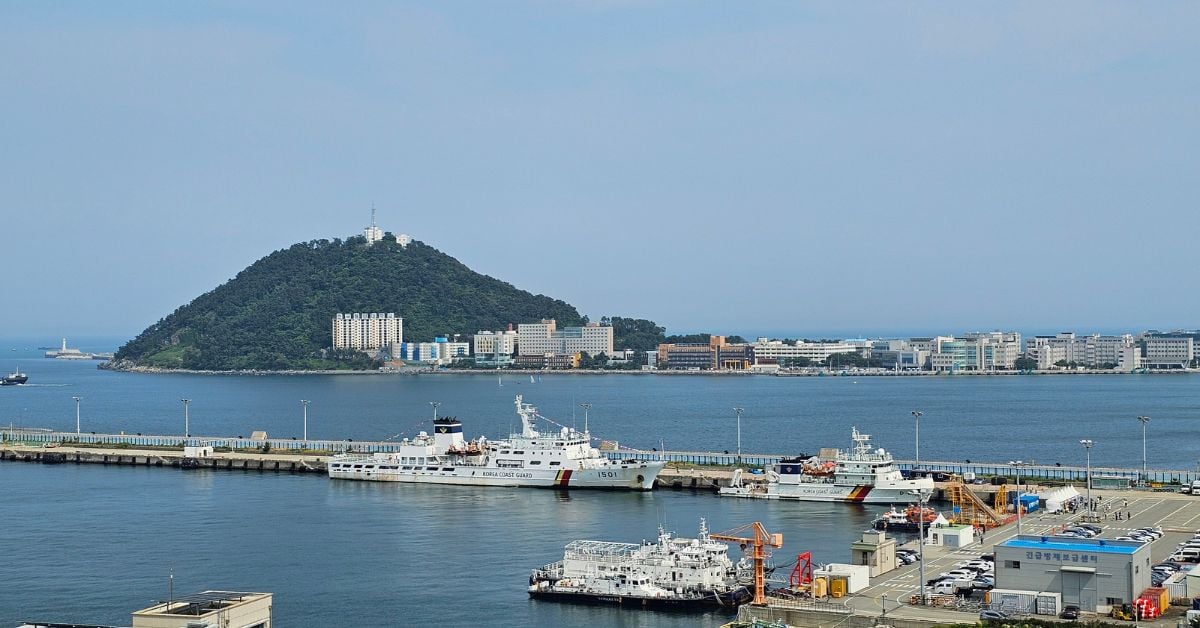
The sinking of the tugboat *TNS Catcher* off Busan, with five of its eight crew members missing, is not an isolated maritime tragedy. It arrives alongside other recent incidents that, together, paint a troubling picture of systemic vulnerabilities at sea. A fishing vessel that sank off Rhode Island on New Year's Day 2019 was only recently located, with human remains identified, as reported in our coverage of the Submerged Fishing Vessel Located, Human Remains Identified. Meanwhile, geopolitical instability continues to threaten commercial shipping, as evidenced by a drone strike impacting an LPG tanker near the Strait of Hormuz, detailed in Drone Strike Impacts LPG Tanker Near Strait of Hormuz. These are not random events; they are data points in a larger pattern of risk that the maritime industry must confront with empirical rigor.
Our take is this: the industry's approach to safety remains too reactive. We wait for a vessel to sink, then investigate. We wait for a strike to occur, then reinforce. The *TNS Catcher* incident, where only one crew member managed to climb to the tug's top as it began to sink, underscores a critical failure in real-time situational awareness and emergency response protocols. The ocean is the most dynamic and unforgiving environment we operate in, yet our safety systems often rely on static checklists and post-incident reviews. What we need is an integrated data ecosystem that continuously calibrates vessel stability, weather patterns, and communication integrity. The fact that the Rhode Island fishing vessel took years to locate, with human remains still unidentified, tells us that our tracking and recovery capabilities are not keeping pace with the scale of the problem.
For our readers, whether you are a policymaker, a marine operations manager, or a researcher, the practical implication is clear. You cannot manage what you do not measure in real time. The *TNS Catcher* sinking demands that we ask specific, uncomfortable questions: What was the vessel's stability condition in the minutes before it went down? Were there any pre-existing structural or mechanical indicators that were ignored? Could a calibrated, longitudinal monitoring system have provided a warning? These are not abstract inquiries; they are the basis for preventing the next loss. The drone strike on the LPG tanker further illustrates that external threats are now part of the operational baseline, not anomalies. The industry must integrate these climate and geopolitical indicators into a unified risk model.
A concrete takeaway to quote: **Every maritime casualty is a failure of data integration, not just a failure of equipment.** Until we treat ocean intelligence as a continuous, peer-reviewed, and actionable resource, we will continue to write these reports of missing crews and delayed recoveries. The question before us is not whether we have the technology, we do. It is whether we have the collective will to deploy it before the next alarm sounds. What specific sensor or protocol failed on the *TNS Catcher*? That is the detail to watch as the investigation unfolds.