tugboat
tugboat at World Data Ocean is a file of 18 stories. The newest of them: “Tanker Engine-Room Fire at Calaca Port Injures Two Crew Members”, “Mercedes-Benz Cargo Vessel Grounded in Düsseldorf Harbour Disrupts Rotterdam Route”, and “Black Sea Attack Damages Tugboat, Claims Lives of Two Seafarers”. A fire in the engine room of tanker Gindara at Balayan Distillery Inc. A cargo vessel carrying Mercedes-Benz vans has grounded in Düsseldorf harbour, disrupting a key route to Rotterdam. A Global Hub for Ocean Intelligence 4 World Data Ocean is a centralized digital platform where researchers, scientists, and ocean enthusiasts converge to… The list below is every tugboat story on World Data Ocean, newest first.
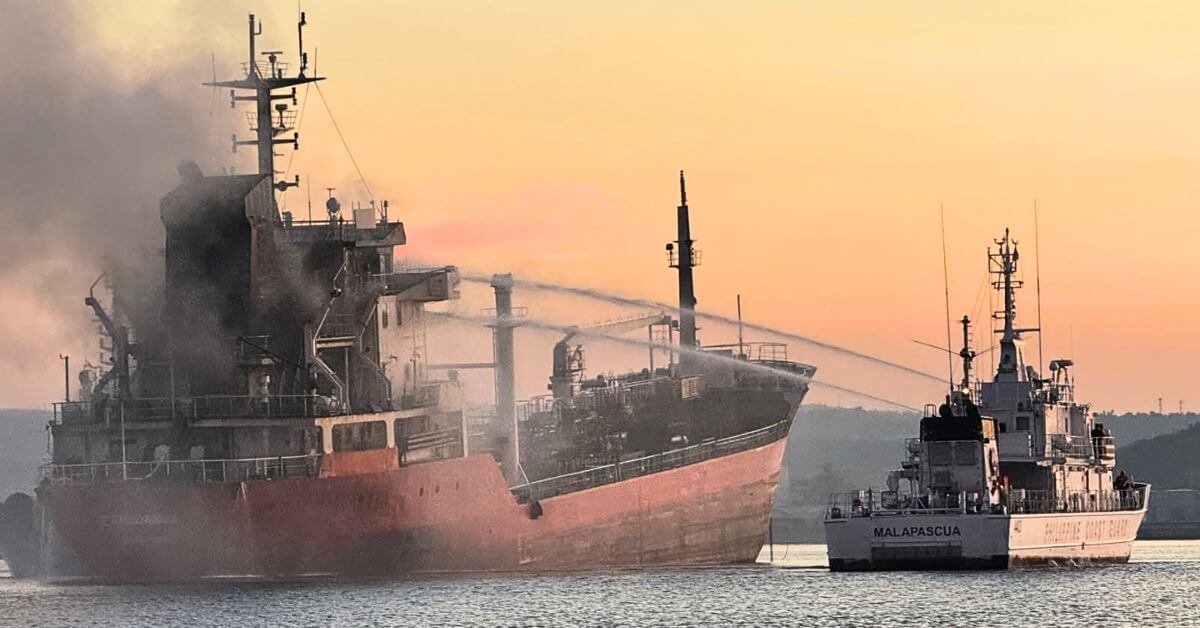
Tanker Engine-Room Fire at Calaca Port Injures Two Crew Members
A fire in the engine room of tanker Gindara at Balayan Distillery Inc. Port in Calaca City has injured two crew members. The incident underscores the persistent hazards aboard commercial vessels, where engineering spaces carry inherent risks even during routine port operations. Our coverage of the recent projectile strike at Yanbu Port serves as a reminder that maritime safety threats arrive in many forms. We will monitor this situation as response teams assess the damage and crew conditions become clearer.
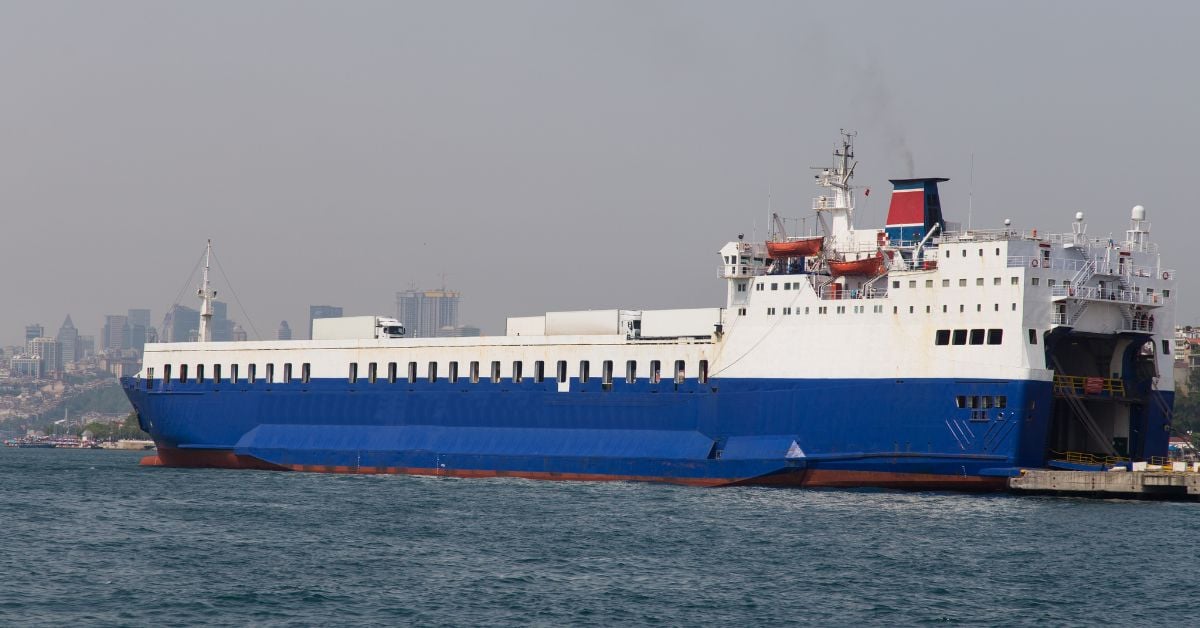
Mercedes-Benz Cargo Vessel Grounded in Düsseldorf Harbour Disrupts Rotterdam Route
A cargo vessel carrying Mercedes-Benz vans has grounded in Düsseldorf harbour, disrupting a key route to Rotterdam. Such incidents, while localized, ripple through supply chains that depend on precise maritime logistics. This is not a crisis, but a measurable disruption, one that underscores the fragility of integrated transport networks. For broader context on maritime vulnerabilities, our coverage of the "Fatal Attack on Cargo Ship Highlights Black Sea Shipping Risks" examines parallel threats to global shipping security. Understanding these patterns drives better preparedness.

Black Sea Attack Damages Tugboat, Claims Lives of Two Seafarers
A Black Sea attack has damaged the tugboat *Tedy* and claimed the lives of two seafarers, Ukraine's Ministry of Recovery, Infrastructure and Transport confirmed. This is a grim reminder that maritime conflict exacts a human toll beyond geopolitical headlines. Each casualty is a preventable failure of ocean stewardship. For broader context on Russia's maritime strategy, see our coverage of the Vostok Project's Arctic oil exports. Understanding these interconnected dynamics demands empirical, not emotional, analysis.
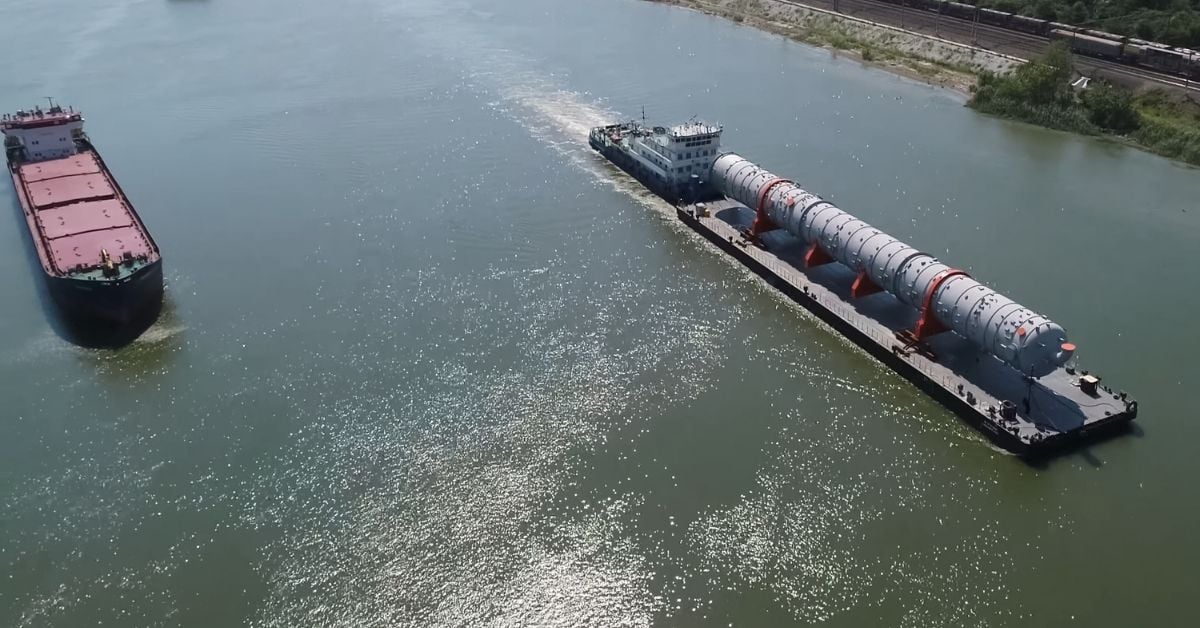
Understanding Barges: Essential Vessels for Inland Waterways and Cargo Transport
A barge is the simplest floating vessel, yet its role in moving cargo across rivers, canals, and shallow waterways is anything but trivial. Barges offer a clear, empirical look at how these unassuming vessels keep inland trade flowing. Understanding their design and function is measurable progress in grasping global logistics. For a contrasting view of large-scale maritime ambition, see our coverage of the Vostok Project's Arctic oil exports.
Investigation Launched After Tugboat Sinking Leaves Five Crew Missing
A tugboat with eight crew members is now the subject of an investigation after it sank, leaving five missing. The TNS Catcher went down with one survivor who climbed to its top as it submerged. This incident underscores the persistent dangers faced by maritime workers, even in routine operations. For context on how authorities respond to such tragedies, see our coverage of the submerged fishing vessel and identified remains off Rhode Island.
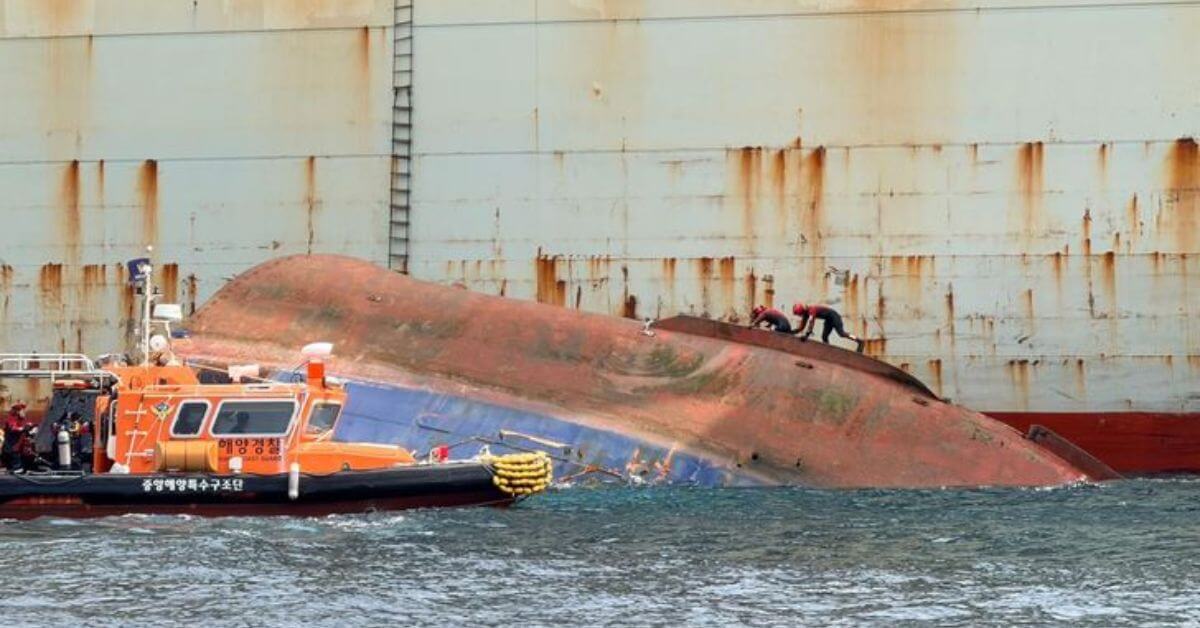
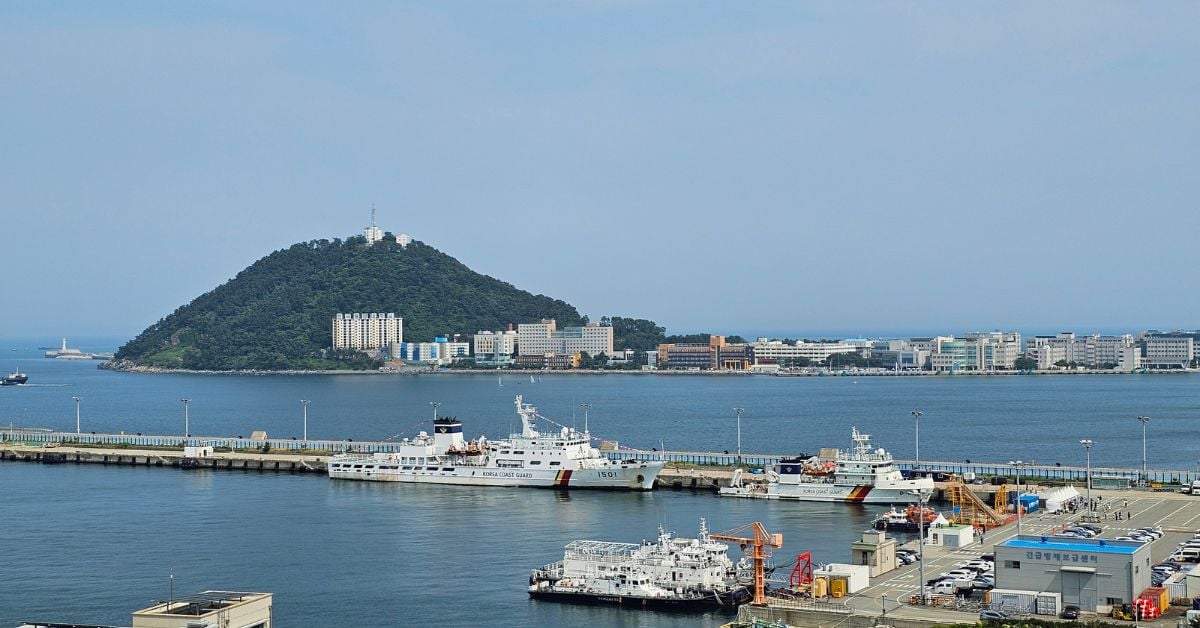
Tugboat Sinking Near Busan: Search Underway for Six Missing Crew.
A 286-tonne tugboat capsized and sank east of Oryukdo Island, leaving six crew members missing. The TNS Catcher went down at roughly 1:29 p.m., fully disappearing beneath the surface by 3:27 p.m. Search operations are underway, and every minute matters in these waters. Maritime emergencies like this remind us how quickly conditions can turn. For broader context on recent incidents, our coverage of the cargo ship fire near Mykonos offers a similar case of rapid response.
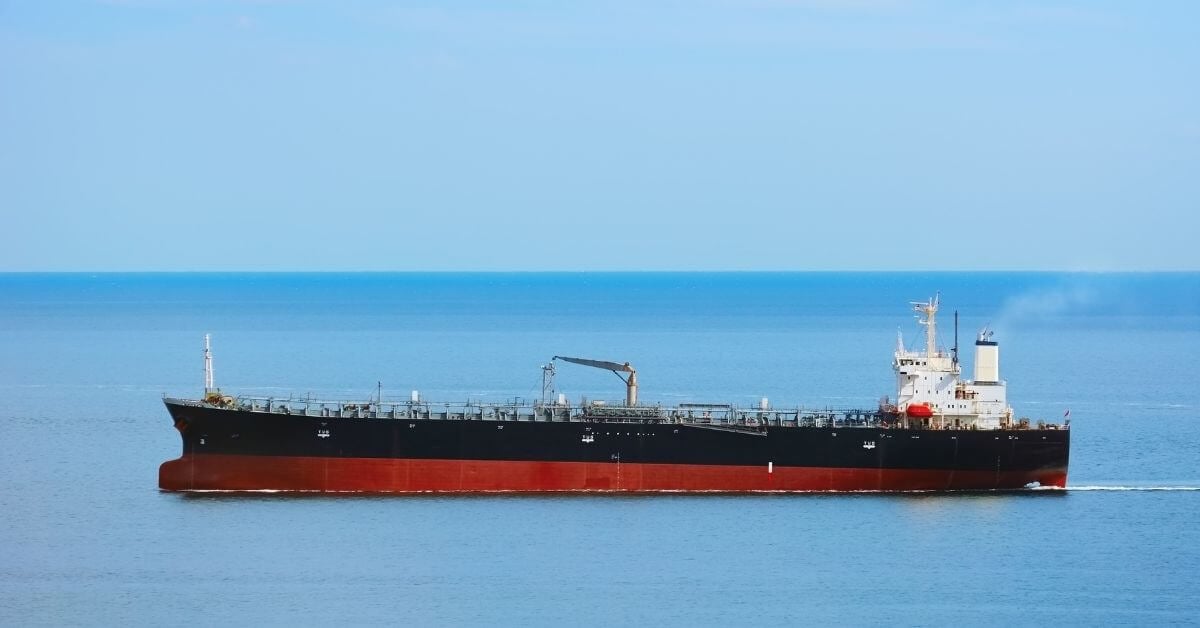
Fatal Fire Aboard Oil Tanker Highlights Maritime Safety Concerns
At 10:38 p.m. on Aug. 27, a fire broke out aboard a 7,000-ton-class Korean oil tanker approximately 7.4 kilometers north of Jawoldo in Ongjin County, underscoring the persistent risks facing maritime operations. The incident, which involved a fatal outcome, demands rigorous scrutiny of existing safety protocols. Vessel fires remain among the most preventable yet devastating emergencies at sea, and this tragedy reinforces the need for continuous, empirical improvements in crew training and vessel design.

Maritime Trade Under Scrutiny: Singapore Authorities Intervene in Suspected Fuel Deal
Maritime Trade Under Scrutiny: Singapore Authorities Intervene in Suspected Fuel Deal Singapore's Police Coast Guard officers arrested nine men, aged 25 to 54, during a check on a tugboat in waters off Tuas, where a suspected fuel deal drew official attention. The intervention underscores the quiet vigilance required to keep maritime commerce credible. Enforcement actions like this matter because they protect the integrity of trade routes that depend on trust.

Collision on Houston Ship Channel: Distraction a Factor in Fatal Incident
A fatal collision on the Houston Ship Channel has placed a harsh spotlight on human error, with distraction emerging as a likely factor. Four crew members were pulled to safety by the tugboat George M, yet the fifth was discovered dead within the wreckage. This loss is a sobering reminder that vigilance is non-negotiable at sea. While investigations will determine the precise sequence of events, the incident underscores how a single lapse can cascade into tragedy.

Search Efforts Continue for Missing After Ferry Fire Near Indonesia
The search continues off Indonesia's Madura Island, where the ferry Mutiara Sentosa 2 caught fire, leaving five dead and 41 missing. Each hour at sea complicates the rescue, yet the operation remains methodical. Vessel fires demand swift, calibrated response, and this one is no exception. We've tracked similar maritime emergencies, such as the cargo ship fire near Mykonos, which underscores how quickly onboard crises escalate. For now, our focus stays on the crews, the families waiting, and the hard data still emerging from the water.

Tugboat Sinks in Indonesian Waters; Crew Rescued Amid Severe Weather
When a tugboat crew in Indonesian waters severed their towline in an attempt to regain control amid severe weather, the vessel remained perilously unstable. Their rescue underscores a reality we track closely: the ocean does not forgive miscalibration. This incident is a stark reminder that integrated data ecosystems, like those enabling the swift response detailed in our coverage of the *Ocean Data Enables Swift Rescue of Injured Seafarer Near Andamans*, are not optional. They are essential for operational safety.

Bulgaria Investigates Kairos Tanker Amidst Oil Pollution Concerns in Burgas Bay
Bulgaria's Maritime Administration has ordered investigation teams to examine the sanctioned motor tanker Kairos, following concerns over a possible oil leak in Burgas Bay. This is a measured, necessary step, one that prioritizes empirical verification over speculation. When a vessel's integrity is questioned, the response must be calibrated and transparent. The Kairos case echoes other maritime challenges we've covered, such as the bulk carrier grounding near Gladstone, and reinforces why real-time, integrated oversight matters.

Captain Pleads Guilty in Biscayne Bay Collision Resulting in Loss of Life
A guilty plea in a Biscayne Bay collision carries the weight of accountability. Yusiel Lopez Insua of Miami changed his plea on charges linked to the July 28, 2025, accident that resulted in loss of life. The legal process now moves toward consequence, though no ruling restores what was lost. Maritime incidents demand precision, both in navigation and in justice.

Healy Icebreaker Returns to Seattle Following Engineering Casualty During Trials
The Healy's unplanned return to Seattle on July 13, towed by tugboats after an engineering casualty interrupted its trials, is a stark reminder that even the most capable vessels answer to the sea's unforgiving standards. The Coast Guard's concise statement leaves the damage unspoken, yet the disruption underscores a hard truth: reliability is the quiet backbone of polar operations. As Russia calibrates export revenue for its own icebreaker fleet, the contrast sharpens, our maritime ambitions must be matched by mechanical resilience.

Vessel Struck in Strait of Hormuz; Crew Rescued, No Environmental Impact.
A fire burned aboard a vessel in the Strait of Hormuz, yet the crew was rescued by a tugboat after safely abandoning ship. UKMTO confirmed no environmental impact, a detail that matters in a waterway this critical. The strait's fragility is well-documented, and this incident underscores the stakes. For deeper context on regional pressures, our piece on "Phased Negotiations Aim to Ease Restrictions on Strait of Hormuz" offers a broader view. Measured outcomes like this one are the ones that count.

Black Sea Conflict: Drone Strikes Impact Russian Maritime Logistics.
Twenty Russian vessels, including 17 oil tankers, were struck by Ukrainian drones in the Black Sea overnight, a significant blow to Moscow's maritime logistics. The attack, which also damaged two gas carriers and a tugboat, demonstrates how drone warfare is reshaping naval operations in the region. This is not just a tactical setback; it is a measurable disruption to Russia's export capacity.

Ukraine’s Naval Strikes Target Russian Shipping, Disrupting Maritime Trade
Ukraine's latest naval strikes hit five tankers, five dry cargo ships, and a tugboat under Operation "MoLoChKa," a direct challenge to Russian shipping lanes. The action underscores how maritime trade has become a battlefield lever, not just a logistical footnote. It is a calibrated escalation, measured in hulls and cargo holds, aimed at disrupting supply lines that fuel the war effort.

Sea of Azov Sees Escalation: Drone Attacks Target Russian Naval Assets
The overnight strike on the Sea of Azov marks a pointed escalation, with Ukraine's drone forces commander Robert Brovdi reporting hits on 11 Russian vessels. This is calibrated, measurable pressure on naval assets that have long anchored Moscow's maritime posture. We view this as a deliberate step in a broader campaign, one that demands attention for its precision and its implications.