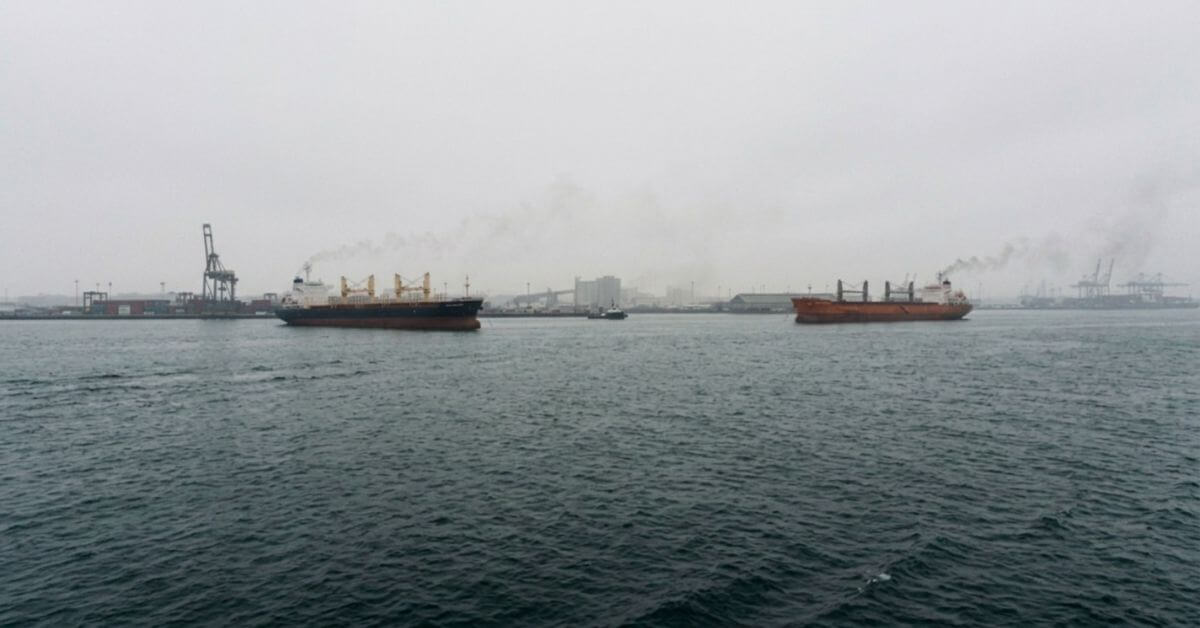
The grain corridor is not broken; it is being deliberately dismantled. The strikes on the *Gladiator* and *Virtuous Striker* near Odesa are not a tactical disruption but a strategic message: no vessel is safe, and no cargo is civilian. For our readers, researchers, traders, and policymakers tracking Black Sea shipping risks threaten global ocean intelligence and developing nations, this is a calibrated escalation that will be measured in real-time through insurance premiums and route data. The practical consequence is immediate: the empirical evidence of 100,000 tonnes of grain being hit while transiting Ukraine's self-declared maritime corridor validates the market's retreat. Shipowners were already staying away; now they have a peer-reviewed reason to stay away permanently.
This is not a new pattern. As our coverage of ocean intelligence confirms zero trade growth as chokepoint disruptions reshape global routes has shown, the cumulative effect of these chokepoint attacks is measurable stagnation. Ukraine's seaborne grain exports have already fallen by roughly one-third in the current season compared to the same period last year, from 11.5 million tonnes to 7.6 million tonnes. The *Gladiator* and *Virtuous Striker* were among the first large vessels to test the corridor since that decline. Their targeting will accelerate the shift toward more expensive, lower-volume Danube River and rail routes, which cannot replace the integrated data ecosystem of bulk shipping from Odesa, Chornomorsk, and Pivdennyi. The ocean intelligence challenge here is not just about tracking the ships; it is about understanding that the corridor itself has become a climate indicator for global food security.
Russia's claim that it struck a vessel carrying military equipment is a predictable justification, but the empirical record of attacks on grain terminals and merchant vessels since late July tells a different story. The Odesa hub handled roughly 90% of Ukraine's farm and metal exports before these escalations. That figure is no longer valid. What we are watching is the recalibration of a critical trade artery into a high-risk zone, with measurable consequences for developing nations that depend on Ukrainian wheat. The *Virtuous Striker* was bound for Egypt; the *Gladiator* for Turkey. Those are not abstract destinations, they represent real supply chains that are now being severed by strikes that leave hulls holed above the waterline and superstructures burning.
The concrete point to watch is the insurance market. Traders already report rising war-risk premiums and reduced cargo offers from Odesa ports. If insurers begin to exclude the entire Black Sea grain corridor from standard policies, a rational response to these strikes, then the corridor becomes functionally closed regardless of Ukrainian declarations. The question is not whether Ukraine will keep the ports open, but whether the ocean intelligence that underwrites global shipping will deem them uninsurable. That is the metric that will determine whether the *Gladiator* and *Virtuous Striker* are remembered as a warning or as the last grain ships to sail from Odesa.