grain ships
World Data Ocean keeps grain ships in one place: 3 stories so far. The section currently leads with “Grain shipping resumes from Russian Black Sea ports for first time since July”, “Sea of Azov: Armed Grain Ships Raise Export and Security Concerns.”, and “Sea of Azov Sees Escalation: Drone Attacks Target Russian Naval Assets”. Grain shipping has resumed from the Russian Black Sea ports of Temryuk and Kavkaz for the first time since July, with permission to depart granted on October 26. A Global Hub for Ocean Intelligence 4 World Data Ocean is a centralized digital platform where researchers, scientists, and ocean enthusiasts converge to… The list below is every grain ships story on World Data Ocean, newest first.
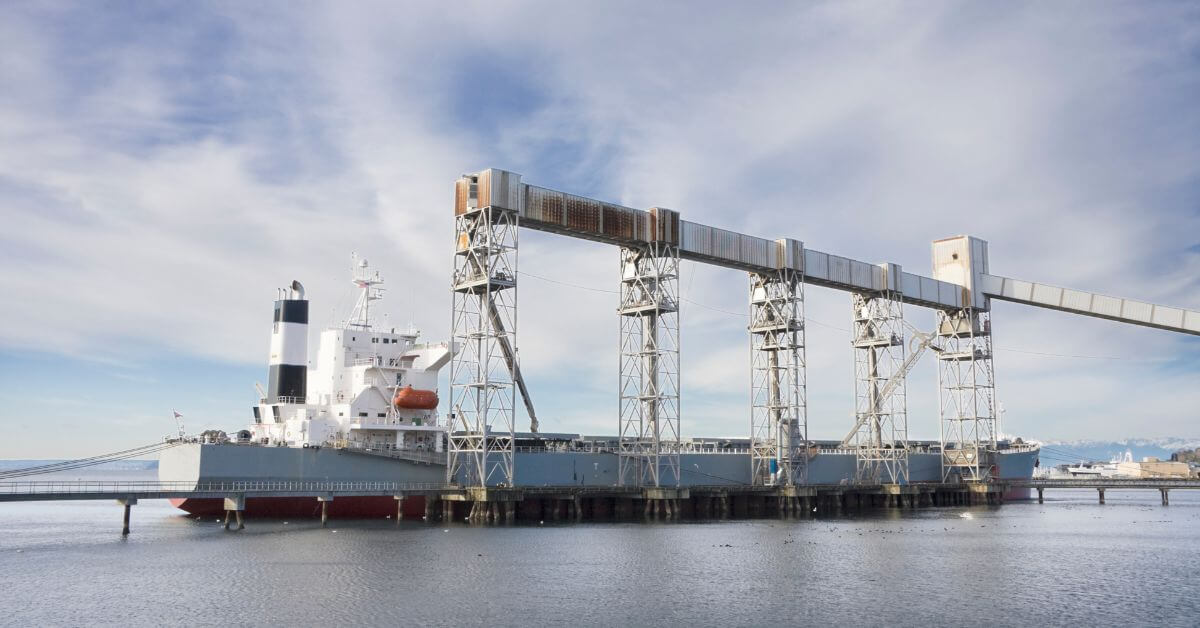
Grain shipping resumes from Russian Black Sea ports for first time since July
Grain shipping has resumed from the Russian Black Sea ports of Temryuk and Kavkaz for the first time since July, with permission to depart granted on October 26. This measured reopening offers a calibrated signal for global food security and maritime logistics. For deeper context on shifting trade routes, see our coverage of measured transit through the Northern Sea Route projected to exceed 7 million tonnes. Understanding these integrated flows is essential for tracking climate indicators and ocean intelligence.

Sea of Azov: Armed Grain Ships Raise Export and Security Concerns.
The Sea of Azov now anchors a fraught equation: roughly one-quarter of Russia's grain exports move through its waters, and armed ships have turned that volume into a security flashpoint. When the world's largest wheat exporter militarizes a vital corridor, the stakes extend beyond cargo manifests. This is not abstract geopolitics; it is measurable pressure on global food flows. For deeper context on how Russia is recalibrating its maritime strategy elsewhere, our related piece on Arctic icebreaker funding offers a useful counterpoint.

Sea of Azov Sees Escalation: Drone Attacks Target Russian Naval Assets
The overnight strike on the Sea of Azov marks a pointed escalation, with Ukraine's drone forces commander Robert Brovdi reporting hits on 11 Russian vessels. This is calibrated, measurable pressure on naval assets that have long anchored Moscow's maritime posture. We view this as a deliberate step in a broader campaign, one that demands attention for its precision and its implications.