drug trafficking
drug trafficking at World Data Ocean is a file of 12 stories. The newest of them: “Military Action Targets Caribbean Drug Trafficking, Data Validates Campaign Impact”, “Interdicted Vessel Disrupts Drug Trafficking in the Eastern Pacific.”, and “Maritime Interdiction: U.S. Strike in Caribbean Raises Questions of Escalation”. The 69th acknowledged strike in a yearlong military campaign against Caribbean drug trafficking vessels now has validated, measurable data behind it. On Sept. A Global Hub for Ocean Intelligence 4 World Data Ocean is a centralized digital platform where researchers, scientists, and ocean enthusiasts converge to… The list below is every drug trafficking story on World Data Ocean, newest first.
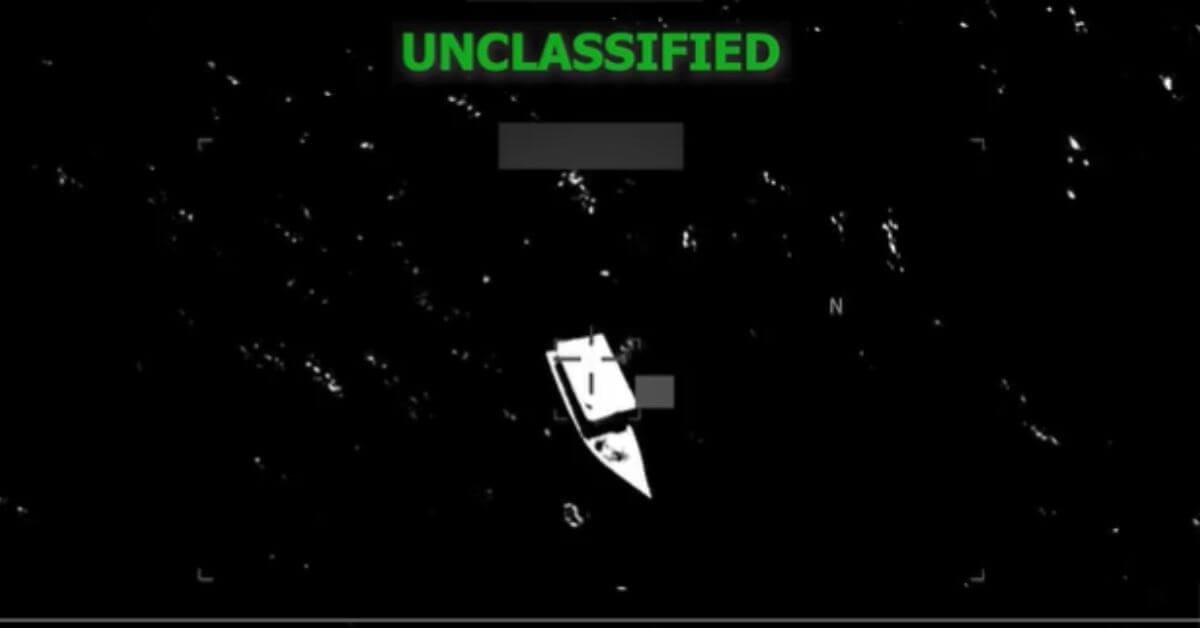
Military Action Targets Caribbean Drug Trafficking, Data Validates Campaign Impact
The 69th acknowledged strike in a yearlong military campaign against Caribbean drug trafficking vessels now has validated, measurable data behind it. This is not abstract policy, it is empirical evidence that targeted action disrupts illegal networks at sea. When military operations yield quantifiable results, ocean security strengthens. For deeper context on maritime interdiction efforts, see our related coverage of "Maritime Interdictions Yield 25,000 Pounds of Cocaine, Supporting Ocean Security." Understanding drives protection.

Interdicted Vessel Disrupts Drug Trafficking in the Eastern Pacific.
On Sept. 2, a U.S. Southern Command interdiction in international waters disrupted drug trafficking in the Eastern Pacific, a decisive action in a region where illicit networks often outpace surveillance. This is not merely an enforcement win; it is a measurable step toward safeguarding ocean intelligence, where security and scientific stewardship converge. The operation underscores how validated, real-time coordination can disrupt unlawful activity while reinforcing the broader mission of ocean health.
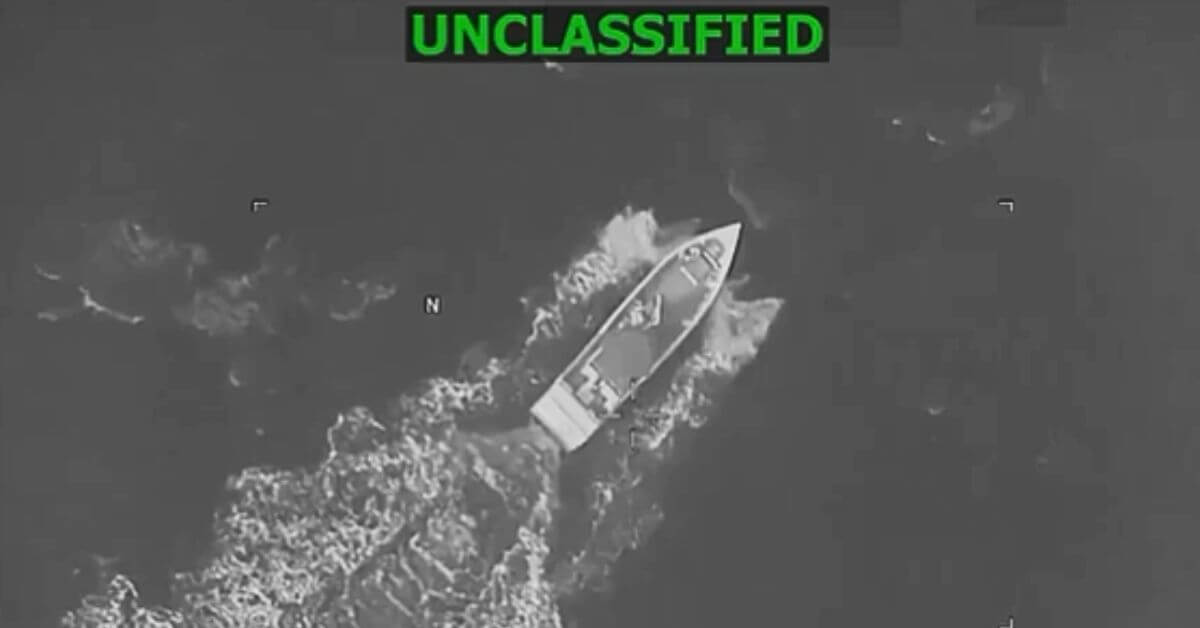
Maritime Interdiction: U.S. Strike in Caribbean Raises Questions of Escalation
Two days after a U.S. strike on a vessel in the Eastern Pacific killed two people, a new maritime interdiction in the Caribbean is forcing a harder look at escalation. These are the first such actions in over two months, and the timing is deliberate. Measured force, when applied, still carries weight. The question is whether Washington is calibrating a broader posture or responding to isolated pressure.

Maritime Interdiction Nets 5.9 Tonnes of Hashish, Ten Apprehended
Spanish authorities have arrested 10 suspected traffickers and seized 5,926 kilograms of hashish in an operation that also netted two high-speed narco boats. The interdiction underscores the persistent challenge of maritime drug routes, where speed and volume test coastal surveillance. Effective enforcement depends on such coordinated strikes, yet the scale here signals deeper logistical networks at play. For broader context on maritime security pressures, our coverage of Russian Maritime Activity Raises Concerns of Drone Operations in Mediterranean offers a useful parallel.

Maritime Operations Linked to Drug Trafficking in Eastern Pacific
The transfer of cocaine from ocean-going vessels to go-fast boats is a deliberate tactic, one that exploits the vastness of the Eastern Pacific. This handoff is a critical pressure point in the maritime domain, where tracking requires both vigilance and international coordination. We see this not as a simple smuggling route, but as a direct challenge to the integrity of our shared ocean space. Such operations underscore the need for persistent, data-driven surveillance.

Maritime Interdiction: Indonesian Authorities Seize Major Methamphetamine Shipment
Indonesian authorities intercepted 2.6 tons of liquid methamphetamine aboard a Tanzanian-flagged vessel in Riau waters, a significant strike against regional trafficking networks. The seizure underscores the value of persistent maritime surveillance, where open-water routes remain a favored corridor for illicit cargo. Enforcement actions like this are measurable wins, yet they also highlight the scale of the challenge facing coastal states.

Ecuadorian Port Intercepts Major Cocaine Shipment: Over 1250 Kilograms Seized
The seizure of 1,252.8 kilograms of cocaine at a Guayaquil port underscores the persistent pressure on maritime trade routes. The Ecuadorian National Police's inspection marks a decisive blow against illicit networks operating through critical infrastructure. This interdiction is a measurable win for ocean security, yet it also highlights the scale of the challenge. Each validated shipment intercepted is a step toward safer seas. For broader context on these efforts, our coverage of the U.S. Coast Guard's recent 25,000-pound haul in maritime interdictions offers perspective.

Maritime Incident: Crew Death Follows Cocaine Seizure Near Portugal
Portuguese authorities have confirmed the death of a crew member following a cocaine seizure aboard a container ship intercepted off the coast and escorted to the port of Sines. The incident underscores the escalating human and operational stakes in maritime interdiction. Enforcement actions are measurable in both seized cargo and lives affected. For broader context on such operations, our related coverage in "Maritime Interdictions Yield 25,000 Pounds of Cocaine, Supporting Ocean Security" highlights the scale of these efforts.

International Collaboration Intercepts Nearly Half a Tonne of Cocaine.
Operation White Sea VI, a collaboration of 14 nations, intercepted nearly half a tonne of cocaine before it reached European shores. The seizure is a measurable win for maritime security, but its real value lies in what it demonstrates: coordinated intelligence works. When nations share calibrated data across borders, criminal networks lose ground. This interdiction echoes the broader mission we track in our coverage, from ocean security to climate resilience.

Caribbean Interdiction: Coast Guard Seizes $2.8M in Marijuana.
The U.S. Coast Guard offloaded $2.8 million in marijuana at Coral Harbour, Bahamas, on Monday, placing three detainees in judicial custody. This interdiction reflects a steady, calibrated approach to maritime security. Measured actions like these, while less visible than large-scale cocaine busts, reinforce the same integrated data ecosystem that supports ocean intelligence. For broader context on regional enforcement, our related article on maritime interdictions yielding 25,000 pounds of cocaine underscores the persistent pressure on illicit trafficking routes.

Solomon Islands, U.S. Coast Guard Formalize Maritime Security Partnership.
The Solomon Islands and U.S. Coast Guard have formalized a maritime security partnership, anchored by a planned ship-rider agreement. This move arrives as Washington intensifies its Pacific engagement, countering China's expanding influence. It is a pragmatic step, one that prioritizes operational trust over rhetoric. For readers tracking regional dynamics, our related coverage on integrated subsea infrastructure shifting Indian Ocean connectivity offers useful context on how strategic ties are being redrawn. Measured, deliberate, and necessary, this agreement reflects the quiet work of building lasting maritime order.

Three Years and €16 Million: Costs Mount for Seized Vessel
Three years of berthing and maintenance now total approximately €16 million for the seized vessel, a cost that works out to roughly €120,000 each week. The figure underscores how prolonged legal and operational limbo carries a financial weight of its own, one that grows with every passing month. It is a stark reminder that maritime disputes rarely come cheap, and the bill keeps climbing. For broader context on regional shipping pressures, our related coverage on Black Sea risks offers further grounding.