‘Forever chemicals’ could be aging dolphins beyond their years
Our take
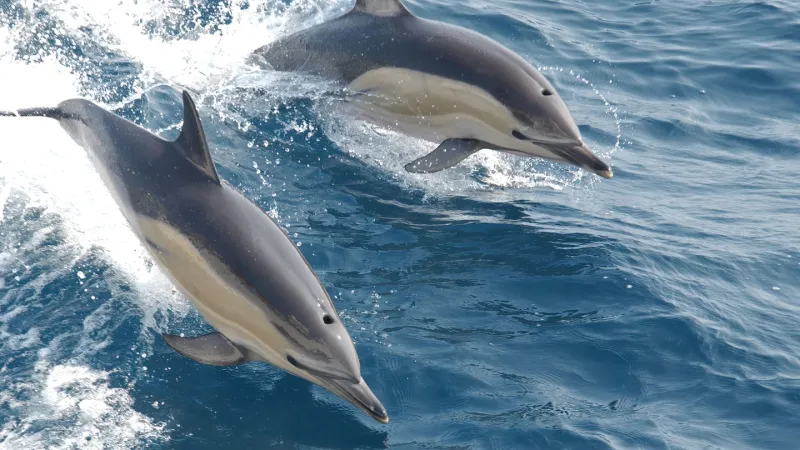
The recent findings concerning accelerated aging in New Zealand common dolphins, attributed to exposure to trace metals and “forever chemicals,” underscore a deeply troubling trend: the insidious impact of anthropogenic pollution on marine ecosystems. The research, suggesting these dolphins are biologically older than their chronological age, is not merely an isolated case study; it represents a potential harbinger of widespread health consequences across marine mammal populations globally. This situation demands immediate and rigorous investigation, especially given the complexity of assessing long-term impacts of persistent pollutants. The implications extend beyond individual animal welfare, influencing population dynamics and the overall stability of marine food webs. It’s critical to contextualize this discovery within the broader understanding of ocean health, and research like Spatial and seasonal patterns of taxonomic, functional, and phylogenetic diversity of fish assemblages in island waters of Zhejiang, China: associations with environmental, climatic, and socioeconomic factors highlights how shifts in fish communities—a crucial link in the food chain—can be intricately tied to environmental stressors, potentially compounding these challenges for apex predators like dolphins. Furthermore, the dedication of students like the one detailed in Marine science Indonesia to understanding marine environments indicates a growing awareness and commitment to addressing these issues, but also underscores the urgency of providing them with the resources and data needed to make meaningful progress. The presence of per- and polyfluoroalkyl substances (PFAS), commonly known as “forever chemicals,” in marine environments is a globally recognized problem. These compounds, used in a vast array of consumer products and industrial processes, are notoriously persistent and bioaccumulative, meaning they resist degradation and concentrate in living tissues as they move up the food chain. The observed biological aging in dolphins likely reflects the cumulative effects of these chemicals, potentially disrupting endocrine function, immune response, and cellular processes involved in aging. While trace metals are also implicated, the insidious nature of PFAS presents a unique challenge. Traditional remediation strategies often prove inadequate for these compounds, necessitating innovative approaches focused on preventing further release and exploring potential removal technologies. The study’s findings serve as a powerful, albeit sobering, reminder of the far-reaching consequences of our reliance on persistent chemicals and the urgent need for stricter regulations and sustainable alternatives. The fact that a student pursuing oceanography faces parental disapproval, as detailed in My mom doesn’t like my degree?, further illustrates the societal disconnect between recognizing the importance of marine science and adequately supporting those who dedicate their lives to it. The significance of this research extends beyond the immediate concern for dolphin populations. It provides a crucial window into the broader health of marine ecosystems and the potential bioaccumulation of pollutants in higher trophic levels, including humans who consume seafood. Biological aging, as measured through epigenetic markers and other physiological indicators, offers a more sensitive and nuanced assessment of environmental impact than traditional methods that rely solely on mortality rates or disease prevalence. This approach holds promise for identifying early warning signs of ecosystem stress and informing targeted conservation efforts. Moreover, the study reinforces the need for integrated data ecosystems—a concept central to World Data Ocean’s mission—to effectively monitor and respond to emerging threats. Combining data from various sources, including satellite observations, oceanographic surveys, and wildlife health assessments, enables a more holistic understanding of the complex interactions that shape marine environments. The ability to analyze longitudinal data, tracking changes in pollutant levels and biological responses over time, is particularly valuable for assessing the long-term effectiveness of mitigation strategies. Looking ahead, a critical question arises: Are similar patterns of accelerated aging occurring in other marine mammal populations, and if so, to what extent are they attributable to PFAS and other persistent pollutants? The development of standardized biomarkers of biological aging across different species would facilitate comparative studies and enable a more comprehensive assessment of the global impact of chemical pollution on marine life. Further research is needed to elucidate the specific mechanisms by which these chemicals disrupt aging processes and to identify potential interventions that could mitigate their effects. Ultimately, safeguarding the health of our oceans requires a concerted global effort grounded in scientific rigor, technological innovation, and a shared commitment to ocean stewardship.
Read on the original site
Open the publisher's page for the full experience