trace metals
2 stories filed under trace metals on World Data Ocean. The newest of them: “Metal Bioaccumulation Patterns Revealed in Gulf of California Fish” and “New Zealand Dolphins Show Accelerated Aging Linked to Environmental Contaminants”. Arsenic dominated metal accumulation in Gulf of California fish, yet its toxicity is likely dampened by the prevalence of organic forms. New Zealand's common dolphins are aging faster than their years, and the evidence points to a toxic burden we can no longer ignore. A Global Hub for Ocean Intelligence 4 World Data Ocean is a centralized digital platform where researchers, scientists, and ocean enthusiasts converge to… The list below is every trace metals story on World Data Ocean, newest first.

Metal Bioaccumulation Patterns Revealed in Gulf of California Fish
Arsenic dominated metal accumulation in Gulf of California fish, yet its toxicity is likely dampened by the prevalence of organic forms. The study, covering species from distinct feeding guilds near La Paz and Santa Rosalía, links variability to diet and metabolic capacity. Essential metals like cobalt and manganese stayed near natural ranges, though seasonal runoff drove manganese peaks at Santa Rosalía. Selenium's high bioaccumulation signals potential trophic transfer. Location and species both shaped patterns, with historical mining influencing pollution indices.
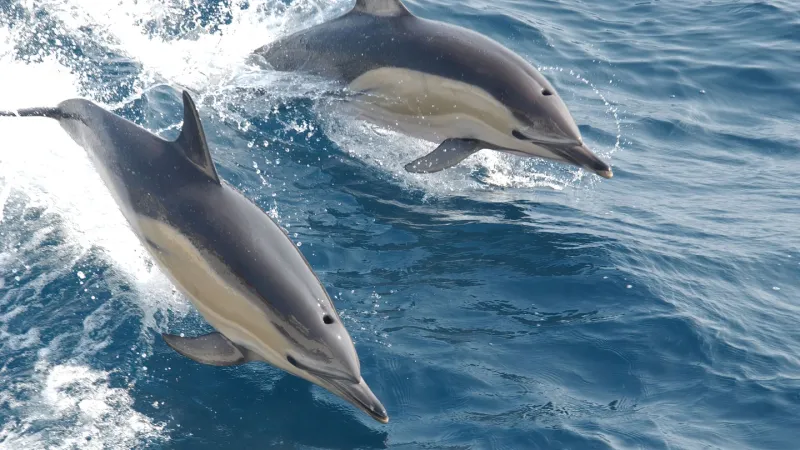
New Zealand Dolphins Show Accelerated Aging Linked to Environmental Contaminants
New Zealand's common dolphins are aging faster than their years, and the evidence points to a toxic burden we can no longer ignore. Trace metals and per- and polyfluoroalkyl substances, the so-called forever chemicals, are likely accelerating biological aging in these animals. This is more than a striking data point; it is a measurable indicator of ocean health that demands our attention.