PFAS
World Data Ocean keeps PFAS in one place: 2 stories so far. The section currently leads with “Billions of pounds of waste enter our ocean each year: measured and mapped” and “New Zealand Dolphins Show Accelerated Aging Linked to Environmental Contaminants”. Billions of pounds of waste enter our ocean each year, now measured and mapped with empirical precision. New Zealand's common dolphins are aging faster than their years, and the evidence points to a toxic burden we can no longer ignore. A Global Hub for Ocean Intelligence 4 World Data Ocean is a centralized digital platform where researchers, scientists, and ocean enthusiasts converge to… The list below is every PFAS story on World Data Ocean, newest first.
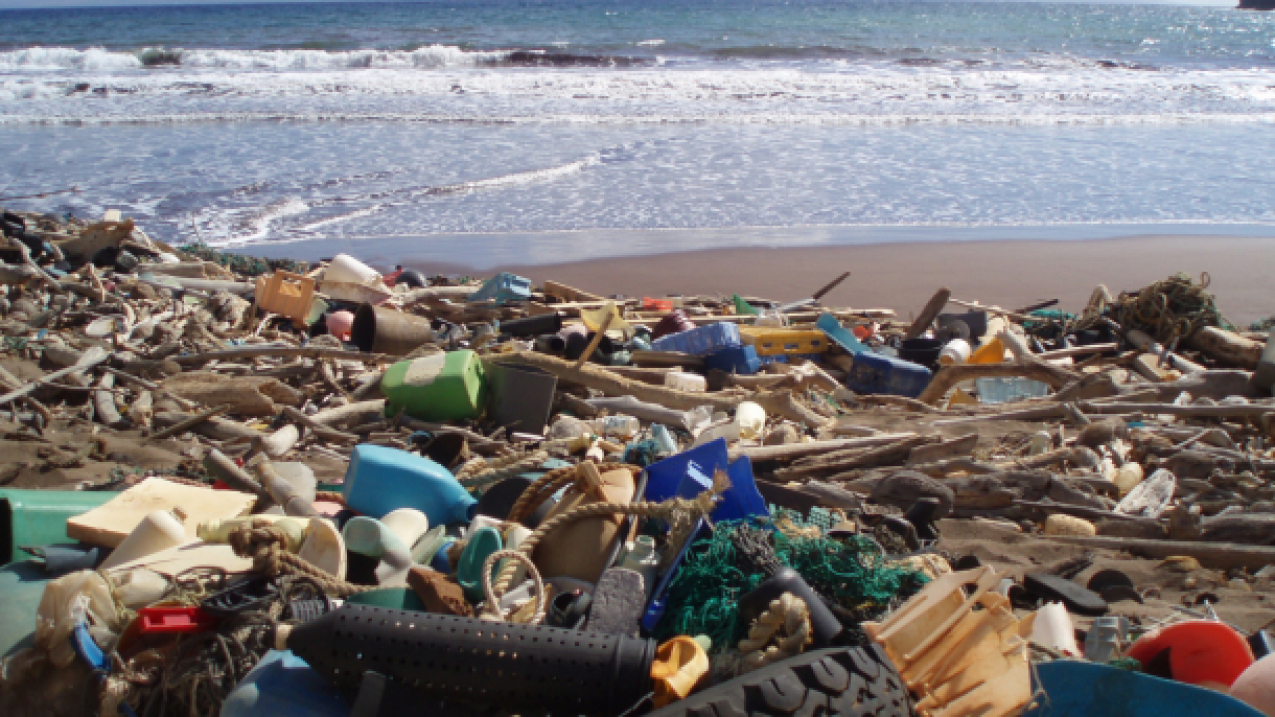
Billions of pounds of waste enter our ocean each year: measured and mapped
Billions of pounds of waste enter our ocean each year, now measured and mapped with empirical precision. This isn't abstraction; it's a validated, real-time crisis we can finally track from source to sink. Understanding drives protection, and integrated data ecosystems turn this overwhelming problem into calibrated, actionable intelligence. For deeper insight into how digital tools reshape ocean stewardship, see our coverage of how digital twins are testing new legal frameworks for data sharing.
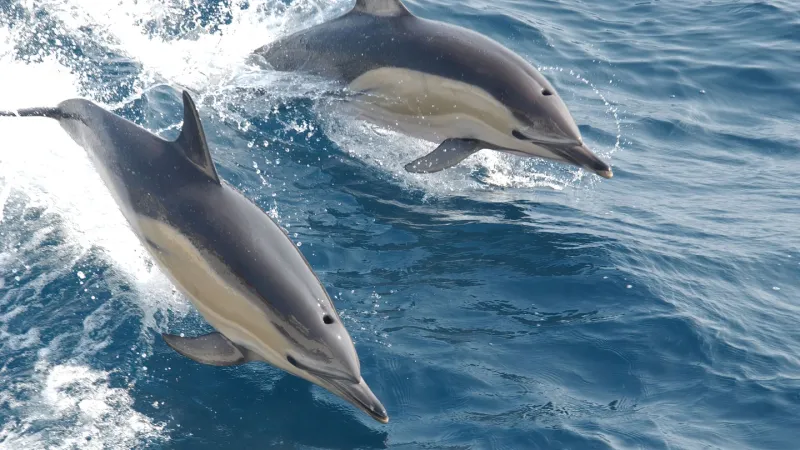
New Zealand Dolphins Show Accelerated Aging Linked to Environmental Contaminants
New Zealand's common dolphins are aging faster than their years, and the evidence points to a toxic burden we can no longer ignore. Trace metals and per- and polyfluoroalkyl substances, the so-called forever chemicals, are likely accelerating biological aging in these animals. This is more than a striking data point; it is a measurable indicator of ocean health that demands our attention.