heavy metals
heavy metals at World Data Ocean is a file of 3 stories. The newest of them: “Arctic ice cores trace Montana mining's toxic legacy in heavy metals”, “Mapping the Baseline: Seasonal Contaminant Patterns in Maowei Sea Sediments”, and “New Zealand Dolphins Show Accelerated Aging Linked to Environmental Contaminants”. Arctic ice cores have traced arsenic, lead, and other heavy metals directly to historic mining and smelting in Montana, revealing a toxic legacy that travels far beyond its source. Surface sediments in the Maowei Sea show generally low contamination levels, yet localized hotspots of petroleum hydrocarbons and lead near port and industrial zones demand ongoing vigilance. A Global Hub for Ocean Intelligence 4 World Data Ocean is a centralized digital platform where researchers, scientists, and ocean enthusiasts converge to… The list below is every heavy metals story on World Data Ocean, newest first.

Arctic ice cores trace Montana mining's toxic legacy in heavy metals
Arctic ice cores have traced arsenic, lead, and other heavy metals directly to historic mining and smelting in Montana, revealing a toxic legacy that travels far beyond its source. These pollutants do not respect borders. They persist in the environment and can harm human health, making this empirical evidence a powerful call for accountability. Understanding drives protection. For more on global environmental impacts, see our coverage of shipping emissions and their staggering economic cost.

Mapping the Baseline: Seasonal Contaminant Patterns in Maowei Sea Sediments
Surface sediments in the Maowei Sea show generally low contamination levels, yet localized hotspots of petroleum hydrocarbons and lead near port and industrial zones demand ongoing vigilance. This study establishes a pre-operation environmental baseline for the Pinglu Canal Project, measuring seven heavy metals, organic carbon, sulfides, and petroleum hydrocarbons against Chinese Marine Sediment Quality standards. The data reveals seasonal variation and confirms sediments act as long-term contaminant sinks.
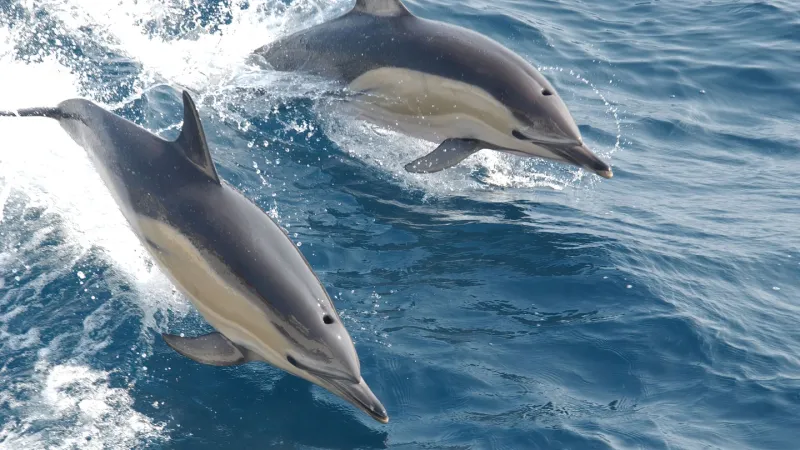
New Zealand Dolphins Show Accelerated Aging Linked to Environmental Contaminants
New Zealand's common dolphins are aging faster than their years, and the evidence points to a toxic burden we can no longer ignore. Trace metals and per- and polyfluoroalkyl substances, the so-called forever chemicals, are likely accelerating biological aging in these animals. This is more than a striking data point; it is a measurable indicator of ocean health that demands our attention.