biomarkers
2 stories filed under biomarkers on World Data Ocean. The newest of them: “Ultrasonic Exposure Impacts Key Physiological Stress Responses in Marine Invertebrates” and “New Zealand Dolphins Show Accelerated Aging Linked to Environmental Contaminants”. A 30 kHz ultrasonic tone, sustained rather than pulsed, systematically dismantles the antioxidant defenses of *Ciona intestinalis*, leaving its sensory cilia damaged and its feeding behavior in tatters. New Zealand's common dolphins are aging faster than their years, and the evidence points to a toxic burden we can no longer ignore. A Global Hub for Ocean Intelligence 4 World Data Ocean is a centralized digital platform where researchers, scientists, and ocean enthusiasts converge to… The list below is every biomarkers story on World Data Ocean, newest first.

Ultrasonic Exposure Impacts Key Physiological Stress Responses in Marine Invertebrates
A 30 kHz ultrasonic tone, sustained rather than pulsed, systematically dismantles the antioxidant defenses of *Ciona intestinalis*, leaving its sensory cilia damaged and its feeding behavior in tatters. The study's multi-biomarker approach reveals that the temporal structure of emissions, not peak intensity, dictates harm. This is a critical distinction for designing quieter, more responsible marine technologies. For context on how such stressors affect other species, our related piece on impulsive sounds in farmed seabream offers a useful comparison.
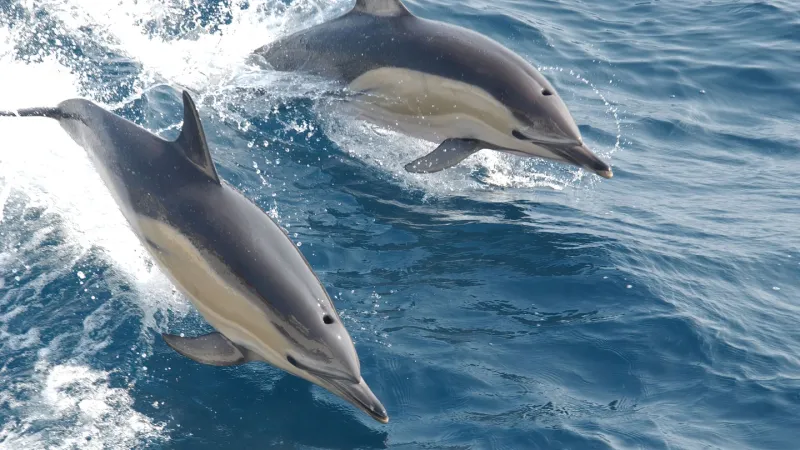
New Zealand Dolphins Show Accelerated Aging Linked to Environmental Contaminants
New Zealand's common dolphins are aging faster than their years, and the evidence points to a toxic burden we can no longer ignore. Trace metals and per- and polyfluoroalkyl substances, the so-called forever chemicals, are likely accelerating biological aging in these animals. This is more than a striking data point; it is a measurable indicator of ocean health that demands our attention.