The decision to strike a data center alongside an oil terminal and a bridge is a deliberate escalation, not a random act of war. By targeting the infrastructure of VK, Russia's largest social media platform, Ukraine has moved beyond disrupting fuel supply chains to attacking the digital fabric of Russian society. This is a calculated attempt to impose costs that are both economic and informational. For our readers, researchers, policymakers, and analysts tracking modern conflict, this signals that the battlefield now includes the integrated data ecosystems that underpin civilian life. Understanding this requires examining how such infrastructure is protected, a challenge highlighted by recent efforts in naval readiness, such as the Cleveland submarine repair hub advances fleet readiness through integrated infrastructure, where hardening supply chains against disruption is a parallel priority.
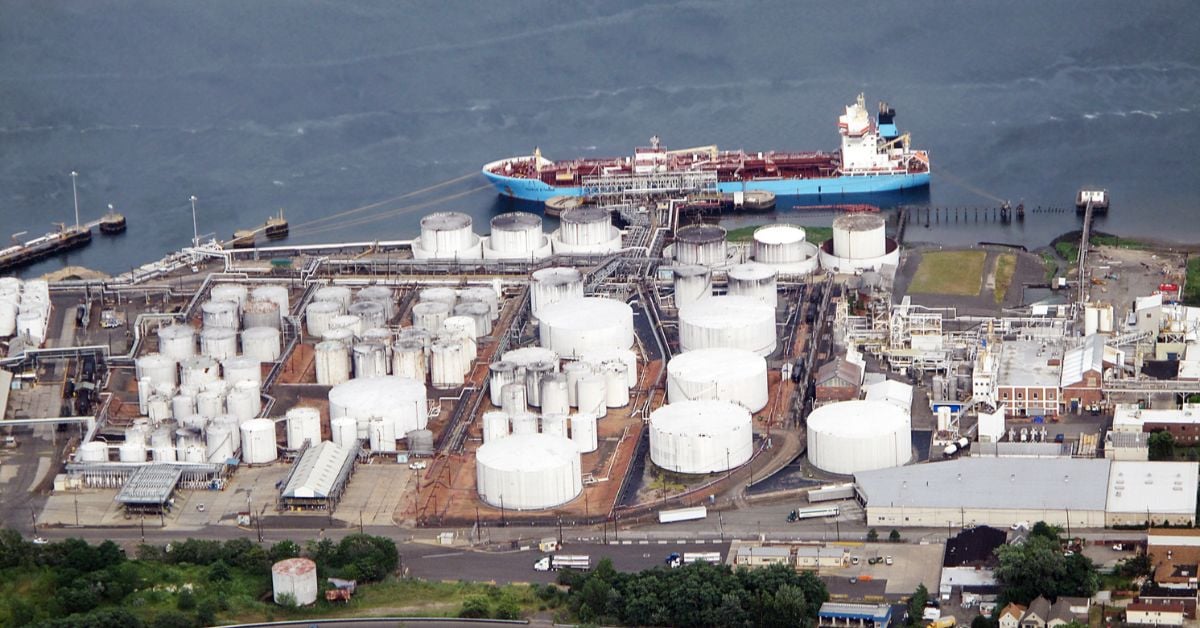
The scale of the attack is measurable. The St. Petersburg Oil Terminal, with an annual throughput of 12.5 million tons, is now burning. Drone debris damaged 12 apartment buildings and four houses, killing one person and injuring many. The power station hit led to prolonged blackouts and water shortages across the region. This is not collateral damage in the classic sense; it is a direct impact on civilian infrastructure that will be felt for weeks. The use of Fire Point's FP-1 drones confirms that this capability is now a standard part of Ukraine's operational toolkit. The parallel with recent maritime attacks is instructive: the three-drone strike sinks Maltese-flagged vessel near Bulgarian coast demonstrates that drone warfare has moved from the front lines to critical chokepoints, whether at sea or on land. The practical consequence for global supply chains is that no major port or logistics hub can assume safety.
The political context makes the timing of this strike particularly significant. U.S. President Trump's energy ceasefire deal with Russia, announced alongside a diesel export agreement ahead of mid-term elections, was meant to protect energy infrastructure. Ukraine's President Zelenskyy expressed dissatisfaction, and Trump's response, suggesting Kyiv may need a new leader, reveals a fracture in Western unity. The Kremlin's dismissive response that the attacks are "incapable of changing the course of events" rings hollow when a major fuel export facility is in flames. Our take is clear: this attack tests the viability of any ceasefire that does not include enforceable monitoring. The data center attack, in particular, raises a specific open question: how will VK and Ozen, the e-commerce firm that also reported an attack, validate their claims of operational continuity when users are reporting outages? The gap between official statements and real-time user experience is where the next narrative battle will be fought. Watch for the empirical data on service disruptions, because that will be the first calibrated indicator of whether this strike achieved its digital objective.