sea level rise
World Data Ocean keeps sea level rise in one place: 22 stories so far. The section currently leads with “New tidal dynamics model reveals hidden melt beneath Thwaites Glacier ice”, “Two weeks after launch, Sentinel-3C delivers calibrated first views of a changing ocean”, and “Measured sea level rise validated across decades of ocean data”. The boundary beneath Thwaites Glacier is not a static line on a map, it is a dynamic zone where tides push seawater kilometers inland beneath resting ice. A Global Hub for Ocean Intelligence 4 World Data Ocean is a centralized digital platform where researchers, scientists, and ocean enthusiasts converge to… The list below is every sea level rise story on World Data Ocean, newest first.
New tidal dynamics model reveals hidden melt beneath Thwaites Glacier ice
The boundary beneath Thwaites Glacier is not a static line on a map, it is a dynamic zone where tides push seawater kilometers inland beneath resting ice. A new study in *Nature Communications* incorporates these intrusions into a calibrated ice-sheet model. One conditional projection shows a sea-level contribution of roughly 3 centimeters by 2100, double previous estimates under constant forcing. That is a measured, empirical insight, not a maximum forecast.
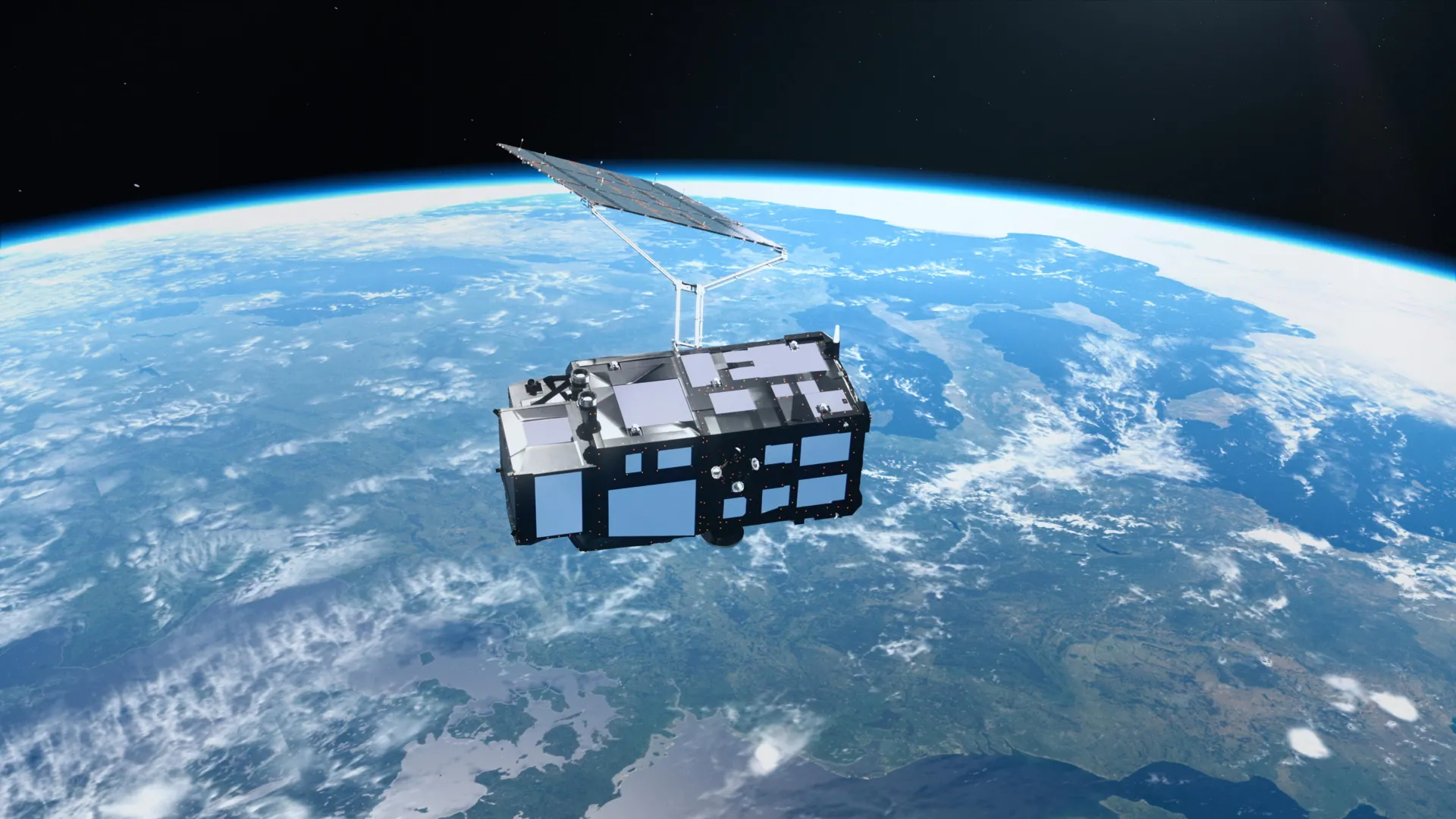
Two weeks after launch, Sentinel-3C delivers calibrated first views of a changing ocean
Two weeks after launch, Sentinel-3C has already delivered calibrated first views of a changing ocean, from the frozen Arctic to the Caribbean. These early measurements validate the satellite's capacity to track rising seas and melting ice with empirical precision. Understanding drives protection, and this instrument is now part of an integrated data ecosystem. For context on how such observations support coordinated maritime action, see our coverage of Europe's COASTEX 2026 trial.

Measured sea level rise validated across decades of ocean data
Measured sea level rise, validated across decades of ocean data, tells a clear story. Seasonal estimates from Church and White (2011) align with the University of Hawaii's Fast Delivery data, both showing change in millimeters against the 1993-2008 average. This is empirical, peer-reviewed evidence of a measurable climate signal. For deeper context, our coverage of 2025 Temperature Anomalies reveals how these climate indicators connect. Understanding drives protection.
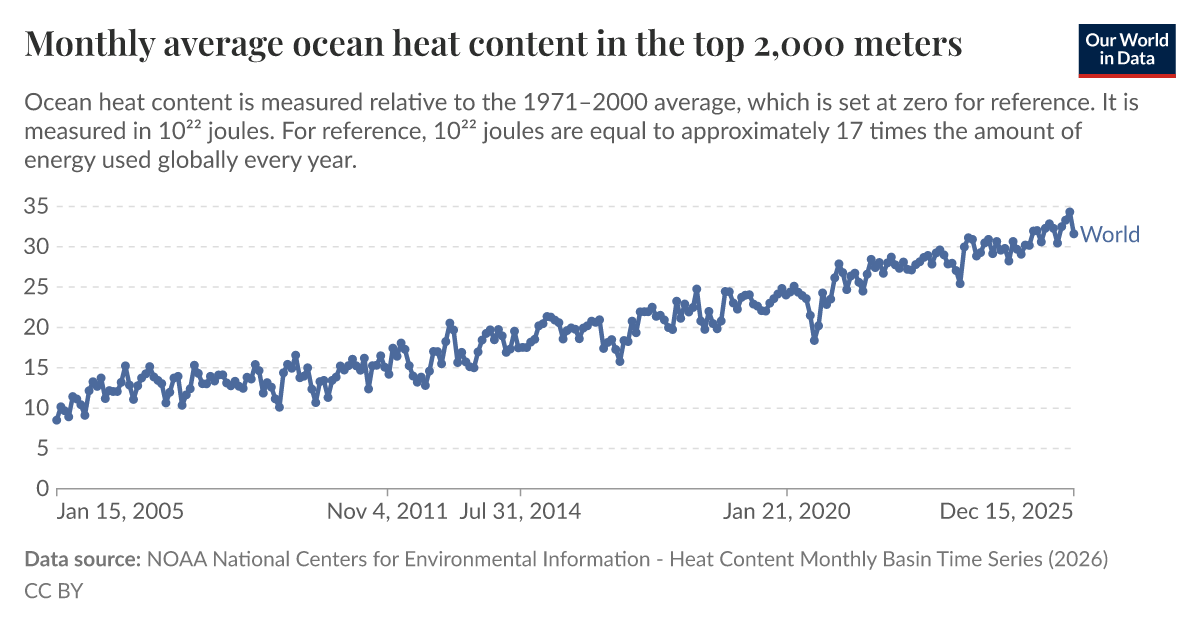
Measuring the Ocean's Warming Pulse at 2,000 Meters
Two thousand meters down, the ocean is warming measurably and without pause. Monthly average heat content in the top 2,000 meters provides one of the most empirically grounded climate indicators available, validated, peer-reviewed, and increasingly urgent. This isn't a distant signal; it is a calibrated pulse we can track in real time. Understanding drives protection. For deeper context on how global experts are building the data framework to monitor these changes, see "Global experts unite to steer Ocean Decade's data and knowledge framework."
Calibrating ocean intelligence to navigate a warming world
Calibrating ocean intelligence requires more than collecting data, it demands integration. Our warming world is outpacing fragmented observation systems. Validated, real-time measurements from orbit to ocean floor must become an integrated data ecosystem, not isolated snapshots. This is measurable, empirical work. Understanding drives protection. For deeper coverage, explore our related piece, "From orbit to ocean floor: integrated data reshapes our view of the sea," which examines how this unified approach is transforming marine science.
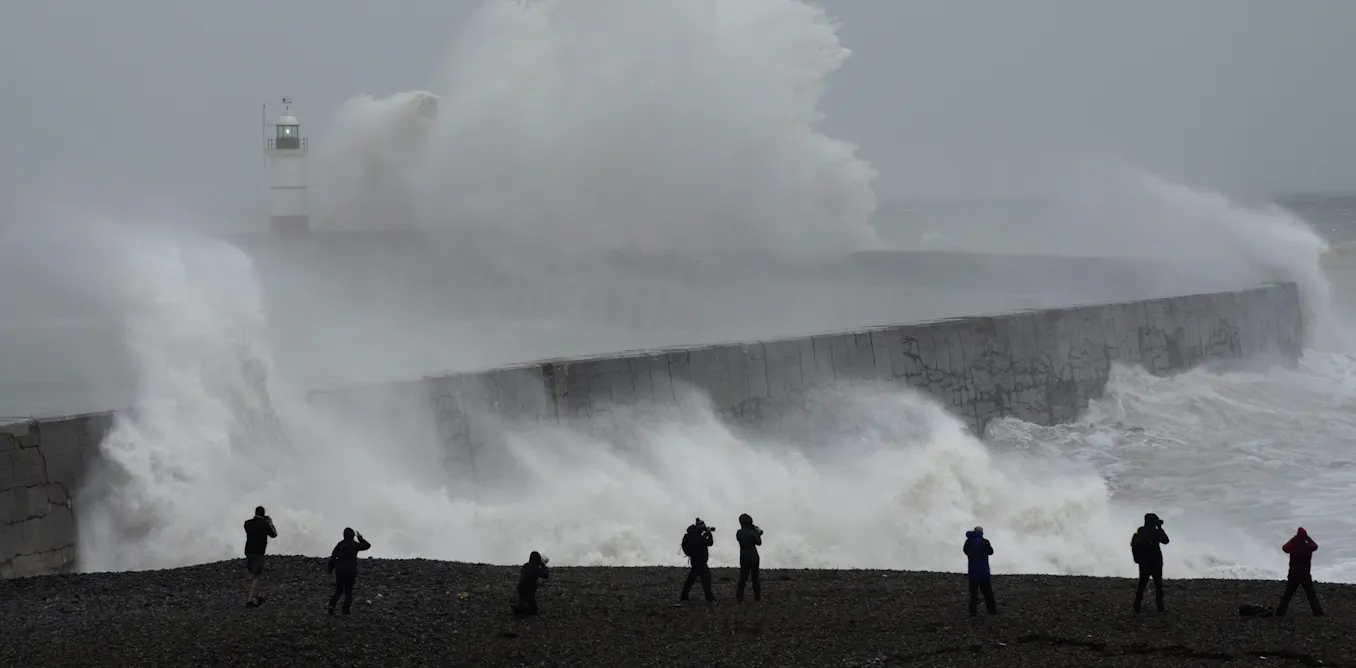
Seismic records measure a strengthening pulse beneath warming oceans
A strengthening pulse beneath warming oceans is now measurable through seismic records. These readings confirm that ocean waves are gaining force as the planet warms, a direct, empirical signal of climate change. We do not need to imagine the impact; the data speaks. This is not speculation. It is calibrated observation. For deeper context on why such monitoring matters, see our coverage of the proposed US cuts that risk losing this calibrated ocean intelligence. Understanding drives protection.
Deglaciation decoded through global benthic foraminifera isotope synthesis
Foraminifera shells, retrieved from seafloor sediments worldwide, now reveal the precise timing and pacing of the last deglaciation. This global synthesis of high-resolution stable isotope data decodes a period of profound climate transition, offering empirically validated insights into how Earth's systems respond to warming. Understanding these past shifts sharpens our view of present ocean intelligence. For deeper context on how ocean processes govern carbon movement, see our coverage of the ECCO‑Darwin model's multi‑decadal CO₂ flux estimates.
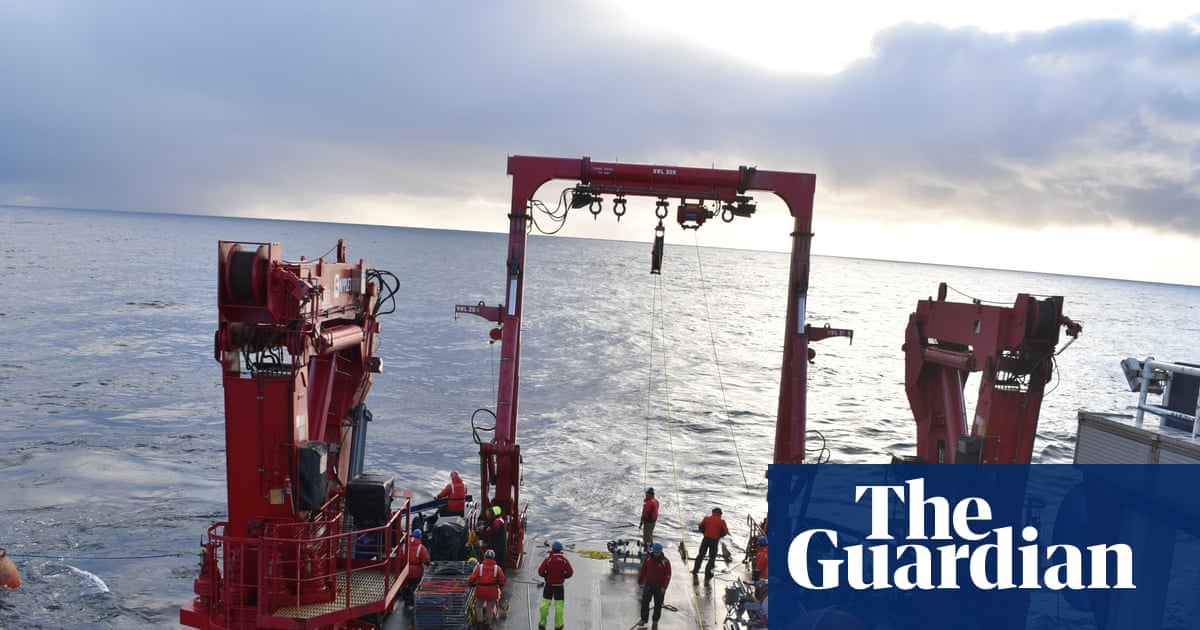
Proposed US monitoring cuts risk global loss of calibrated ocean intelligence
The Trump administration's proposal to eliminate US ocean monitoring systems would strip the world of calibrated, real-time climate intelligence. Scientists warn this leaves us flying blind on ocean warming and sea-level rise. Protecting this integrated data ecosystem is not optional, it is a matter of global scientific integrity. For context on how validated ocean data is built, see our related piece on the NCEI's *Ocean data expands from measured depths to validated insights*. Understanding drives protection; abandoning it invites risk.

Tracking Climate Signals in the Deep Ocean Heat Record
The ocean is warming, and the signal is unmistakable. Monthly average ocean heat content in the top 2,000 meters offers a clear, empirical record of how much energy our planet is absorbing. These measurements are more than data points; they are a validated climate indicator, revealing a steady, measurable trend. Understanding this record is essential, and we connect it to related research like our piece on Agulhas Leakage and intensifying compound ocean extremes, deepening the context for informed action.

Coastal recovery in New Jersey hinges on sustained, maintenance-driven protection
New Jersey's coastal recovery after Hurricane Sandy reveals a hard truth: nature-based solutions deliver measurable benefits, but they are not self-sustaining. Across beach nourishment, salt marsh restoration, and oyster reef living shorelines, ecological co-benefits advanced on their own, while physical protection demanded ongoing human intervention. This distinction matters as sea levels rise. The data is clear, durable coastal defense requires adaptive management, not one-time construction.
Storm Surge Costs in Coastal China Reveal Complex Economic Impacts
Storm surge losses in China's coastal provinces are not linear, and new panel data from 2011 to 2023 confirms it. The study finds that while hazard intensity and economic exposure drive direct damages, adaptive capacity consistently cushions the blow, yet only up to a point. Once storm intensity crosses a threshold, the amplifying effect sharpens. Notably, no single factor explains low losses; instead, distinct combinations, such as the Defense Strategy-Driven or Comprehensive Resilience-Driven pathways, emerge. This complexity matters.
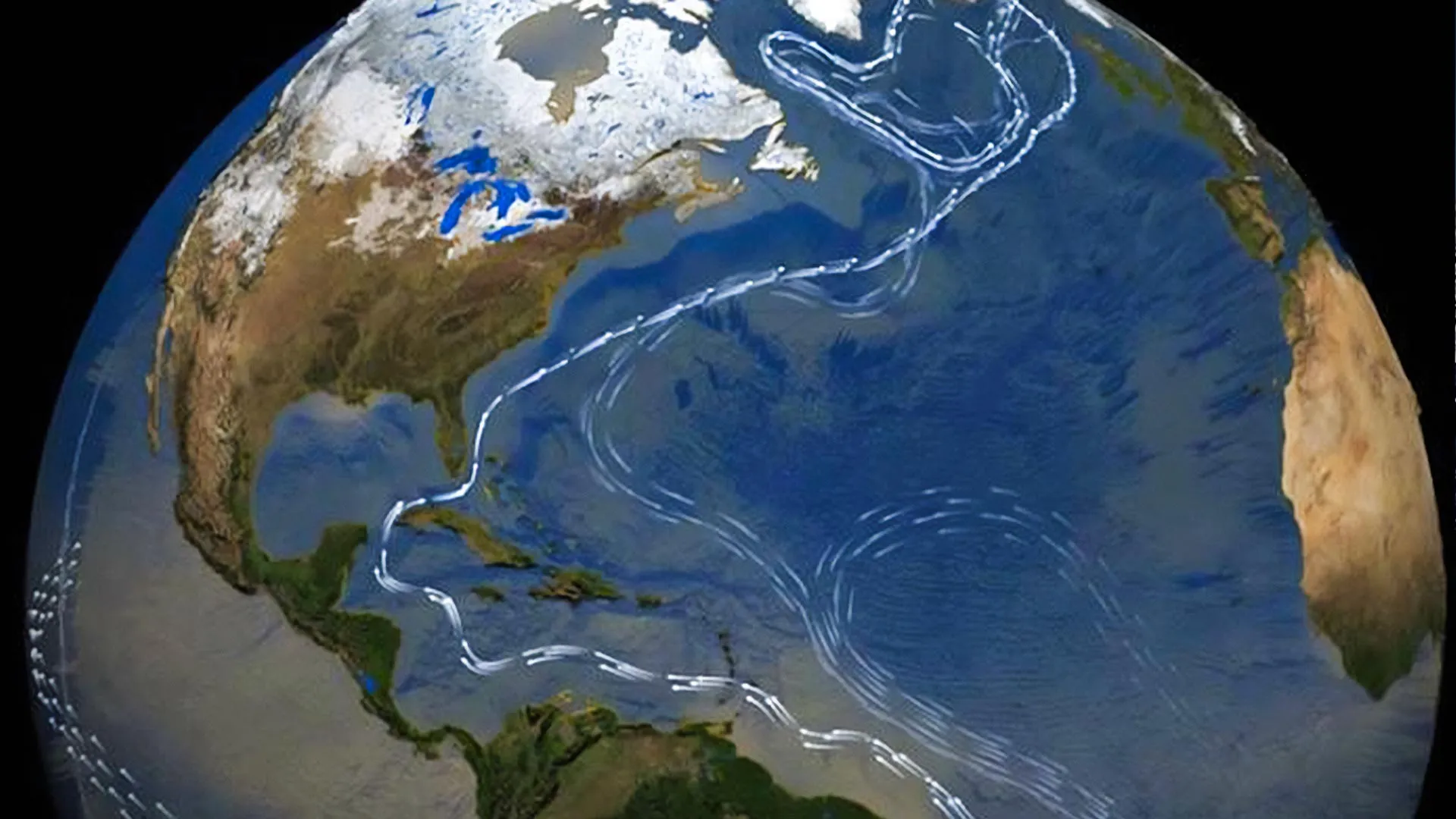
Atlantic Circulation Weakens: Global Climate Reshaping Predicted
For nearly two decades, the Atlantic Meridional Overturning Circulation has been weakening across a broad expanse of ocean, and the evidence is now firmly observational. This isn't a distant model projection; it's a measured slowdown with the potential to redraw weather patterns, storm tracks, and coastal sea levels around the basin. We treat this as a calibrated warning, not speculation. The data demands attention.
Modeling the Salinity Threshold for Atlantic Overturning Circulation
The question arrives with the weight of a thought experiment: what if we moved desalination's salty byproduct to Greenland's fjords? The scale is stark. Greenland's ice sheet already releases roughly 2.5 million litres of fresh water every second, while 22,000 plants generate up to 109 million cubic metres of brine daily. Transporting that brine is a logistical feat, yet the ocean's own mixing dwarfs our efforts. The AMOC's collapse hinges on salinity thresholds we are only beginning to map.
Tracking Wetland Change: A Satellite Framework for Coastal Resilience
The Coastal Bend of Texas has lost 193 square kilometers of wetlands since 1984, a 17% decline that accelerated sharply between 2008 and 2016. That is not a distant problem; it is a measurable transformation happening now. The study's tools, WET-MUD and WHAMS, turn satellite records into actionable intelligence, distinguishing wetland extent from wetland health with 93% overall accuracy. This framework matters because it makes long-term monitoring reproducible elsewhere, turning raw data into a practical defense for vulnerable coastlines. Understanding drives protection.
Ocean Ecosystems Face Extreme Stress: A Call for Global Action.
The ocean's living systems are under measurable, intensifying stress. This is not a distant forecast, it is an empirical reality demanding coordinated global response. Our new analysis documents the accelerating pressures on marine ecosystems, from warming waters to acidification. We believe the evidence is clear: integrated, real-time ocean intelligence is essential for informed action. For deeper context on how these forces reshape coastlines, see our related study on storm surge costs in coastal China. Understanding drives protection.
Crab Activity Impacts Sediment, Shaping Salt Marsh Resilience
Crabs are not just occupants of the salt marsh; they are architects of its edge. Our field experiment on Chongming Dongtan shows that crab herbivory suppresses creek-edge vegetation by more than half, and this loss of plant cover directly reduces sediment trapping. This top-down control is a critical, often overlooked, force in marsh resilience. Understanding this interaction is vital for predicting wetland survival against sea-level rise, a theme we also explore in our satellite framework for tracking coastal change.
Deep Ocean Warming: Longitudinal Data Reveals a Concerning Trend.
The ocean's abyss was long considered a stable, slow-motion frontier, but new longitudinal data now shows the deepest layers are warming. This is not a distant anomaly; it is a measurable shift in a system we rely on for climate stability. We find this trend deeply concerning, yet it reinforces why sustained observation matters. As we track these changes, we must connect them to broader disruptions, much like our recent analysis of Atlantic Circulation Weakens, to fully grasp the scale of what is unfolding.
Empirical Evidence: Young Scientists Document Ocean Changes, Challenge Climate Denial
Diane and Bronwyn didn't wait for a lecture to prove what they already suspected. They gathered their own observations, measured what they could, and brought the evidence to their science teacher. Their work is a reminder that empirical truth doesn't require permission. Climate denial weakens when met with calibrated, real-world data. These young women aren't just documenting change; they're modeling how inquiry can counter assumption.
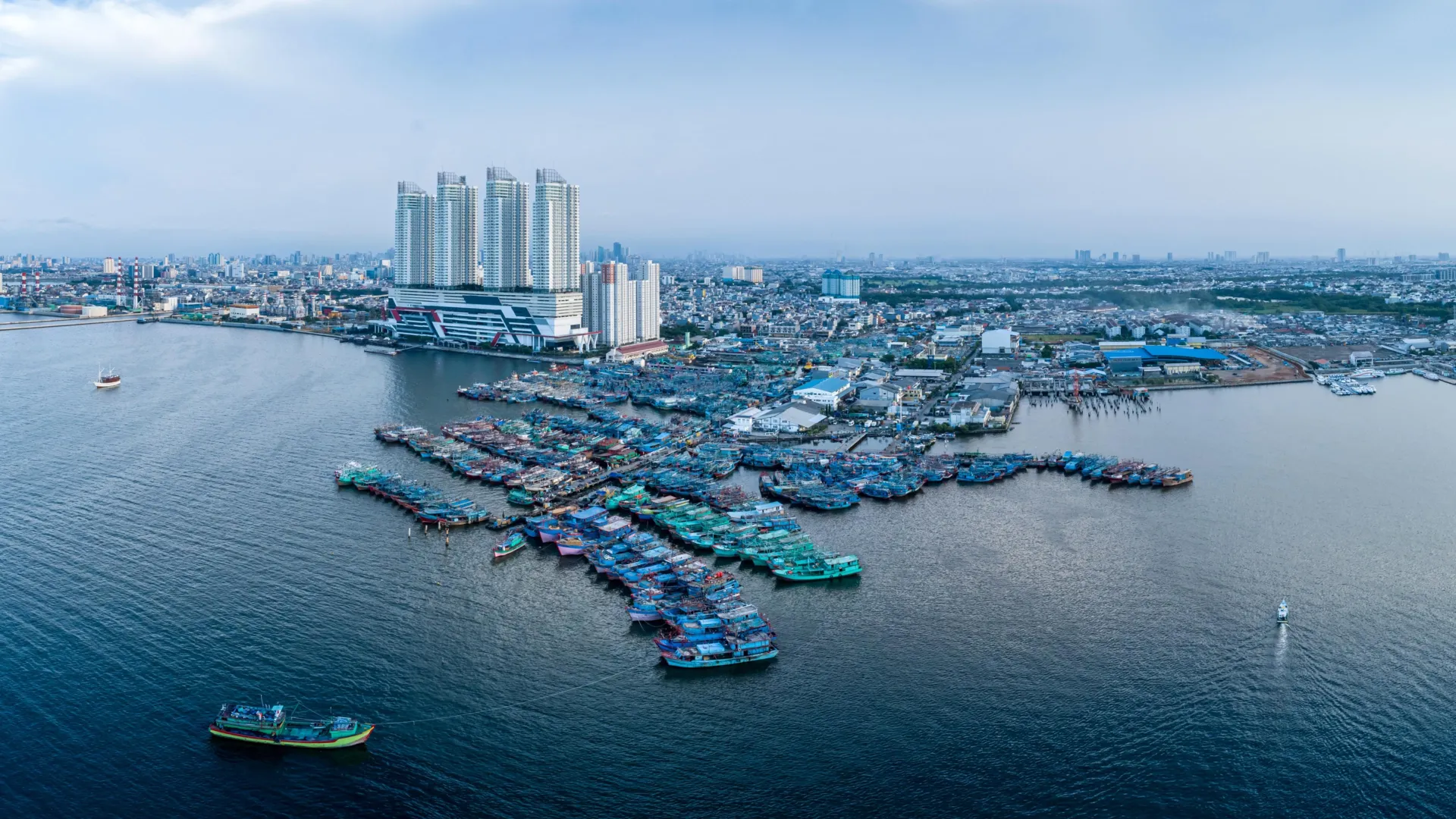
Sinking Ground Accelerates Coastal Flood Risk Worldwide
The ground beneath some of the world's most crowded coastlines is sinking at an alarming rate, amplifying sea-level rise to nearly three times the global coastal average. This hidden threat, driven by groundwater pumping and urban weight, demands urgent attention. We cannot afford to overlook the land itself when planning for climate resilience. For a deeper look at how geological forces reshape coastlines, explore our coverage of Cascadia's Subduction Zone Reveals a Fragmented Tectonic Process.
Long-Term Shoreline Shifts in Selangor Inform Coastal Adaptation Strategies
Shoreline erosion along Selangor's 250-kilometer coast is not a distant threat; it is a measured reality, with hotspots near Port Klang retreating at over 75 meters per year. This study's use of three decades of homogenized Landsat data to build a Geomorphological Stability Index offers precisely the kind of empirical groundwork needed for adaptation planning. That nearly 33% of transects already rank as severely eroding, with projections accelerating toward 2050, underscores the urgency.

Ocean Deoxygenation Accelerates, Threatening Life and Climate Stability
Oxygen is vanishing from the ocean, and from lakes, rivers, and coastal waters, at a rate that should sharpen our focus. This deoxygenation does not merely stress marine life; it erodes the natural systems that help stabilize Earth's climate. Scientists link this decline directly to warming, pollution, and ocean acidification, making it a compounding planetary threat. We treat this as a measured alarm: the evidence is empirical, and the need for integrated observation has never been clearer.
Mediterranean Sandy Shores Face Growing Climate Change Impacts
The Mediterranean's sandy shores are not static edges; they are active zones where surf, beach, and foredune function as one interconnected system. This review wisely shifts focus from single stressors to the cumulative reality of warming, acidification, and storminess. We find the evidence that seagrasses respond differently than dune plants to be a critical call for integrated research. For a broader perspective on these systemic challenges, our coverage in "Integrated Ocean Governance" complements this analysis well.