maritime administration
World Data Ocean keeps maritime administration in one place: 7 stories so far. The section currently leads with “India Approves ₹13 Crore Welfare Hub for Seafarers at Goa's Mormugao Port”, “Drone Strike Impacts LPG Tanker Near Strait of Hormuz.”, and “Shipping Lanes Under Scrutiny: Indian Crews Affected by Gulf Region Attacks”. India has approved ₹13 crore to establish a Seafarers' Welfare Centre at Mormugao Port in Goa, a decision that speaks directly to the human infrastructure behind global trade. A Liberia-flagged LPG tanker carrying nine Indian seafarers was struck by a drone while sailing eastbound outside the Strait of Hormuz. A Global Hub for Ocean Intelligence 4 World Data Ocean is a centralized digital platform where researchers, scientists, and ocean enthusiasts converge to… The list below is every maritime administration story on World Data Ocean, newest first.
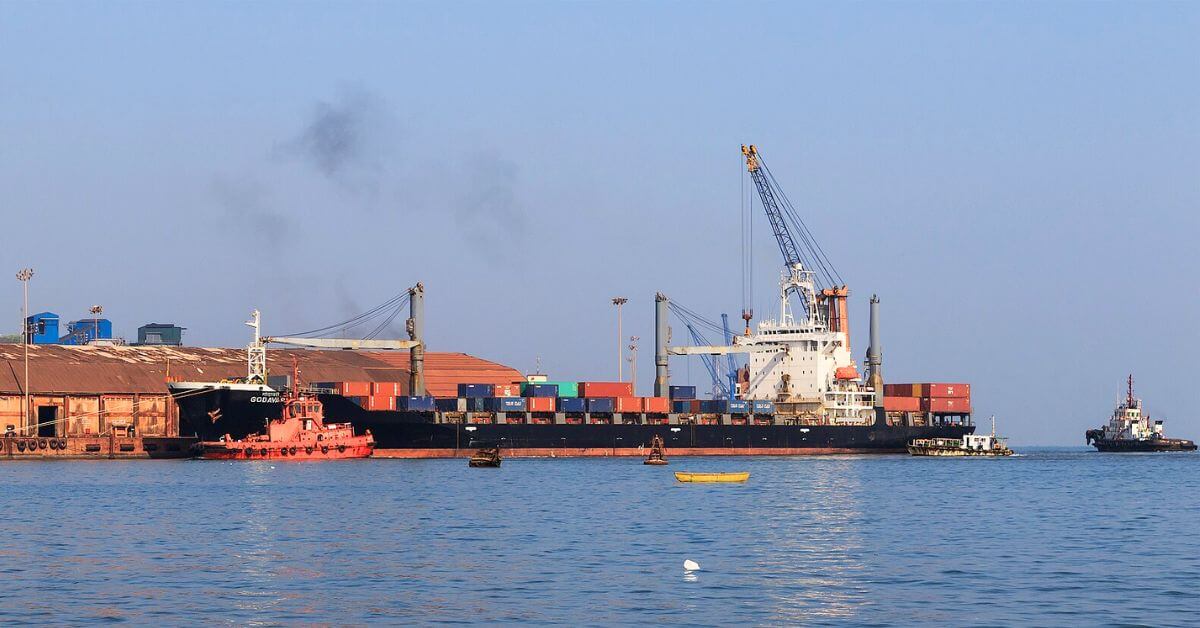
India Approves ₹13 Crore Welfare Hub for Seafarers at Goa's Mormugao Port
India has approved ₹13 crore to establish a Seafarers' Welfare Centre at Mormugao Port in Goa, a decision that speaks directly to the human infrastructure behind global trade. Seafarers often work in isolation, and this hub signals a practical commitment to their well-being. It is a measured investment, but one with tangible impact. For readers tracking India's maritime evolution, this pairs well with our recent coverage of Paradip Port's designation as a Mega Port, reinforcing a broader push toward integrated port-side support.
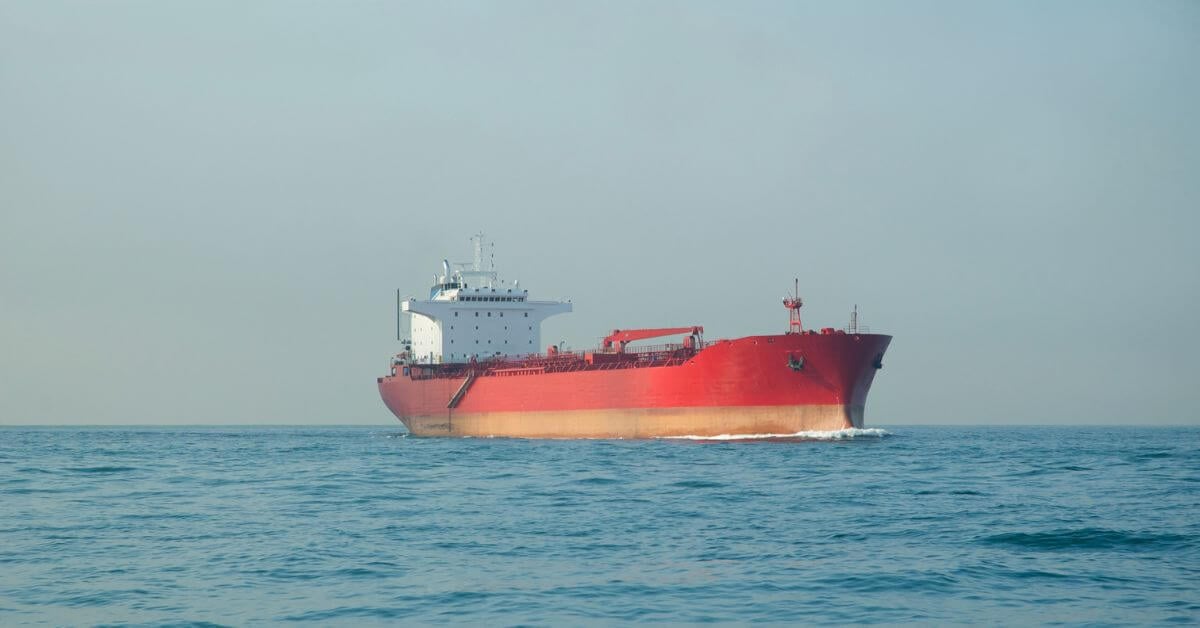
Drone Strike Impacts LPG Tanker Near Strait of Hormuz.
A Liberia-flagged LPG tanker carrying nine Indian seafarers was struck by a drone while sailing eastbound outside the Strait of Hormuz. The incident underscores how vulnerable commercial shipping remains in a waterway that carries a third of the world's liquefied gas. Precision matters here: every attack raises the cost of transit, and the ripple effects are measurable. For context on the region's mounting pressure, our related coverage in "Phased Negotiations Aim to Ease Restrictions on Strait of Hormuz" outlines the diplomatic stakes.
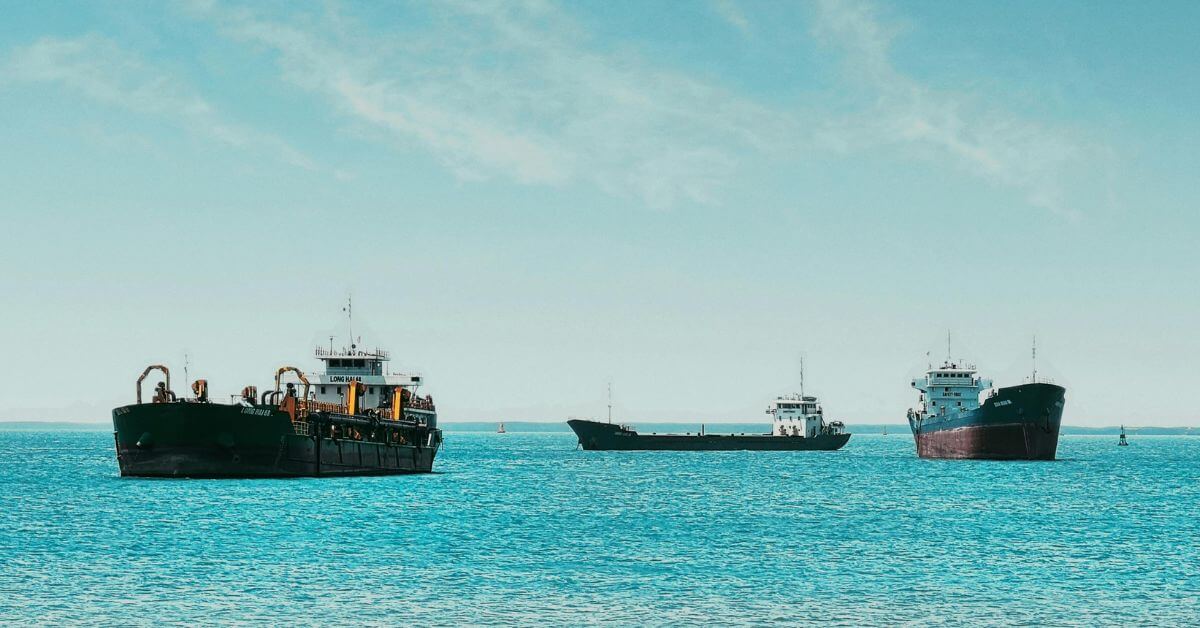
Shipping Lanes Under Scrutiny: Indian Crews Affected by Gulf Region Attacks
Three foreign-flagged vessels with Indian crew members were struck on September 8 and 9 as West Asia conflict escalates into shipping lanes. These attacks validate what we have long measured: maritime corridors are becoming direct targets. The crews are not combatants, they are professionals navigating volatile waters. Understanding drives protection, and this incident demands calibrated, empirical scrutiny. For deeper context on regional shipping pressures, our coverage of the Strait of Hormuz negotiations offers integrated analysis.

Nuclear-Powered Shipping: U.S. Advances Maritime Technology and Global Trade.
The agreement targets the practical hurdles that must be cleared before nuclear-powered merchant ships can operate commercially, a step toward measurable progress in maritime technology. This is not abstract ambition; it is about calibrating safety, regulatory, and operational standards that could reshape global trade routes. The timing aligns with rising pressure on shipping infrastructure, as seen in the Gulf of Oman STS Transfers Max Out Amid Rising Saudi Oil Exports. Validated solutions here would integrate nuclear capability with real-world logistics, advancing ocean intelligence.

Heightened Maritime Security: India Bolsters Protection for Seafarers in Gulf of Aden
Piracy incidents in the Gulf of Aden have prompted India to act, with the DGMA issuing Circular No. 40 of 2026 to bolster seafarer protection. This measured response reflects a practical understanding of the risks, prioritizing crew safety without alarmism. It is a decisive step toward safeguarding vital shipping lanes. For broader context on regional threats, readers may consult our coverage of "Puntland Forces Intercept Hijacked, US-Sanctioned Oil Tanker After 48 Hours."

Bulgaria Investigates Kairos Tanker Amidst Oil Pollution Concerns in Burgas Bay
Bulgaria's Maritime Administration has ordered investigation teams to examine the sanctioned motor tanker Kairos, following concerns over a possible oil leak in Burgas Bay. This is a measured, necessary step, one that prioritizes empirical verification over speculation. When a vessel's integrity is questioned, the response must be calibrated and transparent. The Kairos case echoes other maritime challenges we've covered, such as the bulk carrier grounding near Gladstone, and reinforces why real-time, integrated oversight matters.

Black Sea Shipping Risks: India Urges Crew to Prioritize Safety Assessments
Five Indian crew deaths since April have made one thing clear: the Black Sea's commercial routes now carry a security calculus that outweighs any wage premium. India's advisory urging seafarers to conduct rigorous risk assessments before accepting such postings is measured, practical, and overdue. Safety must anchor every employment decision in these waters. For those navigating this volatile region, preparation is protection.