drone strike
drone strike at World Data Ocean is a file of 15 stories. The newest of them: “Black Sea Tanker Fire Prompts Investigation After Romanian Drone Reports”, “Drone and fire attacks target three tankers near Strait of Hormuz”, and “Drone-Struck Abandoned Cargo Ship Drifts Through Black Sea Toward Bulgaria”. A chemical tanker anchored off Romania's coast is now the subject of an investigation after a fire broke out aboard the Yara J, 8-10 nautical miles southeast of the Sulina Canal. Three tankers near the Strait of Hormuz were struck by coordinated drone and fire attacks, one drone strike off Oman, two more in the strait, and a separate blaze aboard an oil tanker in the Arabian Gulf. A Global Hub for Ocean Intelligence 4 World Data Ocean is a centralized digital platform where researchers, scientists, and ocean enthusiasts converge to… The list below is every drone strike story on World Data Ocean, newest first.
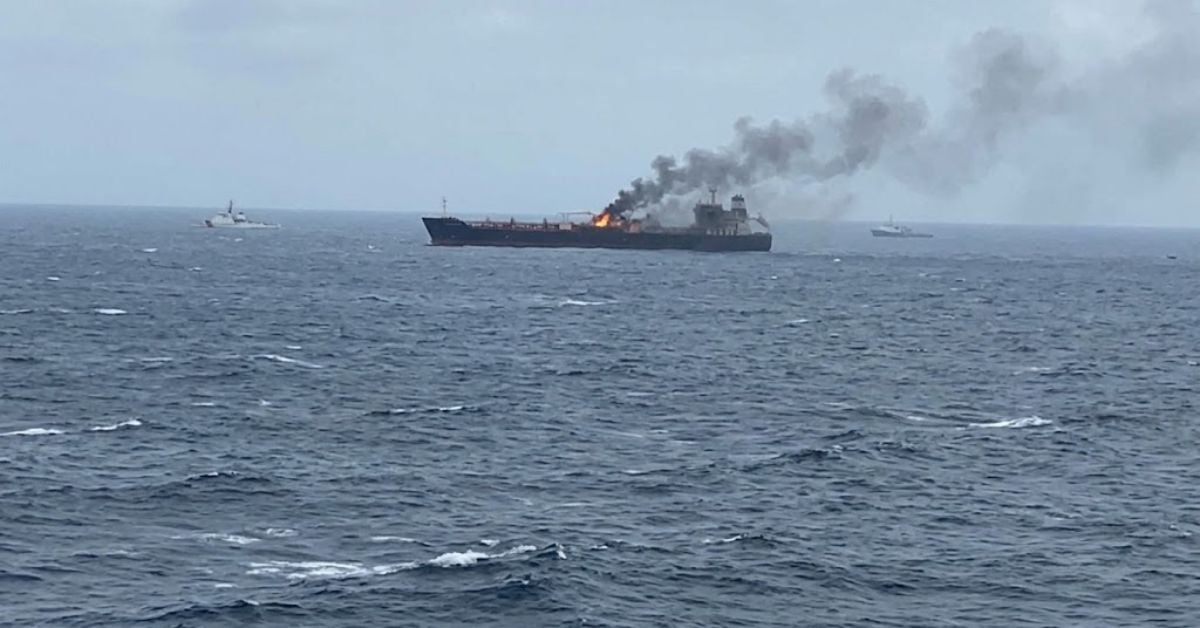
Black Sea Tanker Fire Prompts Investigation After Romanian Drone Reports
A chemical tanker anchored off Romania's coast is now the subject of an investigation after a fire broke out aboard the Yara J, 8-10 nautical miles southeast of the Sulina Canal. The Black Sea remains a theater of compounding threats, where environmental risk from aging vessels meets geopolitical instability. For readers tracking these converging maritime crises, our coverage of the *Three-drone strike sinks Maltese-flagged vessel near Bulgarian coast* documents an equally sobering intersection of commerce and conflict.
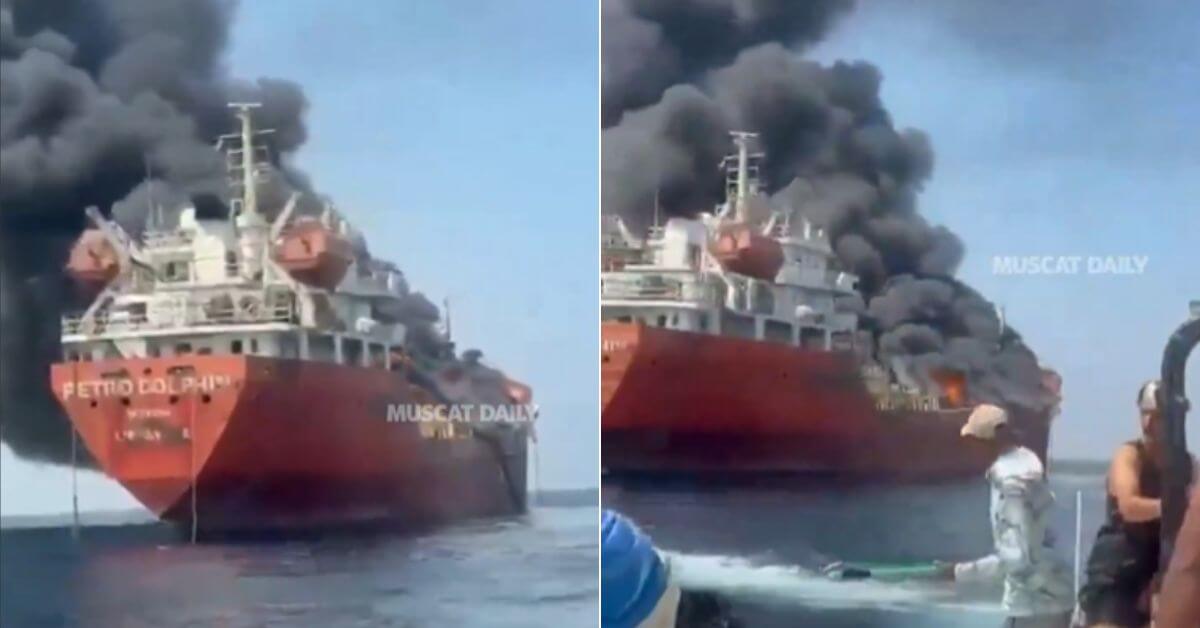
Drone and fire attacks target three tankers near Strait of Hormuz
Three tankers near the Strait of Hormuz were struck by coordinated drone and fire attacks, one drone strike off Oman, two more in the strait, and a separate blaze aboard an oil tanker in the Arabian Gulf. These incidents, in one of the world's most critical maritime chokepoints, are a measurable reminder that ocean security is inseparable from global stability. Our related coverage of stranded Iranian vessels off Sri Lanka further underscores how regional disruptions test supply chains and sanctions.
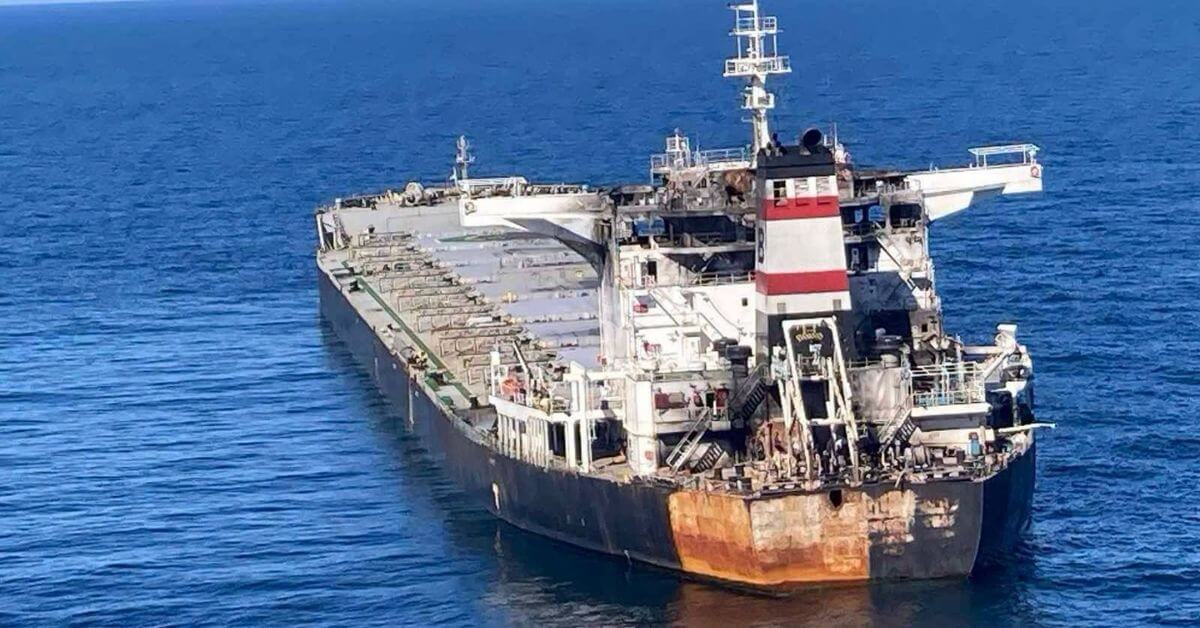
Drone-Struck Abandoned Cargo Ship Drifts Through Black Sea Toward Bulgaria
A single abandoned cargo ship, damaged by a Russian drone near Odesa in August, is now drifting through the Black Sea toward Bulgaria. The vessel's unguided path underscores how fragile maritime security remains in the region. Each drifting hull is a measurable reminder that stability here is not abstract; it is a climate and food security indicator. For deeper context on these risks, our related coverage on Black Sea stability offers a broader view.
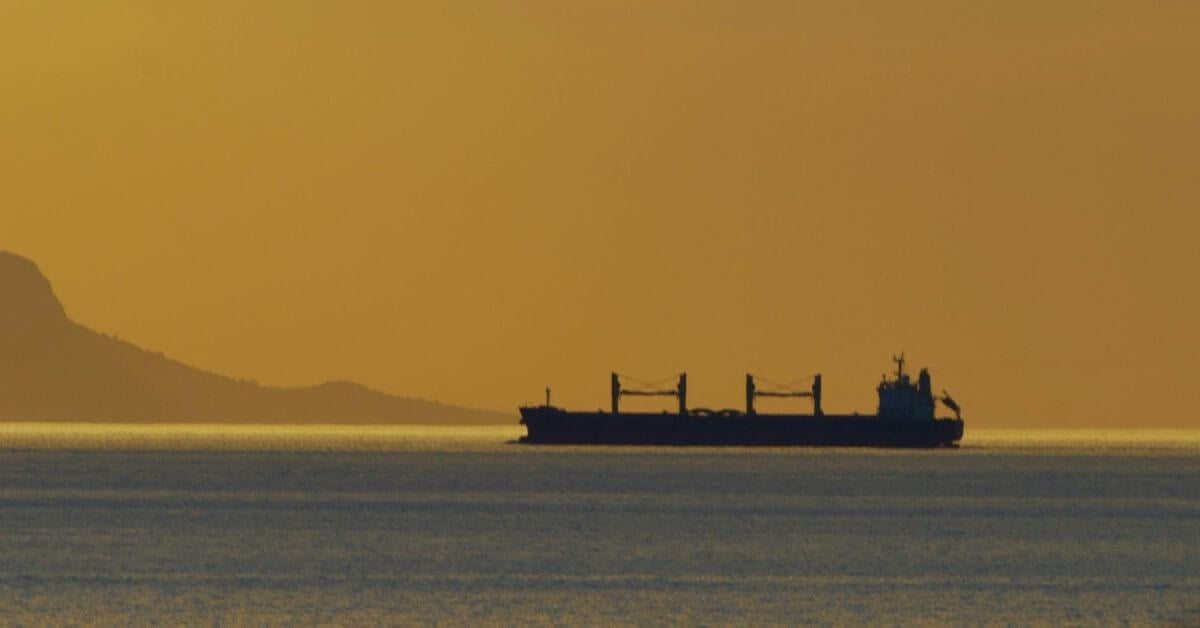
Two Killed as Corn Freighter Sinks in Black Sea After Drone Strike
A Turkish-owned corn freighter has sunk in the Black Sea following a drone strike, killing two crew members and leaving 11 others rescued. The incident marks another sharp reminder that commercial shipping routes now sit directly in the path of regional conflict. Maritime safety is no longer just about weather and navigation; it is about geopolitical risk. For deeper context on how such disruptions are reshaping Baltic traffic, see our coverage of the Gulf of Finland vessel detention.
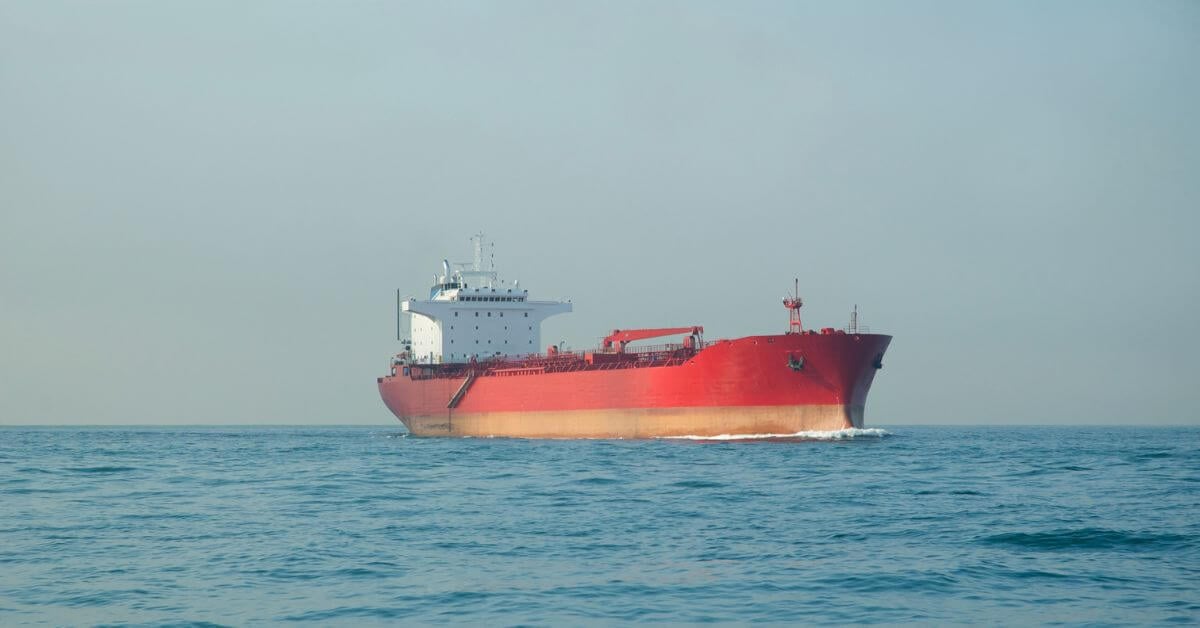
Drone Strike Impacts LPG Tanker Near Strait of Hormuz.
A Liberia-flagged LPG tanker carrying nine Indian seafarers was struck by a drone while sailing eastbound outside the Strait of Hormuz. The incident underscores how vulnerable commercial shipping remains in a waterway that carries a third of the world's liquefied gas. Precision matters here: every attack raises the cost of transit, and the ripple effects are measurable. For context on the region's mounting pressure, our related coverage in "Phased Negotiations Aim to Ease Restrictions on Strait of Hormuz" outlines the diplomatic stakes.
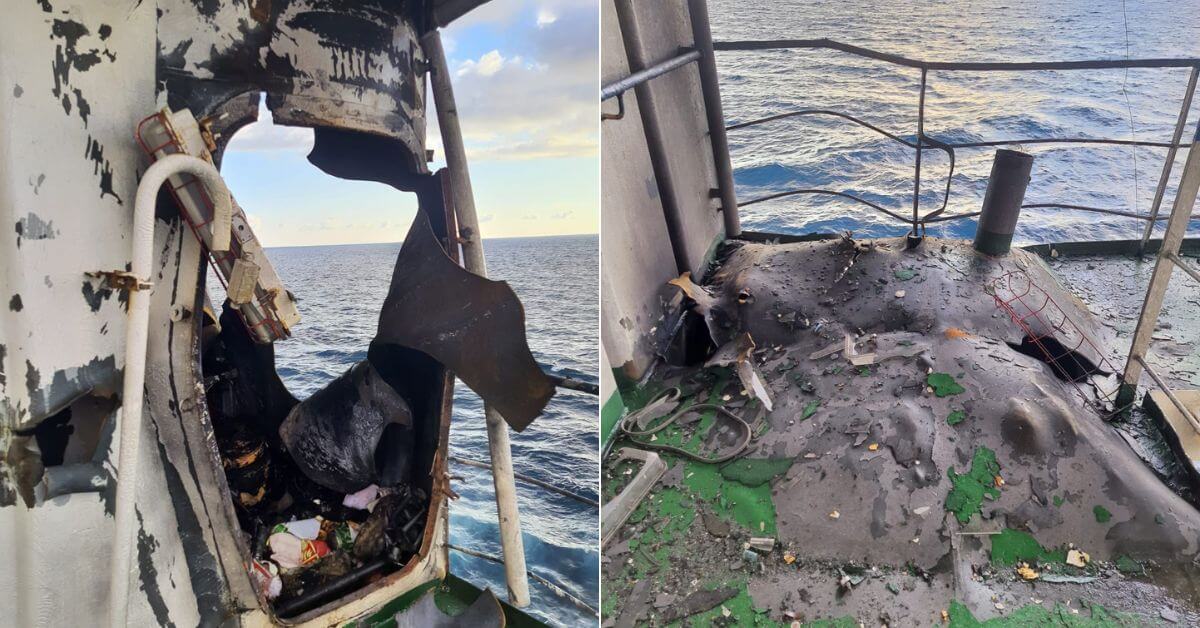
Drone Strike and Fire Imperil Cargo Ship, 23 Seafarers Aboard
The MV BARYON, IMO 9151412, was struck by a drone and fire while en route from Novorossiysk to Karachi, imperiling 23 seafarers aboard. This incident is a sharp reminder that maritime risk is no longer confined to weather or navigation. The threat is asymmetric, and it is here. As our reporting on Gulf of Oman STS transfers and Russian drone activities suggests, the operational picture is shifting. We will be tracking this closely, because safety at sea demands we understand every new vulnerability.

Caspian Sea Vessel Attacked: Iran Seeks Compensation Following Drone Strike
Iran's ambassador to Russia, Kazem Jalali, confirmed that Tehran is seeking compensation after a drone strike targeted the Anna, an Iranian-flagged cargo vessel in the Caspian Sea. The attack raises pointed questions about maritime security in a region already marked by strategic tension. Russia, for its part, has linked such incidents to broader military posturing, as seen in recent strikes on Ukrainian port infrastructure. This incident underscores the fragile line between commercial passage and geopolitical conflict, one that demands calibrated, evidence-based responses, not speculation.

Energos Winter FSRU Refloated After Drone Attack and Salvage Effort
Energos Winter has been refloated following a drone attack that triggered an explosion and fire, which also reached the nearby LNG carrier GasLog Salem. The successful salvage effort marks a measured step toward restoring normalcy after a volatile incident. For those tracking maritime security, this event underscores the fragility of energy infrastructure in contested waters. It is a disruption, not a catastrophe, but one worth watching closely.

Novorossiysk Port Attack Disrupts Grain Exports, Impacting Global Supply.
The strike on Novorossiysk damaged two grain terminals and killed three people, including a child, with 24 more injured. This is not just an assault on infrastructure; it is a direct hit to the global food supply chain. When a major export hub is compromised, the ripple effects are felt in markets and ports far beyond the Black Sea. For those tracking the broader patterns of disruption, our coverage of Russia's export revenue calibration offers useful context.

Drone Strike Damages US-Owned Gas Tanker, Spreading Fire to Second Vessel
A drone strike has damaged the US-owned gas tanker Energos Winter, with fire spreading to a second vessel, according to British maritime security firm Ambrey. The attack underscores the persistent volatility in a region where energy transit remains precarious. This incident arrives as diplomatic efforts, including the phased negotiations covered in our related article, aim to ease restrictions on the Strait of Hormuz.

Technical Surveillance Enables Swift Rescue of Crew from Burning Vessel
When a fire broke out aboard a vessel, technical surveillance systems detected the threat early, enabling Maritime Guard rescue boats to reach the crew without delay. Swift action, driven by precise ocean intelligence, turned a potential tragedy into a controlled evacuation. This incident underscores how integrated monitoring tools deliver measurable outcomes when they matter most. For broader context on maritime risks, our related report, "Cargo Ship Fire Prompts Evacuation Near Mykonos; Incident Under Investigation," offers further insight into similar emergencies.

Navigational Risk Spurs Incentives: Seafarers Rewarded for Hormuz Passage
Sinokor Group, the world's largest supertanker owner, is now offering seafarers an additional six months' salary to transit the Strait of Hormuz. That is a direct, measurable acknowledgment of elevated risk, and it reflects a sobering reality for those who keep energy moving through one of the globe's most contested chokepoints. The incentive is practical, not sentimental. It underscores how commercial resilience now depends on human retention as much as fleet capacity.

Azerbaijani Captain Honored After Deadly Attack Near Odesa
The attack on the Atlas Bey off Odesa brings a stark human dimension to the ongoing conflict, and Captain Samad Nasrullayev's honor is well-earned. His composure under fire reflects the resilience required of civilian mariners navigating these dangerous waters. While military objectives dominate headlines, the loss and bravery here are personal. For a deeper look at how such strikes fit into the broader pattern of port infrastructure damage, our piece on confirmed military action near Odesa offers that context.

Ukrainian Navy Rescues Seafarers After Strike on Cargo Ship VENTURO
Seventeen Filipino seafarers are safe tonight because Ukrainian Navy crews moved swiftly after a Russian strike disabled the cargo ship VENTURO off Odesa. One life was lost in the attack, a sobering reminder of the human cost shadowing these waters. The rescue itself demonstrates real operational discipline under pressure. For those tracking the broader pattern of aggression against commercial shipping, our related report, "Strikes Target Ports and Vessels in Confirmed Military Action," provides essential context. This incident underscores why protecting maritime corridors demands constant vigilance.

Attacks Damage Vessels, Disrupt Trade in Ukraine’s Black Sea Ports
The attack in Odesa, which killed another civilian, shows how directly maritime conflict endangers lives and trade. Each strike against port infrastructure disrupts more than steel and cargo; it fractures the supply chains that sustain global markets. This violence demands measured attention, not alarm. Russia's broader maritime strategy, including its calibrated export revenue plans for the Northern Sea Route, reflects a calculated approach to economic pressure. For deeper context on that strategy, see our related piece on Russia calibrating export revenue.