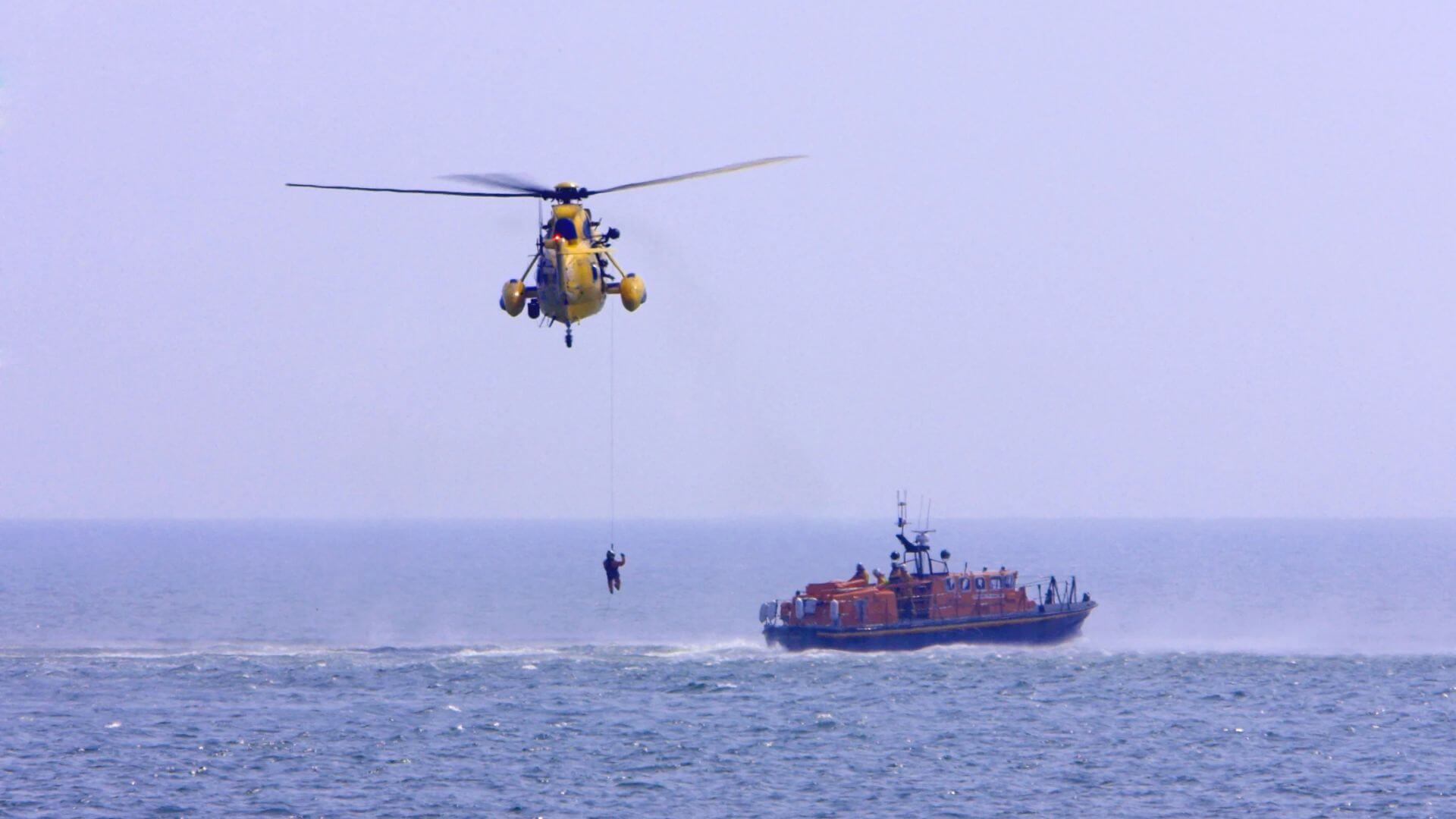
The grounding of the *Fast Jef* off the Wexford coast is a clear reminder that maritime risk does not require a catastrophic collision to expose systemic vulnerabilities. The successful airlift of all six crew is a credit to the Irish Coast Guard's response protocol, but the fact that an 88-metre cargo vessel remains aground in gale-force conditions raises questions that demand empirical scrutiny. This incident is not an isolated event, it follows a pattern of preventable groundings and collisions that our coverage has tracked closely, including the Cargo vessel collision on the Delaware River disables bridge crossing and the Baltic Cable Damage Ruled Measurable Breach of Maritime Accountability. Each event points to a shared failure in real-time situational awareness and integrated risk assessment.
The Irish Coast Guard's head of operations attributed the grounding to southwest winds, yet a Status Yellow marine gale warning was in force before the vessel went aground. This is not an accusation of negligence, it is an observation that the maritime industry still relies heavily on reactive decision-making rather than predictive, data-driven navigation. The *Fast Jef*'s owner, Fast Lines Belgium, has not disclosed the vessel's voyage data or any pre-departure risk assessments. Without that information, the incident becomes another data point in a growing set of cases where environmental conditions were forecast but not adequately mitigated. Compare this to the Baltic cable damage case, where a dragged anchor was ruled a measurable breach of accountability, a finding made possible only because longitudinal tracking and empirical evidence were available to investigators.
What this means for our readers, researchers, policymakers, and mariners, is that the gap between available ocean intelligence and its operational use remains dangerously wide. The Coast Guard's drones and aircraft are now assessing the vessel's viability, but that assessment comes after the grounding, not before it. An integrated data ecosystem that combines real-time weather feeds, vessel draft and maneuverability parameters, and historical grounding patterns could have flagged the risk hours earlier. The technology exists. The question is whether the industry is willing to calibrate its protocols to match the precision of its instruments.
The specific detail to watch is the Irish Coast Guard's ongoing monitoring of the *Fast Jef* and any subsequent salvage report. If the vessel's hull damage is found to have been caused by predictable sea conditions within a known warning zone, the case for mandatory, peer-reviewed voyage planning standards becomes impossible to ignore. The crew is safe. The ship is not. That asymmetry is the measurable cost of operating without full ocean intelligence.