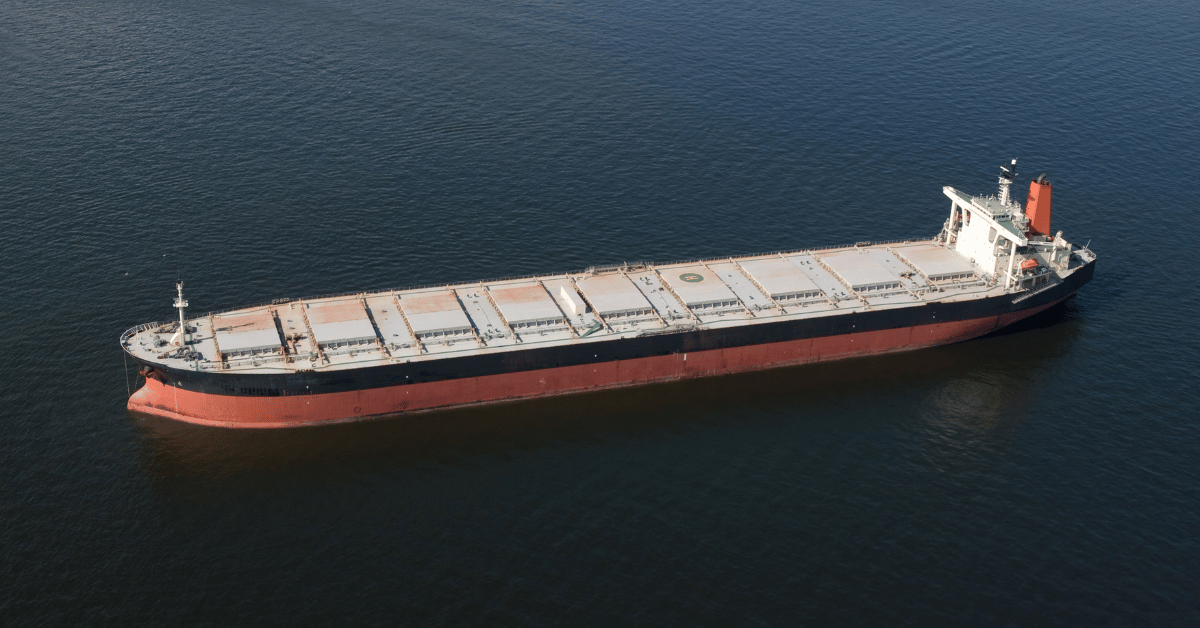
Finland's conviction of the Fitburg's captain and boatswain for cutting two undersea telecom cables is a measurable breach of maritime accountability, and it sets a precedent that extends far beyond the Baltic. The court ruled that dragging an anchor for 130 kilometres across the seabed, severing cables connecting Helsinki and Tallinn, could not have been an accident. The sentences, 42 months for the captain, 34 months for the boatswain, are not just punitive; they are a calibrated legal statement that intentional damage to critical ocean infrastructure will be treated as a crime, even when it occurs outside territorial waters. This verdict arrives in a period when the sea is increasingly a theatre of conflict, as seen in the Indian seafarer killed as drone strike hits cargo vessel off Oman coast and the Black Sea drone strike sinks cargo ship, Bulgarian Navy rescues 18 crew. Those attacks were overt acts of war; the Fitburg's anchor was a quieter weapon, but the damage to shared digital infrastructure is no less consequential.
The court's jurisdictional ruling is the most important takeaway for researchers, policymakers, and maritime professionals. The Fitburg's crew argued that because the cables were cut in Estonia's exclusive economic zone, Finland had no authority to prosecute. The court rejected that, finding that intentional acts with effects inside Finland fall under Finnish law. This is a direct answer to a legal question that had been left open after the Eagle S tanker case, where a lower court first declined jurisdiction before an appeals court reversed that decision. Finland has now closed that loop: if you deliberately break something that connects two countries, you cannot hide in the gaps between their legal zones. For anyone monitoring ocean intelligence, this ruling matters because undersea cables carry nearly all intercontinental data traffic. They are the physical backbone of the integrated data ecosystem that climate research, global finance, and real-time communications rely on. When a vessel can drag an anchor for hours without intervention, the question is not just who pays, the Fitburg's captain and boatswain now face about 1.9 million euros in joint damages, but who watches.
The practical consequence for our readers is that maritime accountability now has a sharper legal edge. The court did not need to prove the captain gave an order to lower the anchor; it was enough that both men must have known the anchor was trailing. That standard shifts the burden of proof in future cases. Vessel operators can no longer claim ignorance when their equipment carves a 130-kilometre trench through seabed infrastructure. The specific detail to watch is the appeal. The captain's lawyer has already announced one, and the boatswain's lawyer has not decided. If the appellate court upholds the jurisdictional reasoning, it will cement a model that other Baltic and North Sea states may adopt. If it overturns the conviction on jurisdictional grounds, the protection of undersea cables will remain fragmented. Either way, the Fitburg verdict has already measured the gap between what happens at sea and what can be prosecuted on land, and it has closed that gap by 130 kilometres.