master
World Data Ocean keeps master in one place: 7 stories so far. The section currently leads with “When Communication Fails: Ambiguous VHF Exchange Prevents TSS Collision”, “Navigation Error: Tug Misidentification Leads to Pier Collision.”, and “Unmonitored Vessel Contributes to Collision in Dense Fog TSS Area”. A bulk carrier and tanker collided in a Traffic Separation Scheme after an ambiguous VHF exchange, poor situational awareness, and inadequate checks before a major course alteration. A tug-name mix-up is a small error with outsized consequences. A Global Hub for Ocean Intelligence 4 World Data Ocean is a centralized digital platform where researchers, scientists, and ocean enthusiasts converge to… The list below is every master story on World Data Ocean, newest first.
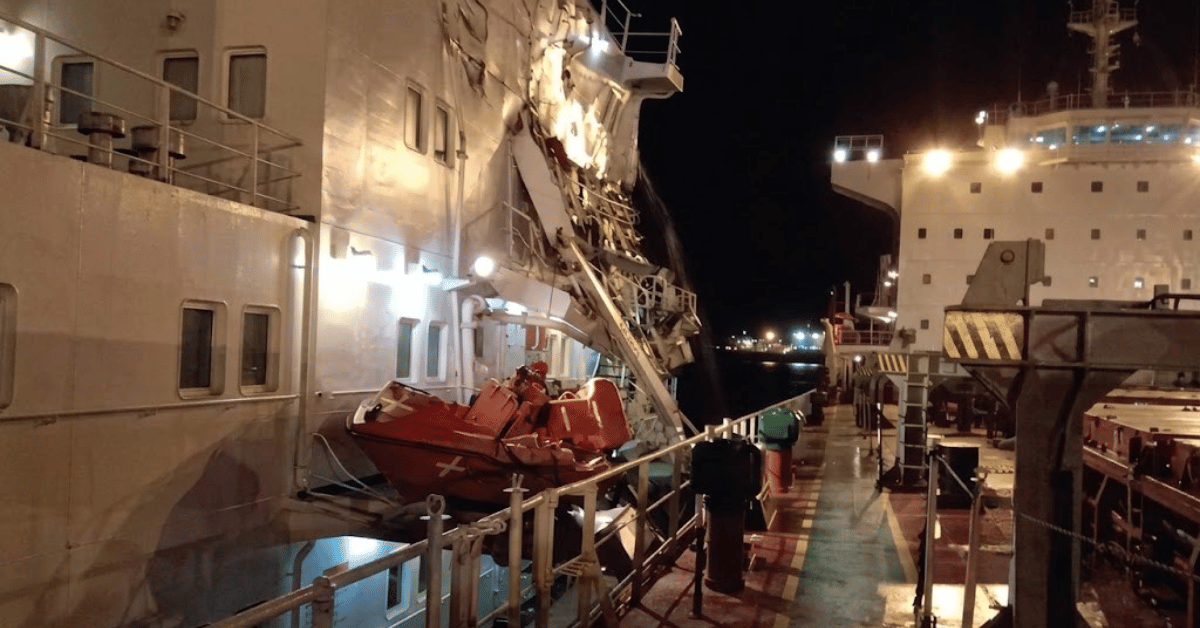
When Communication Fails: Ambiguous VHF Exchange Prevents TSS Collision
A bulk carrier and tanker collided in a Traffic Separation Scheme after an ambiguous VHF exchange, poor situational awareness, and inadequate checks before a major course alteration. When communication fails, the consequences are measurable and immediate. This incident underscores how human factors remain a leading cause of maritime accidents, a theme we explore further in our analysis of quantifying human factors in vessel loss-of-control risk models. Understanding these failures drives better protection at sea.
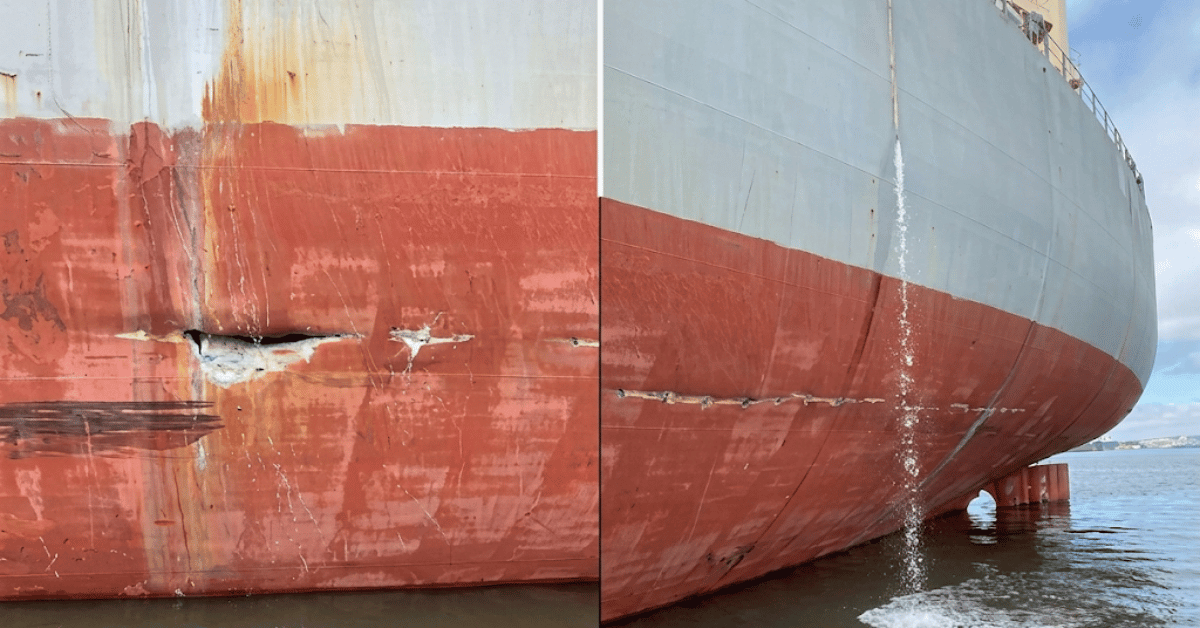
Navigation Error: Tug Misidentification Leads to Pier Collision.
A tug-name mix-up is a small error with outsized consequences. During a night-time departure, the misidentification led a tanker straight into the pier, a collision that was entirely avoidable. It is a sharp reminder that precision in communication is not a luxury but a necessity in maritime operations. This incident joins a growing list of navigation challenges we have covered, including the cargo ship fire near Mykonos, showing that vigilance remains the industry's most critical instrument.
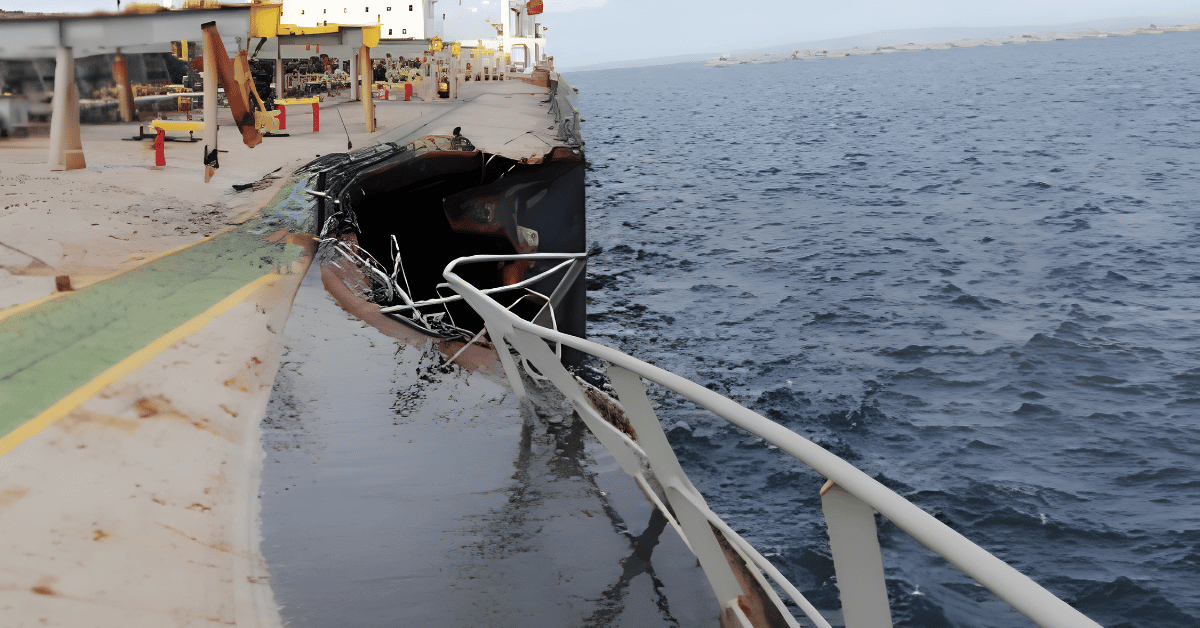
Unmonitored Vessel Contributes to Collision in Dense Fog TSS Area
In dense fog, a bulk carrier collision in a busy TSS reveals a critical gap: an unmonitored vessel went unnoticed. This incident underscores that navigation safety depends on complete situational awareness, not just the traffic that is actively tracked. The loss of oversight in a high-density corridor is a measurable failure of maritime intelligence. For deeper context on how navies and data systems are addressing such gaps, see our related coverage on the "Kiwi Frigate Monitors Sanctions, Enhancing Global Maritime Security Intelligence."
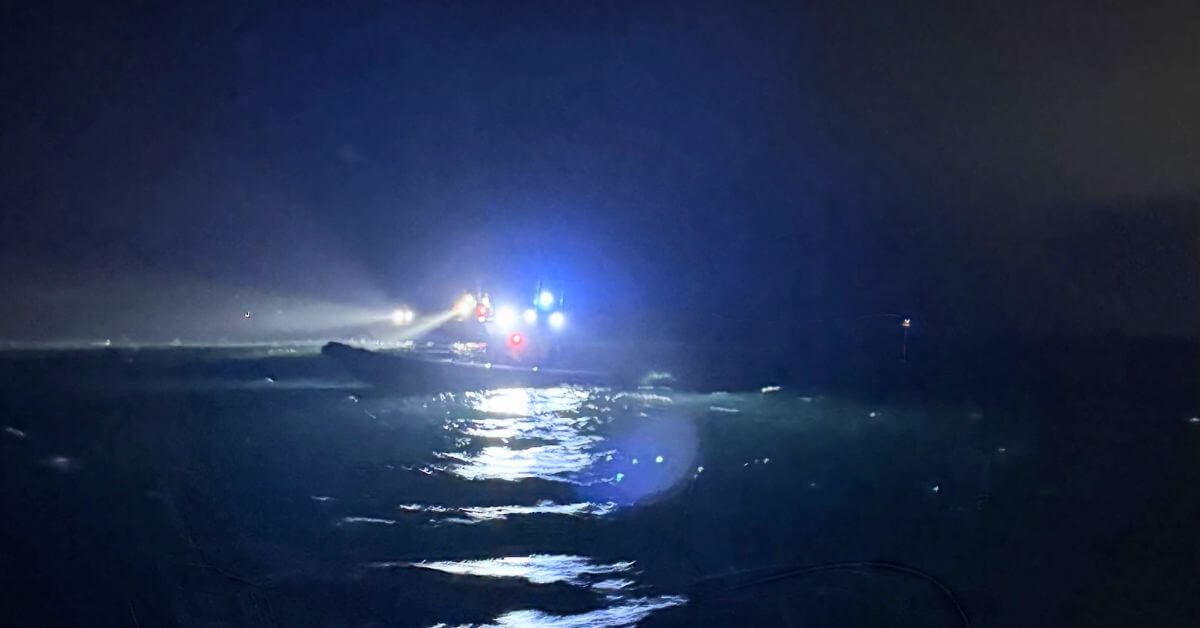
Collision in Hakefjord: Investigation Follows Fatal Loss of Life
The collision in Hakefjord, where a cargo ship overtook and struck a small pleasure boat, killing a mother and her daughter, demands more than a routine inquiry. This is a devastating reminder that maritime safety depends on vigilance in every encounter, regardless of a vessel's size. The investigation must be rigorous and transparent, as the waters we share leave no room for error. For broader context on recent incidents, our coverage of the bulk carrier grounding near Gladstone offers a parallel look at operational risks.

Captain Faces Charges as Russian Tanker Incident Draws Scrutiny
Accountability in maritime operations rarely falls on one person, but it often lands on one. Captain Pant now faces charges while the other 24 crew members have largely returned home, a striking divergence in responsibility that warrants attention. This incident demands scrutiny, not just for what happened, but for how liability is assigned across ranks. For broader context on escalating regional tensions, our related piece, "Strikes Target Ports and Vessels in Confirmed Military Action," offers useful perspective.
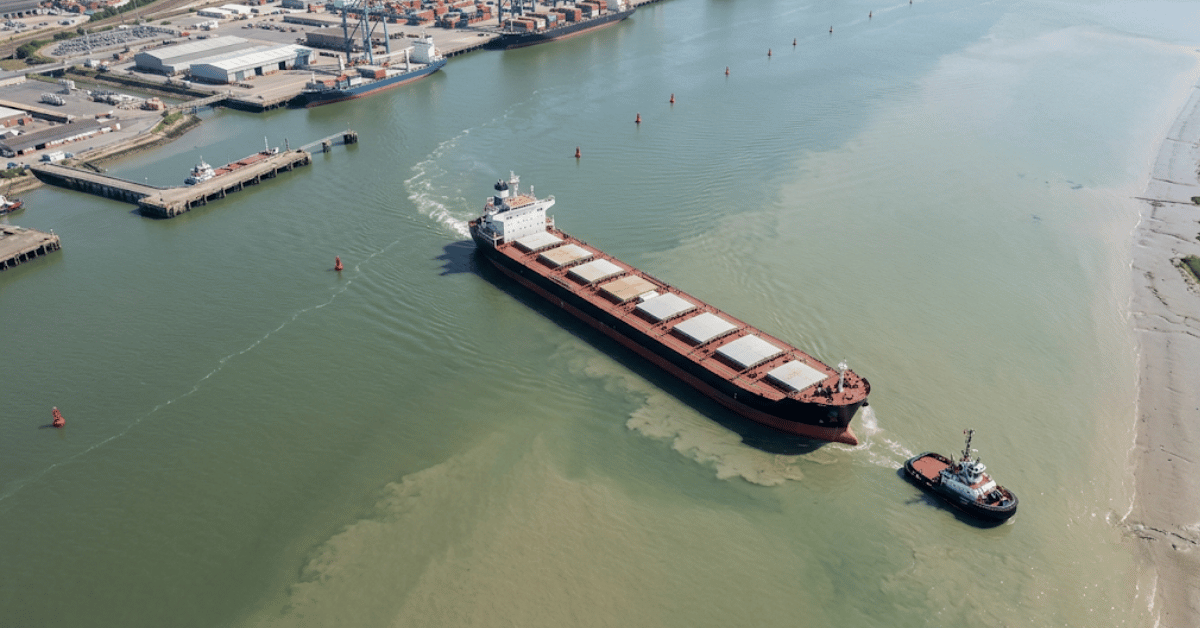
Navigation Error Highlights Risk of Expectation Bias at Sea
A pilot's error outside the dredged channel grounded a bulk carrier twice, a stark reminder that expectation bias can override even the most familiar waterway. We often trust what we think we see at sea, yet this incident shows how quickly assumption undermines navigational safety. The lesson is not new, but it bears repeating: verify every fix, question every turn. For those tracking similar risks, our coverage of the bulk carrier freed after prolonged grounding near Gladstone offers further context worth reviewing.
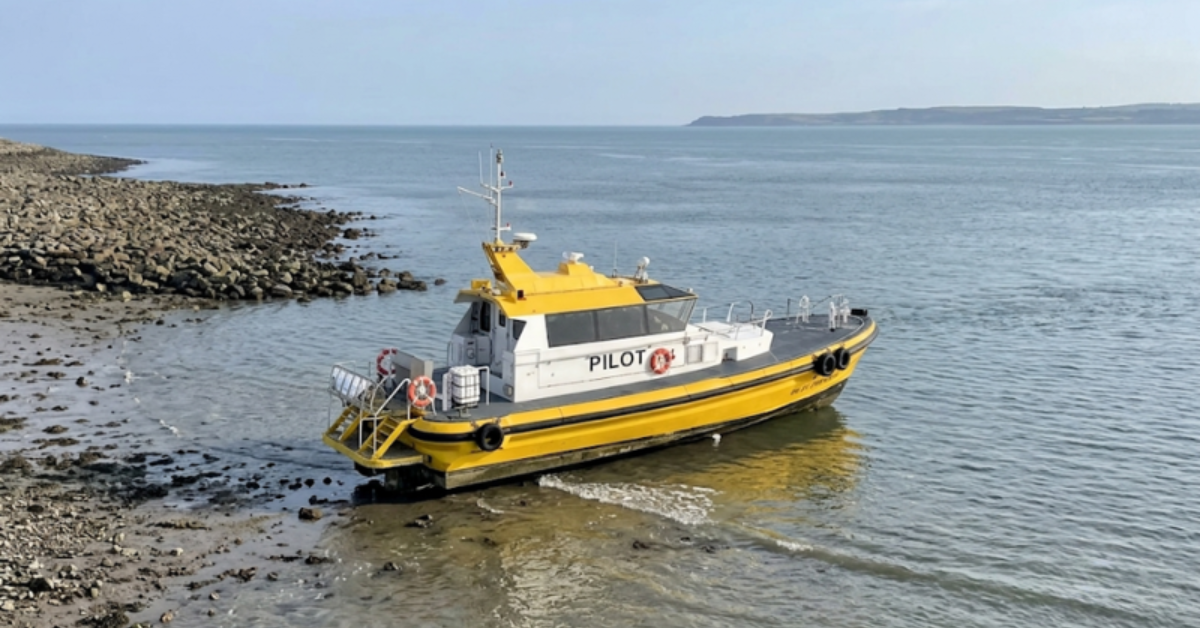
Navigational Error and Visibility Highlight Situational Awareness Risks at Sea
A pilot boat ran aground when poor visibility and reduced situational awareness led the Master into a navigational error. The incident underscores how quickly conditions at sea can erode even experienced decision-making. It is a measured reminder that vigilance is not optional, it is the anchor of safe passage. For broader context on maritime safety challenges, our coverage of the drone strike near the Strait of Hormuz highlights how external threats compound operational risk. Understanding these failures drives stronger, more disciplined practices.