industrial base
industrial base at World Data Ocean is a file of 7 stories. The newest of them: “Canada's Patrol Submarine Project Charts a Calibrated Course for Sovereign Ocean Intelligence”, “Naval Aviation's Future: HII Secures Contract for Next-Generation Carrier”, and “Integrating AI and Robotics to Enhance Maritime Production Capacity”. The Canadian Patrol Submarine Project is not merely a fleet replacement; it is a calibrated investment in sovereign ocean intelligence. A $336 million agreement with HII secures the components for CVN 82, a nuclear-powered carrier that will extend the Navy's operational reach. A Global Hub for Ocean Intelligence 4 World Data Ocean is a centralized digital platform where researchers, scientists, and ocean enthusiasts converge to… The list below is every industrial base story on World Data Ocean, newest first.
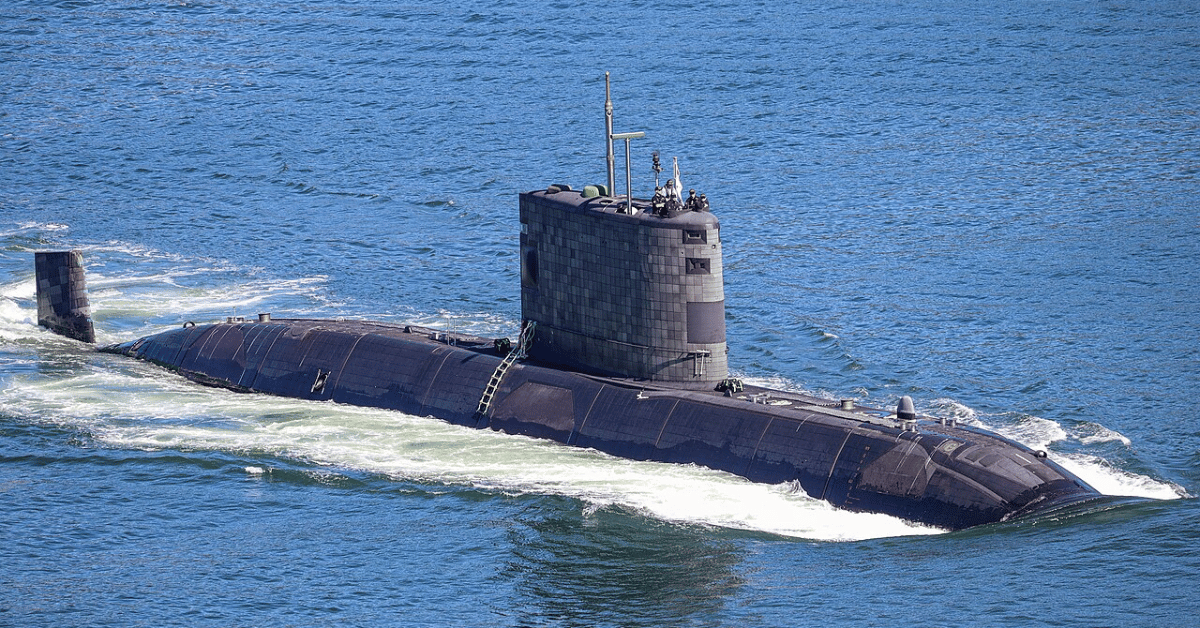
Canada's Patrol Submarine Project Charts a Calibrated Course for Sovereign Ocean Intelligence
The Canadian Patrol Submarine Project is not merely a fleet replacement; it is a calibrated investment in sovereign ocean intelligence. By planning up to 12 modern submarines to succeed the Victoria-class, Canada is prioritizing validated, long-term maritime awareness over reactive procurement. This measured approach aligns with the measured growth seen elsewhere, such as in our coverage of Kandla Port's Record Cargo Day. Understanding drives protection, and a modern submarine fleet is a precise instrument for that mission.
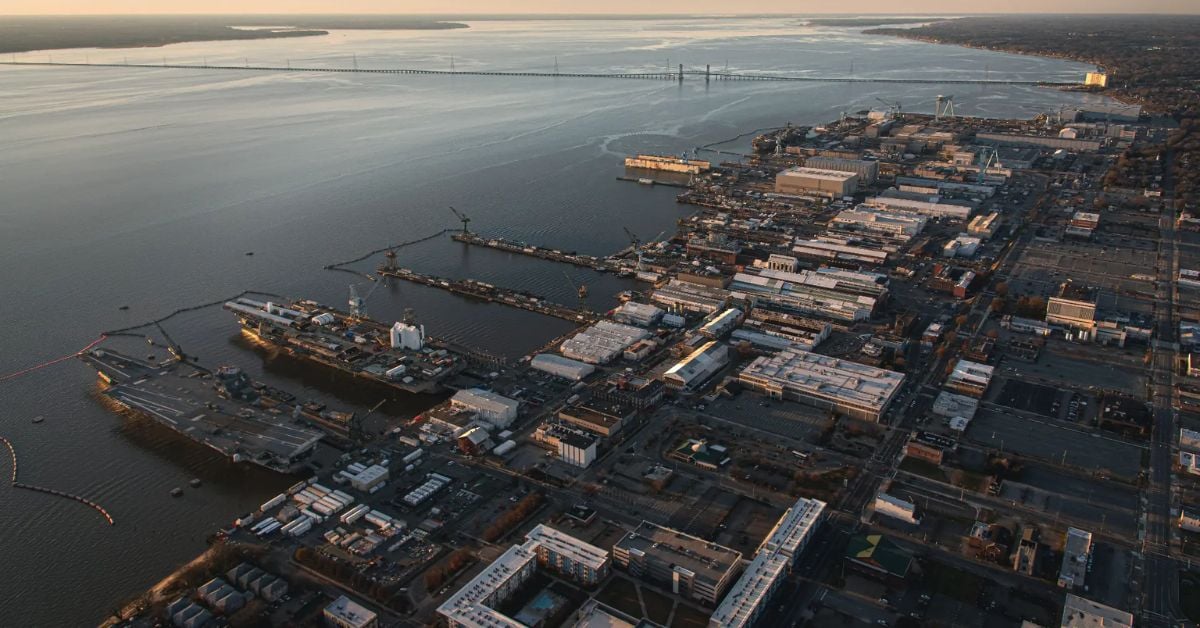
Naval Aviation's Future: HII Secures Contract for Next-Generation Carrier
A $336 million agreement with HII secures the components for CVN 82, a nuclear-powered carrier that will extend the Navy's operational reach. This is a deliberate investment in long-term maritime capability, not a headline-grabbing gesture. The ship represents the kind of sustained, measurable progress that defines modern naval force design. For readers tracking how these platforms fit into a broader picture, our coverage of "China's New Nuclear Carrier Signals Extended Naval Operations Capability" offers useful context.
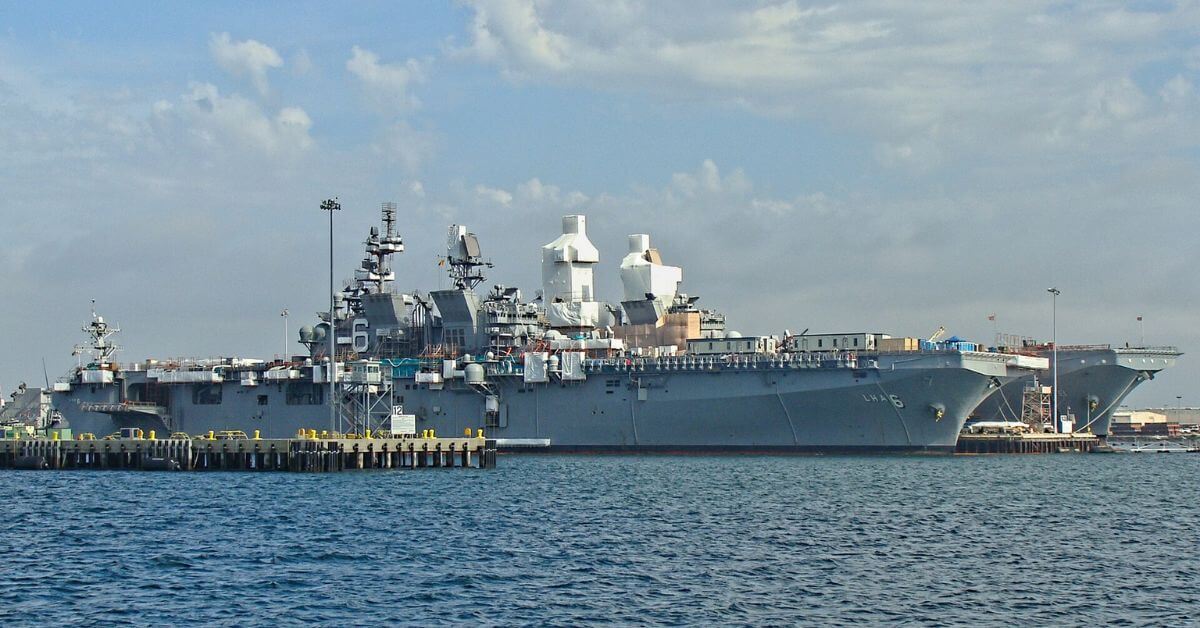
Integrating AI and Robotics to Enhance Maritime Production Capacity
Skilled labor, upgraded shipyards, and robotics are converging on the maritime sector. The company's plan to integrate physical AI into its production lines is a practical response to mounting capacity demands, not a distant ambition. This move toward automation and precision aligns with the need for measurable efficiency gains. For context on how other nations are scaling their naval ambitions, our piece on the **U.S. Navy Accelerates Submarine Production with Integrated Strategy** offers a useful comparison. The tide is turning toward smarter, faster shipbuilding.

Expanding Naval Capacity: Pentagon Explores International Shipbuilding Options
President Donald Trump's memorandum directing the Pentagon to explore foreign-built warships and auxiliary vessels marks a pragmatic recalibration of U.S. naval strategy. Expanding capacity through international shipbuilding is not an admission of weakness; it is an acknowledgment that timelines and industrial output matter. The move invites scrutiny, but it also opens a lane for allied integration. For deeper context on how other nations are scaling maritime assets, our coverage of China's new nuclear carrier signals extended naval operations capability offers a useful comparison.

Submarine Program Drives Innovation in Green Manufacturing for Defence.
Canada's next submarine program is more than a naval upgrade; it is a potential launchpad for green manufacturing. By embedding clean production methods into defence supply chains, the initiative can turn shipbuilding into a proving ground for measurable, repeatable environmental gains. That is a pragmatic step toward industrial resilience. For broader context on how allied innovation is reshaping maritime operations, our coverage of the Hypersail Yacht partnership offers a useful parallel in electrification.

Strengthening U.S. Shipbuilding: Training the Next Generation of Maritime Workers
Skilled labor is the backbone of any shipbuilding industry, and this partnership targets that need directly. By expanding the pipeline of qualified maritime workers, it strengthens both the workforce and the domestic supply chains that depend on it. It is a practical, measured response to a persistent challenge. For readers tracking the sector's broader risks, our coverage of the *Fatal Attack on Cargo Ship* offers a stark reminder of why a resilient maritime workforce matters.

Port Alpha: A New Era for U.S. Maritime Capabilities and Ocean Data.
Brownsville, Texas, is set to anchor a significant leap forward in American maritime capability with the construction of Port Alpha, a new advanced shipyard. This investment signals a clear commitment to modernizing our national infrastructure while simultaneously strengthening the collection of critical ocean data. It is a practical, forward-looking move that integrates industrial capacity with the imperative of environmental intelligence. For those tracking the health of our seas, this development is a measurable step toward a more resilient and informed future.