international maritime organization
World Data Ocean keeps international maritime organization in one place: 10 stories so far. The section currently leads with “Weekly tanker strikes near Strait of Hormuz reach highest count in years”, “Resilience in transit: New metrics map the China: Europe shipping chain”, and “Risk-Based Mapping Sharpens Oil Spill Response in Busan's Split Jurisdictions”. Twelve attacks on oil, LNG, and LPG tankers near the Strait of Hormuz in a single week mark the highest count in years, a measurable escalation in maritime risk. A Global Hub for Ocean Intelligence 4 World Data Ocean is a centralized digital platform where researchers, scientists, and ocean enthusiasts converge to… The list below is every international maritime organization story on World Data Ocean, newest first.
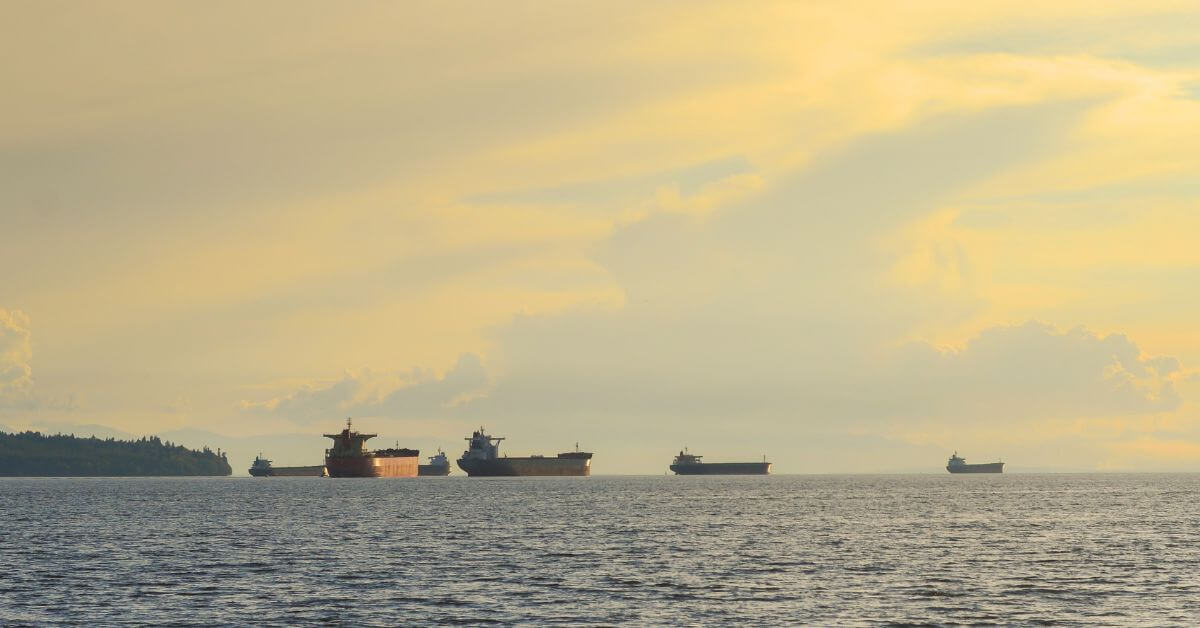
Weekly tanker strikes near Strait of Hormuz reach highest count in years
Twelve attacks on oil, LNG, and LPG tankers near the Strait of Hormuz in a single week mark the highest count in years, a measurable escalation in maritime risk. These are not isolated incidents; they are part of a broader pattern of aggression that demands empirical attention. For deeper context on the region's reliability, see our related coverage on verified transit data that counters Iranian claims of closure. Understanding these attacks requires calibrated, real-time intelligence, not alarm.

Resilience in transit: New metrics map the China: Europe shipping chain
China, Europe container shipping is not a straight line between two ports. It is a system under constant pressure, and a new study gives that pressure a number. By coupling capabilities with market, port domains, the research builds a 12-indicator framework that tracks resilience through four global shocks. The inverted-U trend is telling: resilience peaks during the Russia, Ukraine conflict, then dips 2% in the Red Sea crisis, still 13.4% above trade-war levels. Resistance dominates early; recovery peaks later. That sequencing matters.
Risk-Based Mapping Sharpens Oil Spill Response in Busan's Split Jurisdictions
In Busan, where split jurisdictions and dense vessel traffic test response readiness, the gap between resource volume and placement can decide outcomes. This study sharpens that equation by mapping oil recovery capacity to risk, cutting initial response times by up to 44.4% under a 3-hour benchmark. It is a practical move from administrative habit to measurable preparedness. For those tracking maritime response strategy, related coverage on dynamic SAR resource allocation offers a useful parallel.
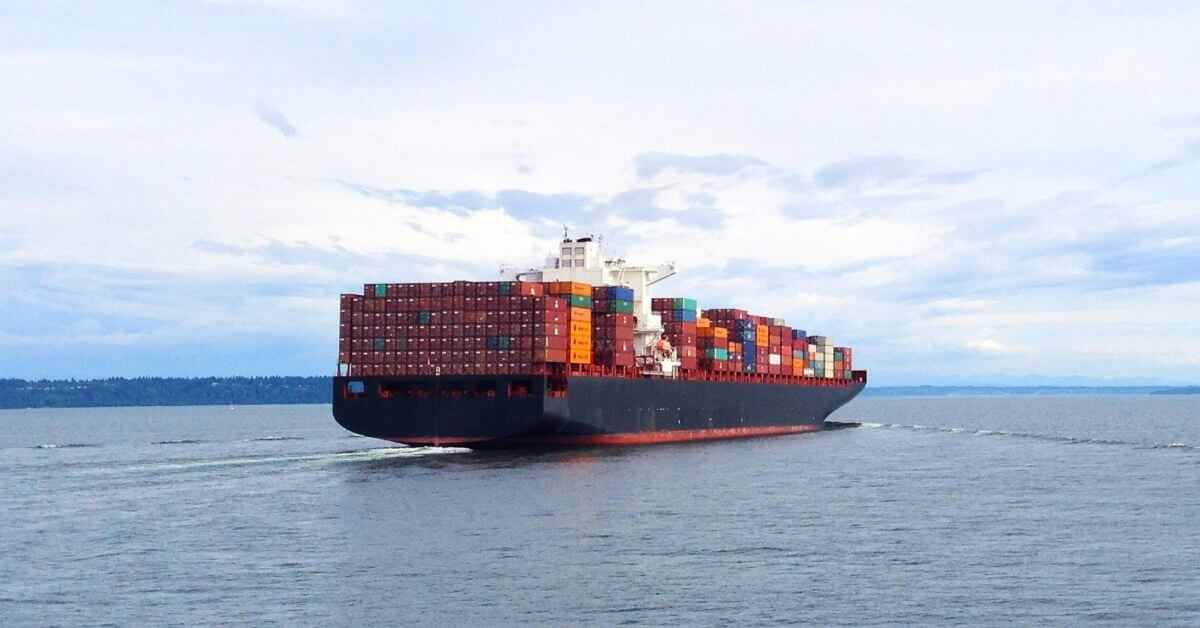
Integrated Response Saves 25 Seafarers After Container Ship Distress
Twenty-five seafarers are safe today after the Liberia-registered container ship MSC Hermes III issued a distress alert and triggered an integrated response. The rescue speaks to what measured coordination can achieve when every minute carries weight. These are the outcomes that matter most, measured in lives returned safely to shore. For deeper context on similar maritime emergencies, our coverage of the bulk carrier grounding near Gladstone offers a parallel look at response challenges. The ocean demands precision; this operation delivered it.

Red Sea Attack Highlights Risks to Maritime Trade and Seafarer Safety
The latest attack in the Red Sea and Gulf of Aden is a pointed reminder that maritime trade routes remain dangerously exposed. As Mr. Arsenio Dominguez noted, the location is particularly troubling, and we agree. These waters are not abstract lines on a chart; they are arteries for global commerce, and each incident endangers lives and supply chains. This follows the Gulf of Oman STS transfers maxing out, a clear signal of mounting pressure. The pattern is measurable, and it demands calibrated, not reactive, responses.
China’s Role in Global Shipping Decarbonization: An IMO Analysis
The IMO's Net-Zero Framework marks a decisive step in aligning global shipping with the Paris Agreement, and China's role is pivotal. Beijing has championed the principle of common but differentiated responsibilities, shaping the NZF's pricing mechanisms while advancing its own 'dual carbon' targets through integrated regulatory approaches. The challenge lies in balancing domestic decarbonization with international obligations, yet the opportunities for leadership are clear. China's trajectory here will not only define its shipping governance but also set a precedent for collaborative climate action.

Seafarers Await Rescue: UN Urges Action in Critical Strait.
The Strait of Hormuz is not a headline; it is a holding pattern for thousands of lives. The International Maritime Organization reports that roughly 6,000 seafarers remain stranded aboard hundreds of ships, waiting for a resolution that cannot come soon enough. This is not an abstract geopolitical impasse; it is a human logjam with real consequences. The urgency is measurable, and the call for action is clear.

Navigational Risk Spurs Incentives: Seafarers Rewarded for Hormuz Passage
Sinokor Group, the world's largest supertanker owner, is now offering seafarers an additional six months' salary to transit the Strait of Hormuz. That is a direct, measurable acknowledgment of elevated risk, and it reflects a sobering reality for those who keep energy moving through one of the globe's most contested chokepoints. The incentive is practical, not sentimental. It underscores how commercial resilience now depends on human retention as much as fleet capacity.

Calibrated Response: U.S. Action Targets Iran's Maritime Threat Near Strait of Hormuz.
A seven-hour operation has reduced Iran's ability to threaten commercial shipping near the Strait of Hormuz, a calibrated response to a persistent maritime risk. Measured action of this kind matters, because the strait is not a theoretical concern; it is a live artery for global energy movement. The operation's scope was deliberate, not escalatory. For readers tracking the broader diplomatic picture, our related coverage on phased negotiations to ease restrictions offers useful context. Protection of shipping lanes remains a shared, empirical responsibility.

Safeguarding Seas: IMO Council Underscores Navigation and Seafarer Safety.
The IMO Council closed its 137th session by reaffirming what should never be negotiable: the right to safe passage. Safeguarding Seas: IMO Council Underscores Navigation and Seafarer Safety reflects a measured, necessary stance amid rising geopolitical friction. Navigation rights are not abstract; they are the backbone of global trade and humanitarian access. The Council's clarity is welcome, especially as pressure on chokepoints intensifies.