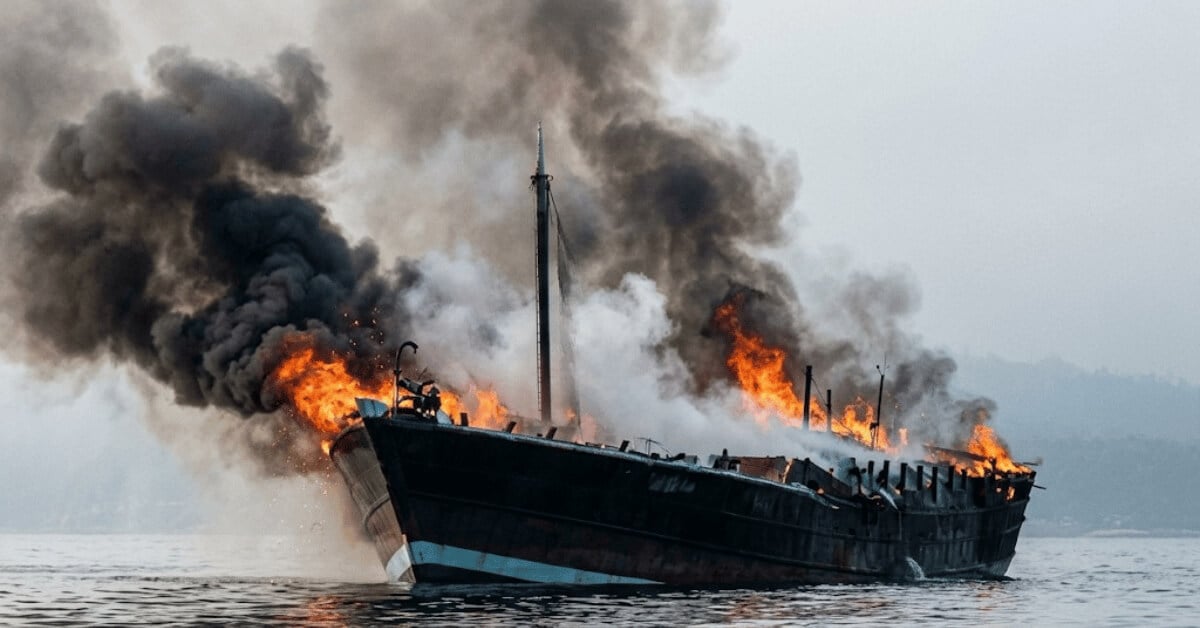
The death of an Indian seafarer from a drone strike off the coast of Oman is not merely another casualty count, it is a clear failure to protect the civilian vessels that sustain global trade. The attack on the MSV Al Jusufi, which killed one sailor and left 13 others rescued by the Omani Coast Guard, underscores a dangerous trend where merchant ships become targets in regional conflicts. This incident follows a pattern we have documented before: Drone strike sinks Black Sea container ship, 14 Filipino crew rescued at sea and 22 Maritime Fatalities on EU-Registered Vessels Reported in 2025. The Strait of Hormuz has become a frontier where seafarers, often from the Global South, bear the lethal cost of hostilities they did not start.
For our readers, the practical takeaway is that no maritime corridor is currently safe from asymmetrical warfare. The Indian government's Directorate General of Shipping has already urged a halt to deploying seafarers on vessels transiting the Strait of Hormuz. This is a calibrated response to escalating risk, but it also creates a logistical bottleneck for the supply chains that depend on that waterway. With 23 Indians killed in the West Asian conflict since February 2026-15 of them seafarers, the human cost is measurable and mounting. The attack on the Al Jusufi is not an anomaly; it is a data point in an integrated data ecosystem of violence against civilian shipping that demands a coordinated, empirical response.
The call from India's Ministry of External Affairs for immediate de-escalation and a diplomatic solution is necessary, but it is not sufficient. What is missing is a global mechanism to enforce safe passage for merchant vessels, one that treats attacks on cargo ships as a shared threat to food, fuel, and fertilizer flows. As Securing the Global South's industrial future demands safety for civilian vessels at sea makes clear, the right to industrialize depends on the right to trade without being bombed. Until such a framework exists, we will continue to count bodies, and each one is a preventable loss of ocean intelligence that could have been redirected toward protection, not tragedy.