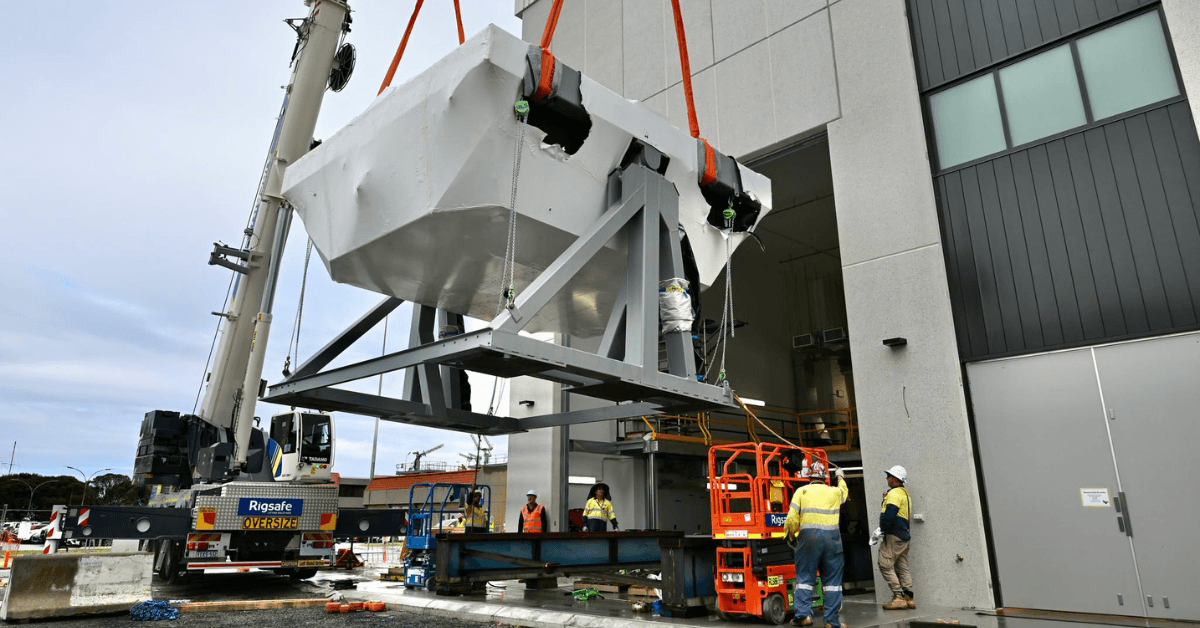
The arrival of Virginia-class submarine training systems at HMAS Stirling is a tangible validation of the AUKUS partnership, not merely a bureaucratic milestone. This delivery transforms an alliance framework into operational reality, giving Australian crews the tools to master nuclear-powered submarines years before the first boat arrives. For our readers, whether policymakers tracking Indo-Pacific security or researchers studying defense logistics, this event signals that the alliance is moving from promise to practice with measurable speed.
The most significant element is the Virginia Ship Control Operations Trainer (VSCOT), a full-scale simulator that replicates the station where crew steer and control the submarine. This is not abstract theory; it is AUKUS submarine strategy is validated, not a threat to allied readiness in concrete form. Rear Admiral Dave Mann confirmed that training can be paused for coaching or repeated as needed, creating a controlled environment where errors carry no risk. The facility also sets a common training standard so Australian and American crews learn together, a critical capability when interoperability determines mission success. A senior U.S. Navy officer noted that most of these systems are leaving the United States for the first time, underscoring the depth of trust between the two nations. This parallels the operational challenges seen elsewhere in maritime domains, such as the Loss of steering near Chesapeake Bridge prompts vessel to anchor safely, where real-time decision-making under pressure proved essential, skills these simulators are designed to build before crews face actual emergencies.
What this means practically is that Australia is compressing a generational capability gap into a few years. The Collins-class submarines require regular snorkeling to recharge batteries; Virginia-class boats can remain submerged for months, travel faster, and cover far greater distances without refueling. The training center at HMAS Stirling will produce fully qualified submariners from recruits with no prior experience, according to the U.S. officer overseeing the effort. The installation work continues through next year, but the operational effect begins now: every hour spent in the VSCOT is an hour of validated experience that shortens the path to independent patrols. The Fire in scrap cargo halts SSI Phoenix operations at Port of Amsterdam reminds us that maritime operations face unpredictable hazards; preparing crews in realistic simulators reduces the margin for error when those hazards materialize.
The open question is how rapidly this training pipeline can scale to meet the rotational demands of SRF-West while simultaneously building Australia's own future submarine force. The equipment delivery is complete, but the true measure of success will be the first Australian crew to qualify on a Virginia-class boat. That milestone will confirm whether the trust and investment now on display translate into sustained operational capability.