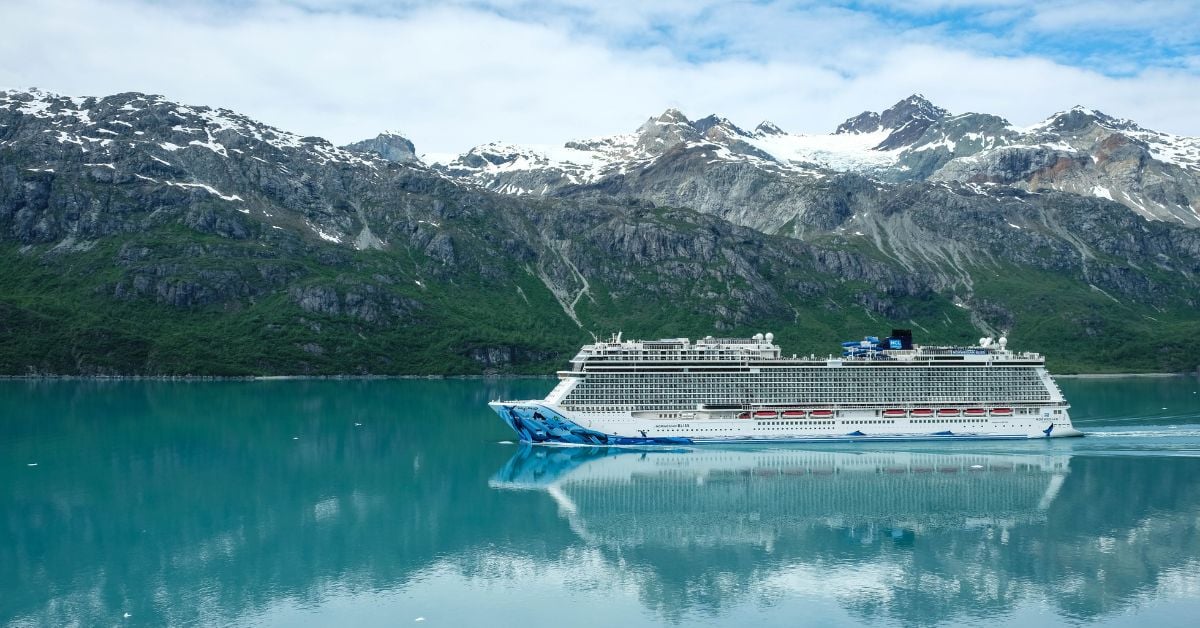
Two strikes in one season is not a coincidence; it is a pattern. The discovery of a second endangered fin whale lodged on a cruise ship's bow in Alaskan waters demands more than a headline. It asks for a recalibration of how we measure the cost of mobility in a warming ocean. This is not an isolated mishap, and it is not the kind of problem that gets solved by a single speed limit or a port authority memo. It is an integrated data failure, one where the very systems designed to move people and goods across the sea are colliding with the creatures we are still trying to understand. The Alaska’s Base Kodiak to Gain Enhanced Arctic Capabilities with New Pier expansion signals growing industrial presence in these waters, which makes the need for real-time, peer-reviewed mitigation tools more urgent, not less.
Our take is blunt: a dead whale on a bow is a metric. It is a measurable, empirical data point that speaks to the gap between our stated commitment to ocean stewardship and our operational reality. The first incident could be written off as a tragic anomaly. The second one invalidates that excuse. We now have longitudinal evidence that something in the current traffic management approach is not calibrated to the actual behavior of these animals. We do not need more alarmist messaging about dying oceans; we need better models, validated by empirical observation, that tell us where the whales are and when the ships should slow down. If a $315 million pier at Base Kodiak can be built with precision, then we can build a similar level of precision into the algorithms that govern vessel routing. The fact that we are not is a choice, and it is a choice with a body count.
For our readers who work in marine policy, shipping logistics, or conservation science, this is not just a news item. It is a call to integrate disparate data streams. The Unexpected Chiton Discovery in Puerto Rico Challenges Species Distribution Models showed us that our assumptions about species ranges are incomplete, and the Unidentified Specimen Found in Oahu Waters Sparks Ocean Data Inquiry reminds us that our observational gaps are still vast. These are not separate stories; they are symptoms of the same underlying condition. Our ocean intelligence is fragmented. We are navigating with partial maps. Until we treat every ship strike, every specimen sighting, and every bycatch event as a piece of a larger integrated data ecosystem, we will keep being surprised by the obvious.
What would we tell a reader who asks what to do with this information? Stop treating the ocean as a highway and start treating it as a habitat with legal standing. The practical takeaway here is not that cruise ships should stop sailing. It is that they should sail with the same level of data rigor we expect from a climate research vessel. Watch the next steps closely. The question is not whether another whale will be found; it is whether the industry will wait for a third strike before deciding that real-time, calibrated, and peer-reviewed ocean intelligence is a non-negotiable operational requirement, not an optional add-on. The data is already telling us the answer. We just need to listen to the bow.