whale
4 stories filed under whale on World Data Ocean. The newest of them: “Decomposed Carcass on Gulf of Mannar Coast Challenges Cetacean Identification”, “Whale ear bone fossil identified on Costa Rica beach by citizen science”, and “Alaska: Second Endangered Whale Found After Cruise Ship Collision”. A severely decomposed cetacean carcass washed ashore at Thoothukudi Harbour, Tamil Nadu, presents a challenging identification puzzle for marine biologists. A lightweight whale ear bone fossil, identified by a citizen scientist using Google Lens on a Costa Rica beach, presents a compelling case for integrated data ecosystems in paleontology. A Global Hub for Ocean Intelligence 4 World Data Ocean is a centralized digital platform where researchers, scientists, and ocean enthusiasts converge to… The list below is every whale story on World Data Ocean, newest first.
Decomposed Carcass on Gulf of Mannar Coast Challenges Cetacean Identification
A severely decomposed cetacean carcass washed ashore at Thoothukudi Harbour, Tamil Nadu, presents a challenging identification puzzle for marine biologists. The Gulf of Mannar coast is known for diverse dolphin and small whale species, but advanced decomposition, with extensive skin loss and discoloration on this 8-10-foot specimen, obscures the diagnostic features needed for a confident species determination.

Whale ear bone fossil identified on Costa Rica beach by citizen science
A lightweight whale ear bone fossil, identified by a citizen scientist using Google Lens on a Costa Rica beach, presents a compelling case for integrated data ecosystems in paleontology. The specimen's lack of smell and porous texture are empirically consistent with validated marine mammal remains. This discovery echoes themes explored in our related coverage, "Squid hair cells offer a validated model for human hearing research," where biological structures yield measurable, peer-reviewed insights. Such finds remind us that ocean intelligence begins with observation.
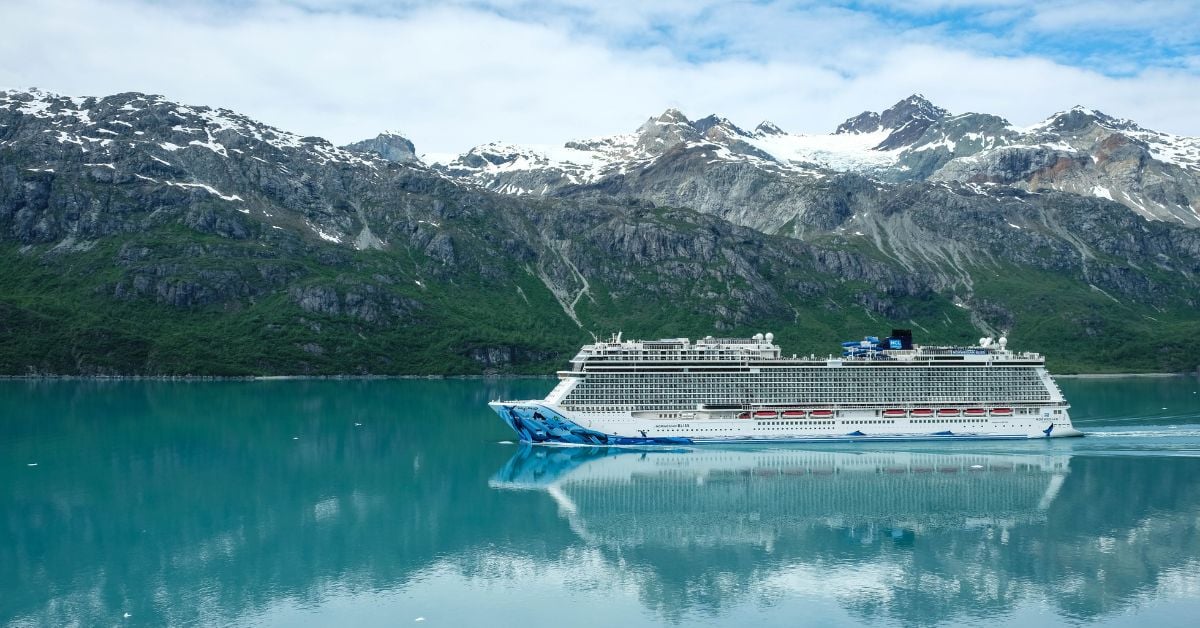
Alaska: Second Endangered Whale Found After Cruise Ship Collision
For the second time this year, a cruise ship has arrived in Alaska with an endangered whale found dead on its bow. This repeated pattern demands more than observation; it calls for integrated data ecosystems that can track ship strikes in real time. Understanding drives protection, and each incident provides empirical evidence we cannot ignore. We are monitoring these developments closely. For deeper context on maritime infrastructure shifts, see our coverage of Alaska's Base Kodiak to Gain Enhanced Arctic Capabilities with New Pier.

Ocean Ingestion: Could a Whale Swallow a Diver Whole?
A sperm whale's throat is large enough to swallow a human, but the mechanics of such an event are far from cinematic. The animal's esophagus is designed for squid, not scuba gear, and its instinct would be to reject anything unfamiliar. Understanding these biological limits sharpens our respect for ocean life. For more on how we track such creatures, explore "Integrated Subsea Cables Enhance Data Transmission Across the Indian Ocean." Curiosity and precision drive real ocean intelligence.