Alaska
World Data Ocean keeps Alaska in one place: 9 stories so far. The section currently leads with “Alaska landslide and glacier retreat produce a measured tsunami 1,580 feet high”, “Help Identify an Uncommon Spiny Specimen from Kachemak Bay Tide Pools”, and “Alaska ceremony validates integrated radar and fleet defense capability”. A 1,580-foot wave, nearly three times the height of the Space Needle, surged up an Alaskan mountainside hours after tourists departed, marking the second-largest tsunami ever measured. A spiny, cream-colored specimen, partially veiled by kelp, was spotted in the tide pools of Kachemak Bay State Park, Alaska, and the community is now asked to help identify it. A Global Hub for Ocean Intelligence 4 World Data Ocean is a centralized digital platform where researchers, scientists, and ocean enthusiasts converge to… The list below is every Alaska story on World Data Ocean, newest first.
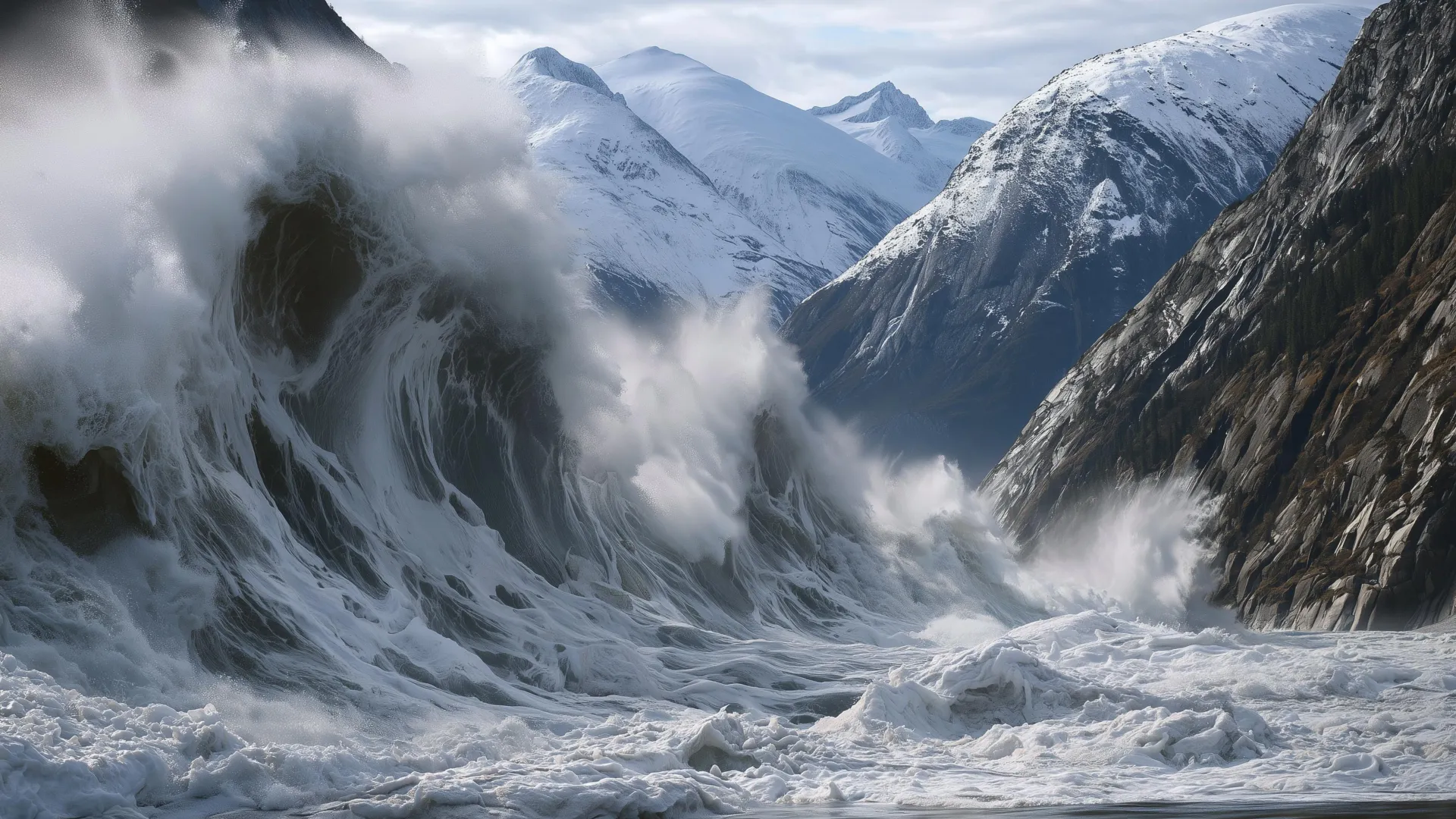
Alaska landslide and glacier retreat produce a measured tsunami 1,580 feet high
A 1,580-foot wave, nearly three times the height of the Space Needle, surged up an Alaskan mountainside hours after tourists departed, marking the second-largest tsunami ever measured. The trigger was a landslide, but the warning signs were already written in the landscape: rapid glacier retreat, heavy rainfall, and thousands of small seismic tremors. This is empirical evidence that melting ice destabilizes more than sea levels. As glaciers withdraw, mountainous coasts face a growing, measurable risk. Understanding drives protection.

Help Identify an Uncommon Spiny Specimen from Kachemak Bay Tide Pools
A spiny, cream-colored specimen, partially veiled by kelp, was spotted in the tide pools of Kachemak Bay State Park, Alaska, and the community is now asked to help identify it. The observer's restraint, choosing not to disturb the organism, reflects a respectful approach to field science. Such careful documentation builds our shared understanding of coastal biodiversity. For deeper context on how community-driven observation complements formal expertise, see our related piece, "Experience and expertise over credentials: a path to ocean science."
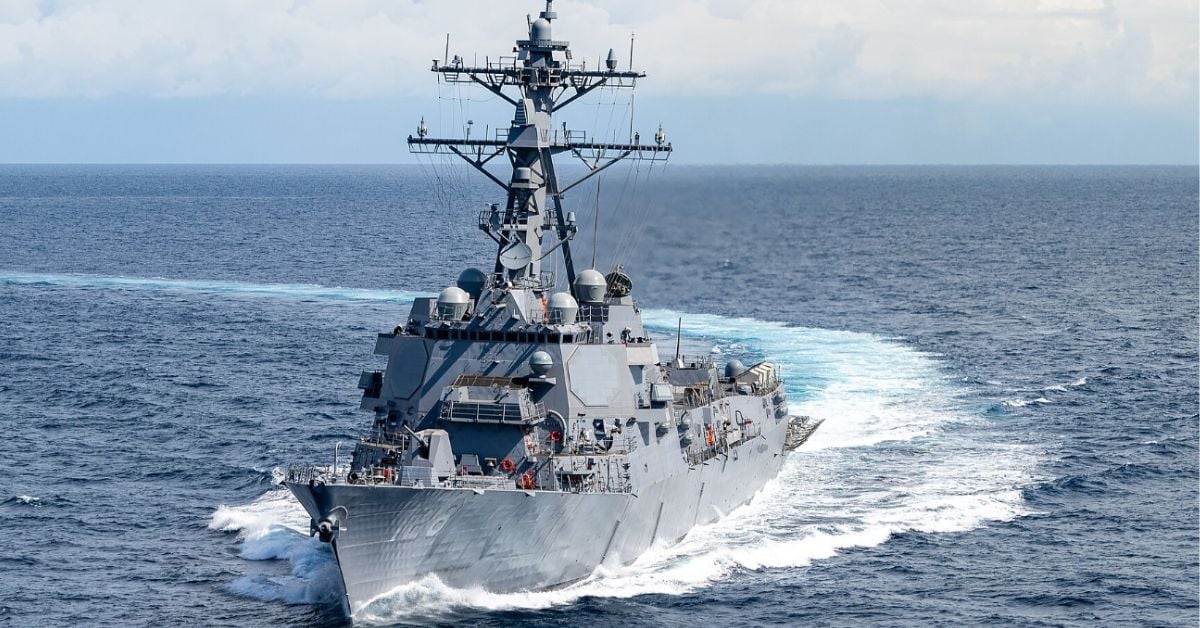
Alaska ceremony validates integrated radar and fleet defense capability
The commissioning of USS *Ted Stevens* in Whittier, Alaska, validates an integrated radar and fleet defense capability that is both measurable and calibrated for real-world conditions. This is empirical progress, a warship purpose-built to operate where climate indicators shift fastest. Understanding drives protection, and this ceremony marks a moment where innovation meets the long arc of stewardship. For deeper context, see our coverage of how laser deterrence deploys in the Strait as naval defense enters a new measured era.
Field-Bound Ecologist Maps a Career Path in Fisheries Observation
A degree in ecology and a minor in marine science can open doors to some of the most demanding field roles on the planet, and this graduate is aiming straight for the deck of a fisheries observer vessel. The decision to take a year between undergraduate study and graduate school is a sound one, especially when it involves collecting empirical data in Alaska's working waters.
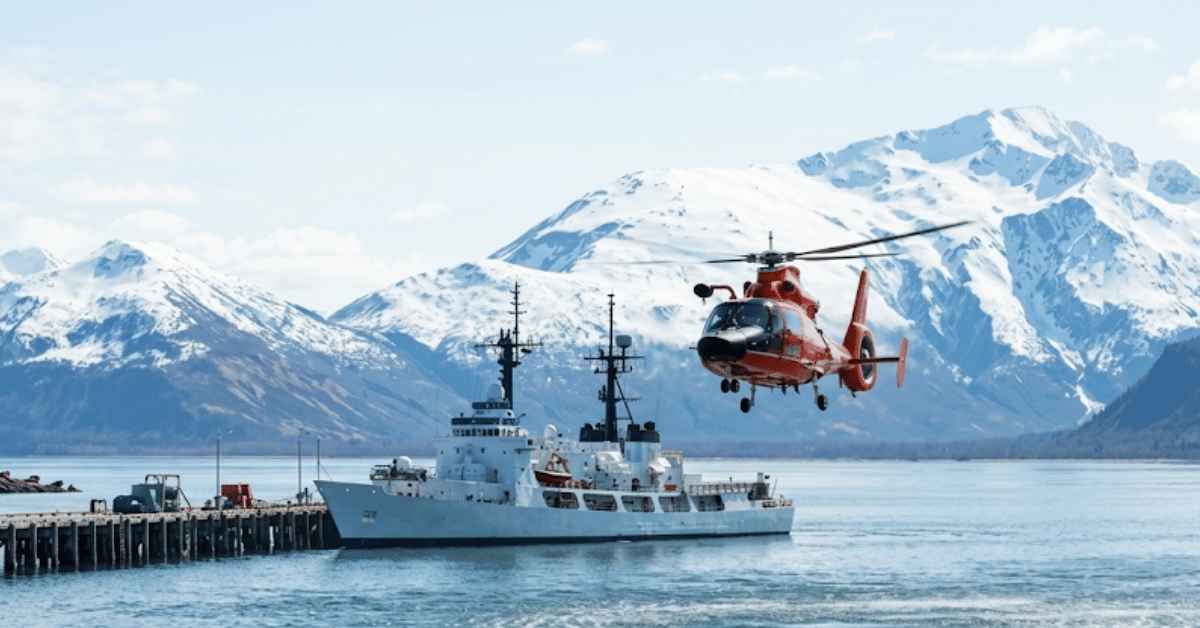
Alaska’s Base Kodiak to Gain Enhanced Arctic Capabilities with New Pier
The U.S. Coast Guard's $315 million contract for a new cutter mooring and fuel pier at Base Kodiak is a measured step toward strengthening Arctic readiness. This investment gives Alaska's hub the infrastructure to sustain operations where climate indicators demand attention. It is practical, forward-looking, and overdue. For broader context on polar infrastructure momentum, our coverage of Russia's Northern Sea Route icebreaker financing offers a useful contrast. This pier is about capacity, plain and simple, and that is how we measure progress.
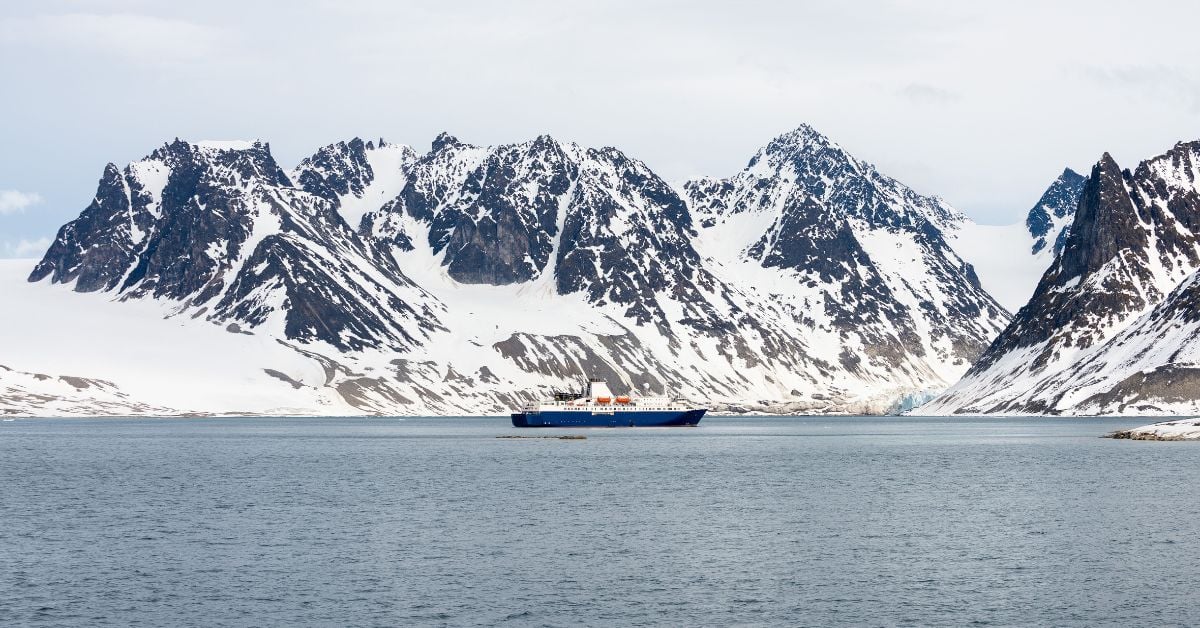
Chinese Research Vessels Operate Near Alaskan Coast, Raising Security Concerns
The presence of Chinese research vessels near the Alaskan coast signals a new layer of complexity in Arctic oversight. The United States views these operations as a potential security concern, and that reaction is measured, not alarmist. For those tracking maritime strategy, this is not abstract posturing; it is a concrete development in a region where access and influence are tightening. We should monitor these transits closely, because in the Arctic, presence itself is a form of leverage.
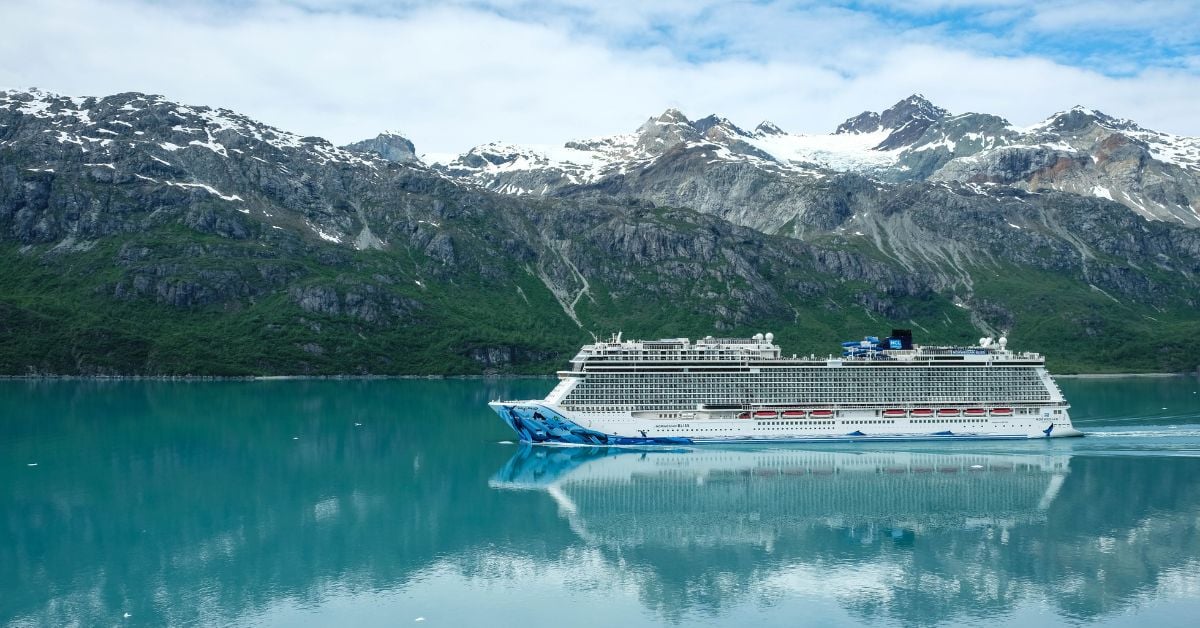
Alaska: Second Endangered Whale Found After Cruise Ship Collision
For the second time this year, a cruise ship has arrived in Alaska with an endangered whale found dead on its bow. This repeated pattern demands more than observation; it calls for integrated data ecosystems that can track ship strikes in real time. Understanding drives protection, and each incident provides empirical evidence we cannot ignore. We are monitoring these developments closely. For deeper context on maritime infrastructure shifts, see our coverage of Alaska's Base Kodiak to Gain Enhanced Arctic Capabilities with New Pier.

Seeking Identification: Mystery Sculpin Spotted Near Ketchikan, Alaska
A mystery sculpin has surfaced near Ketchikan, Alaska, and the sighting is worth a closer look. Submitted by /u/Competitive-Ad750, this identification request turns a single observation into a moment of shared inquiry. We treat such reports as data points, small but measurable contributions to a larger picture of nearshore biodiversity. For context on how Alaska's marine systems are shifting, readers may also explore our piece on Cascadia's Subduction Zone Reveals a Fragmented Tectonic Process. Every record helps calibrate what we know.

Healy Icebreaker Returns to Seattle Following Engineering Casualty During Trials
The Healy's unplanned return to Seattle on July 13, towed by tugboats after an engineering casualty interrupted its trials, is a stark reminder that even the most capable vessels answer to the sea's unforgiving standards. The Coast Guard's concise statement leaves the damage unspoken, yet the disruption underscores a hard truth: reliability is the quiet backbone of polar operations. As Russia calibrates export revenue for its own icebreaker fleet, the contrast sharpens, our maritime ambitions must be matched by mechanical resilience.