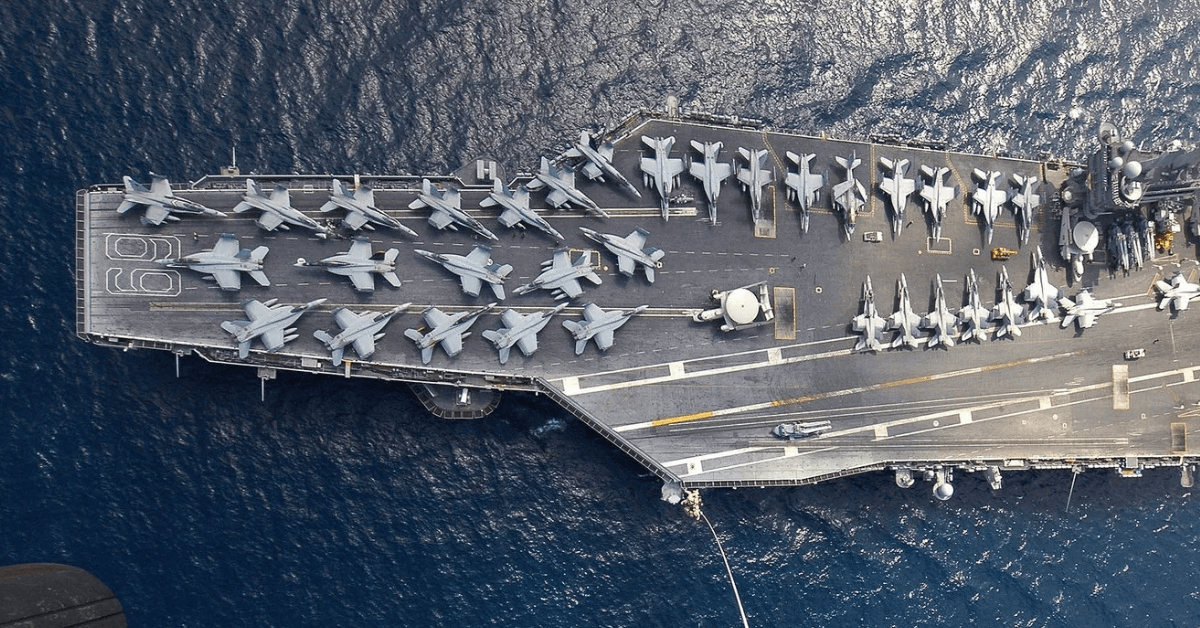
The Type 004 aircraft carrier is not merely a warship; it is a floating statement about the limits of ocean intelligence. At 322 metres and growing, China's fourth carrier signals a measurable shift in how naval power integrates with real-time data collection and operational endurance. This vessel matters to our readers because it transforms the practical calculus of maritime observation: a nuclear-powered platform removes the logistical leash that constrains conventional fleets, enabling persistent presence in regions where refuelling infrastructure is sparse or contested.
The comparison to 28 Firms Selected to Validate Next-Gen Naval Electronic Warfare Systems is instructive. Where that contract focuses on validating electronic warfare payloads aboard smaller platforms, the Type 004's nuclear propulsion provides the electrical capacity to host such systems at scale without compromise. Analysts at CSIS and Nanyang Technological University confirm the hull already matches the footprint of the Nimitz and Ford classes, which can carry up to 100 aircraft. China's earlier carriers topped out at roughly 50. That doubling of air wing capacity is not just a tactical advantage; it multiplies the vessel's ability to gather, process, and relay ocean intelligence across an integrated data ecosystem. The carrier becomes a mobile node in a network that stretches from orbit to ocean floor.
Practical implications are direct. A nuclear-powered carrier can sustain higher sortie rates without the need for separate power generators, as the Singapore-based analyst noted. Faster takeoffs with no payload compromise and quicker combat refuelling turnarounds mean the Type 004 can maintain continuous coverage over a contested patch of ocean for weeks rather than days. This is not an abstract projection. The US Navy operates 11 nuclear carriers today; China will soon have its first. The gap in operational endurance between these fleets is closing. Readers tracking A new vessel charts measurable progress in maritime innovation and global mobility will recognise the pattern: just as the cruise ship Adora Flora City demonstrated that China can build large commercial vessels at scale, the Type 004 validates that the same industrial base can produce nuclear-powered combatants with global reach.
One detail demands attention. The Taipei-based defence analyst suggested the Type 004 may be stationed in northern China, while the existing three carriers operate from the south. That geographic split would give China the ability to project naval intelligence across two distinct theatres simultaneously, the South China Sea from the south, and the East China Sea and beyond from the north. Deploying the ship could take five to ten years after launch, according to the Nanyang Technological University fellow. The open question is whether that timeline compresses as reactor integration accelerates. What happens when a nuclear-powered carrier that can carry up to 100 aircraft operates year-round in waters where climate indicators are changing fastest? That is the question our readers should watch.