Nuclear-powered
8 stories filed under Nuclear-powered on World Data Ocean. The newest of them: “Naval Aviation's Future: HII Secures Contract for Next-Generation Carrier”, “Nuclear-Powered Shipping Route Explored in Transatlantic Collaboration”, and “Australia Advances AUKUS Submarine Program with New Shipyard Construction”. A $336 million agreement with HII secures the components for CVN 82, a nuclear-powered carrier that will extend the Navy's operational reach. A transatlantic partnership has launched to explore a nuclear-powered shipping route, with Lloyd's Register, Maersk, and the ports of Charleston and Felixstowe collaborating on the Pink Corridor project. A Global Hub for Ocean Intelligence 4 World Data Ocean is a centralized digital platform where researchers, scientists, and ocean enthusiasts converge to… The list below is every Nuclear-powered story on World Data Ocean, newest first.
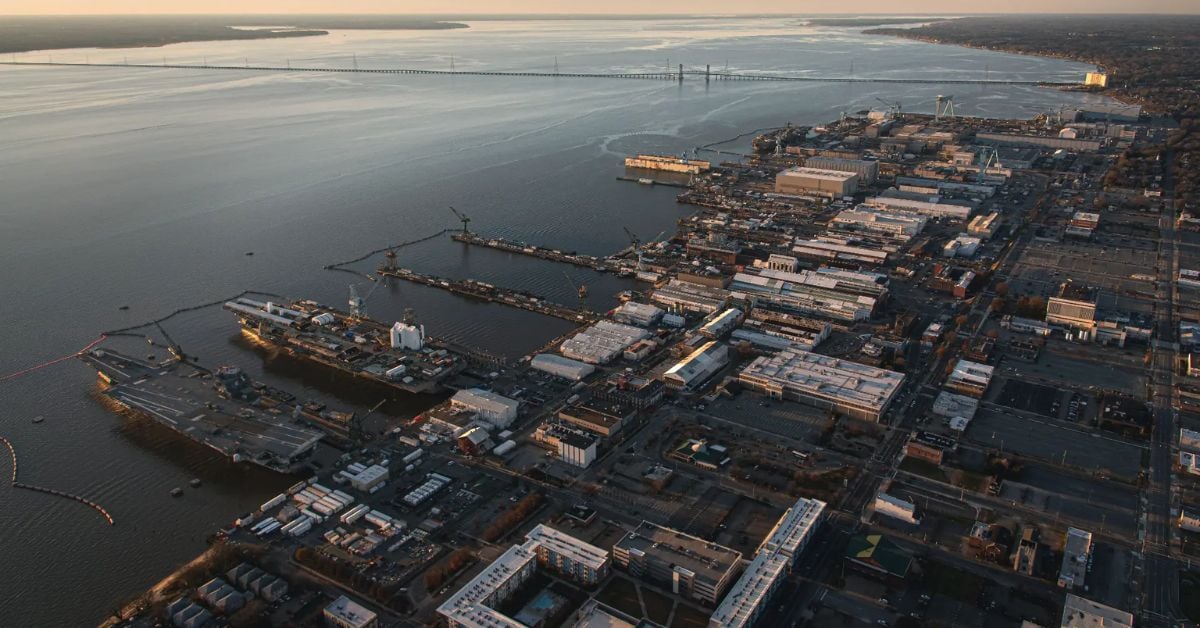
Naval Aviation's Future: HII Secures Contract for Next-Generation Carrier
A $336 million agreement with HII secures the components for CVN 82, a nuclear-powered carrier that will extend the Navy's operational reach. This is a deliberate investment in long-term maritime capability, not a headline-grabbing gesture. The ship represents the kind of sustained, measurable progress that defines modern naval force design. For readers tracking how these platforms fit into a broader picture, our coverage of "China's New Nuclear Carrier Signals Extended Naval Operations Capability" offers useful context.
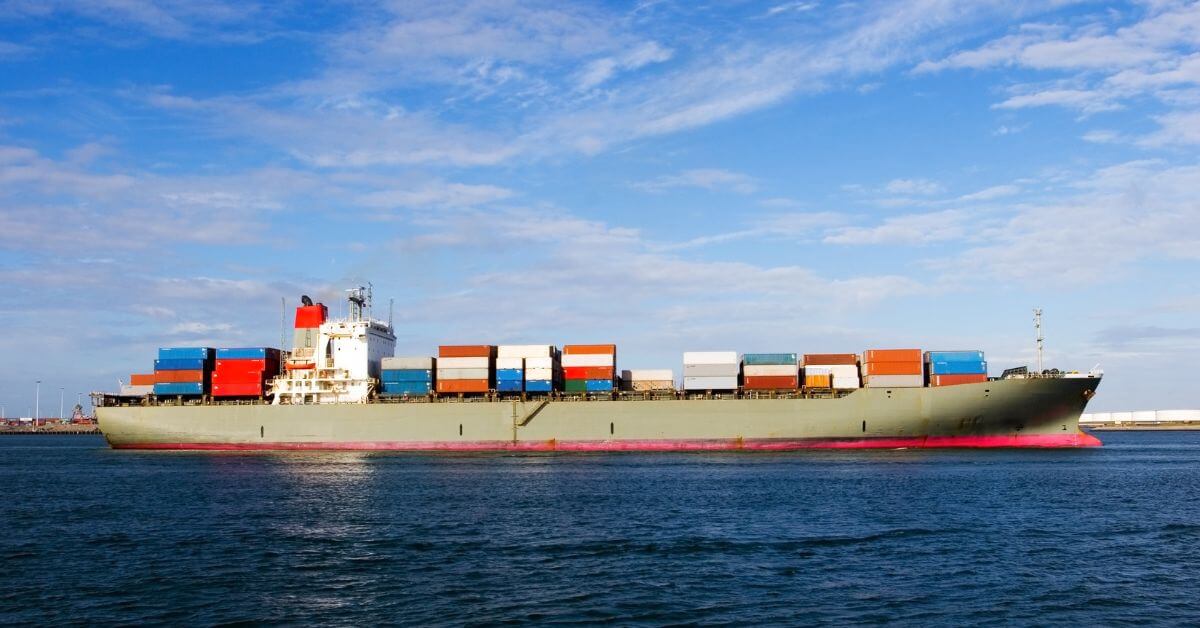
Nuclear-Powered Shipping Route Explored in Transatlantic Collaboration
A transatlantic partnership has launched to explore a nuclear-powered shipping route, with Lloyd's Register, Maersk, and the ports of Charleston and Felixstowe collaborating on the Pink Corridor project. The initiative reflects a measured, forward-looking approach to decarbonizing maritime transport, one grounded in feasibility rather than hype. Nuclear propulsion remains a complex proposition, but this kind of cross-border, industry-led testing is how real progress gets calibrated. For broader context on maritime chokepoints, our coverage of the Strait of Hormuz reopening offers a timely parallel.

Australia Advances AUKUS Submarine Program with New Shipyard Construction
The Henderson shipyard's new construction phase marks a deliberate step in Australia's 20-year commitment to host nuclear-powered attack submarines. This is infrastructure built for the long haul, not a headline. The project's value lies in its patience and precision, turning a West Australian port into a credible maintenance hub. For readers tracking maritime logistics, our coverage of the bulk carrier freed near Gladstone reminds us that Australian waters demand both advanced capability and practical resilience. This program answers that demand with measured intent.

Kennedy Carrier's Sea Trials Validate Integrated Systems Performance
Three days at sea. That was all it took for Kennedy Carrier to demonstrate that its integrated systems are ready for the demands ahead. Departing Newport News on Aug. 12 and returning Aug. 15, the vessel completed a rigorous series of evaluations targeting key operational components. The results are a practical measure of readiness, not a promise. For those tracking the Navy's broader push toward networked capabilities, this trial offers a concrete data point.

Australia Integrates Combat Systems for Virginia-Class Submarine Fleet.
The Australian Submarine Agency has awarded Lockheed Martin a two-year, AUD$26.5 million contract to integrate combat systems for the Virginia-class submarine fleet. It is a measured step, but one that signals serious intent. Precision here is not optional; it is foundational to credible deterrence. This work will define how effectively the fleet operates in a contested region. For broader context on regional maritime pressures, our piece on India's expanded naval fleet projections offers a useful counterpoint to Australia's own strategic trajectory.

Naval Investment: Trump-Class Battleships to Reach $275 Billion
The Trump-Class Battleship program carries a $275 billion price tag, with the lead vessel alone reaching $23.4 billion. That is a staggering commitment, but it signals a deliberate move toward sustained maritime dominance. We see this as a statement of intent, not just a budget line. For context on how other nations are scaling their fleets, our coverage of India's expanded naval projections offers a useful counterpoint. Battleship investments of this scale demand scrutiny, yet they underscore a clear strategic calculus.

Expanding Osborne: Australia Bolsters AUKUS Submarine Infrastructure Investment
Australia is injecting another $4.6 billion into the Osborne shipyard, a decisive step for the AUKUS submarine program. This is not just about steel and drydocks; it is about building a sovereign capability that will anchor regional security for decades. The scale of investment signals a long-term commitment, one that demands rigorous oversight and transparent reporting to the public. For context on Australia's maritime environment, our recent coverage of the Gladstone grounding offers a useful counterpoint to this industrial ambition.

Enhanced Admiral Nakhimov Integrates Advanced Missile Defense Capabilities.
The Admiral Nakhimov's return to service marks a measured, deliberate step in naval modernization. With 80 universal vertical launch cells for heavy strike missiles and 96 long-range surface-to-air launchers, this is not a boast but a calibrated enhancement of maritime defense. The integration is precise, the capability tangible. As Russia also recalibrates export revenue for its Northern Sea Route icebreaker fleet, the pattern is clear: strategic investment in naval power remains a priority. This is ocean intelligence applied to statecraft, plain and effective.