21 Rescued After Two Merchant Ships Collide Off India’s Gujarat Coast
Our take
The recent collision between the MV KMAX EMPEROR and another merchant vessel off the coast of Gujarat, India, resulting in a Coast Guard rescue of 21 crew members, underscores a concerning trend of maritime incidents occurring amidst heightened geopolitical instability. This event, while thankfully resulting in minimal loss of life, arrives against a backdrop of escalating tensions in key shipping lanes, as demonstrated by the recent attacks on ships carrying Indian crew near the Gulf 3 Ships Carrying Indian Crew Attacked Near Gulf Amid West Asia Conflict and the broader reports of attacks in the Strait of Hormuz Iran Claims Attacks On 10 Ships Near Strait Of Hormuz After US Sinks 5 Iranian Tankers. The proximity of this incident to those events highlights the increasing risk factors for commercial shipping in vital global trade routes, demanding a re-evaluation of maritime safety protocols and navigational strategies. The incident also serves as a stark reminder of the human cost of such events, even when rescue operations are successful; the three crew members still missing are a critical concern.
The causes of the collision itself remain under investigation, but preliminary reports suggest the possibility of navigational error or equipment malfunction. Regardless of the immediate trigger, the broader context is crucial. Increased naval presence, heightened security concerns, and the potential for miscalculation all contribute to a more hazardous operating environment for merchant vessels. Consider the tragic events involving the MV June Aster, where a fire resulted in significant loss of life Video: 5 Dead, Dozens Missing After Passenger Ferry Catches Fire Off Philippines, illustrating the fragility of maritime safety even under seemingly routine conditions. The interconnectedness of global trade means disruptions in these vital waterways have cascading economic consequences, impacting supply chains and potentially fueling inflationary pressures. Accurate and real-time data on vessel traffic, weather patterns, and geopolitical risks are increasingly vital for informed decision-making and risk mitigation.
The implications extend beyond immediate safety concerns. This incident reinforces the need for enhanced maritime domain awareness, utilizing integrated data ecosystems to provide a comprehensive and validated picture of the operational environment. Longitudinal data analysis of near-miss incidents and collisions can identify patterns and vulnerabilities, informing preventative measures and improving navigational safety. Furthermore, the potential for cyberattacks targeting shipboard systems and port infrastructure represents an evolving threat that demands robust cybersecurity protocols and continuous monitoring. The current situation calls for a collaborative effort involving governments, shipping companies, and maritime authorities to enhance safety standards, improve communication protocols, and ensure the security of vital shipping lanes. Peer-reviewed research on maritime risk assessment and mitigation strategies is paramount in developing evidence-based solutions.
Ultimately, this incident prompts a critical question: how can we leverage technological innovation and global collaboration to proactively mitigate the growing risks facing commercial shipping? The development of more sophisticated predictive models, incorporating climate indicators and real-time data streams, could provide early warnings of potential hazards. Calibrated sensor networks and integrated data platforms, coupled with rigorous training for maritime personnel, are essential components of a resilient and secure maritime environment. The focus must shift from reactive responses to proactive risk management, ensuring the safety of seafarers and the stability of global trade in an increasingly complex and unpredictable world.
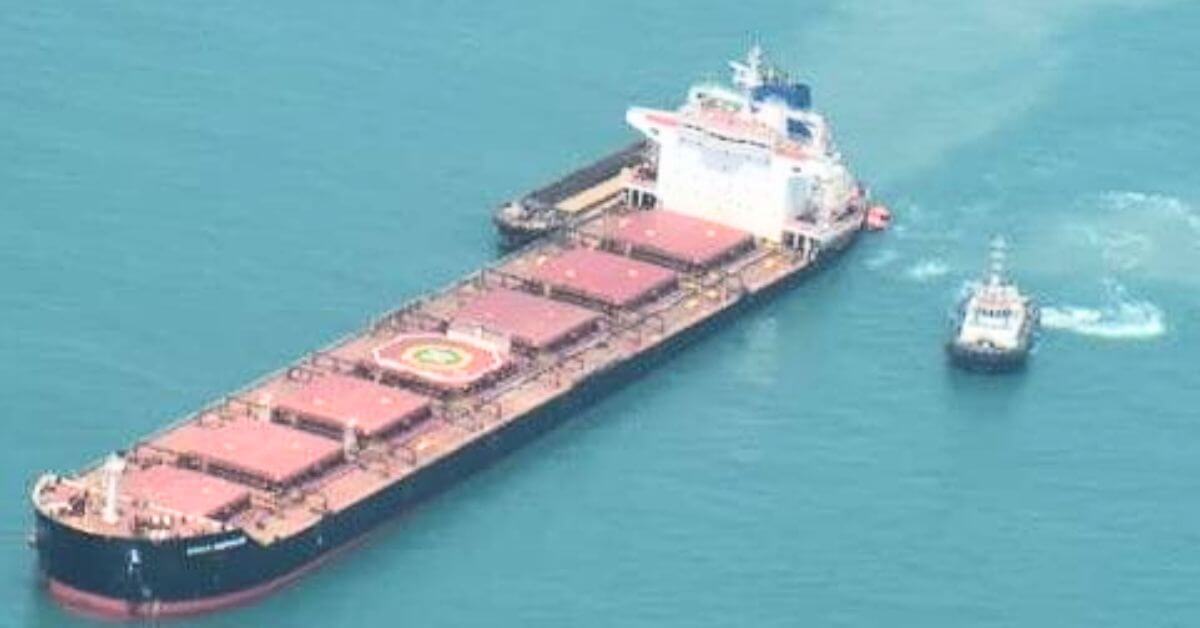
Twenty-one crew members were safely evacuated after two merchant vessels collided near the outer anchorage of Kandla off Gujarat, the Indian Coast Guard reported on Friday.
The vessels involved were MV KMAX EMPEROR and MV TRUE MARINER. The collision took place near outer anchorage OTB Kandla, according to the Coast Guard.
The Coast Guard launched a rescue operation after the collision and evacuated 21 of the 24 crew members aboard MV KMAX EMPEROR.
Three crew members remained onboard the vessel to support its operations, the Coast Guard said.
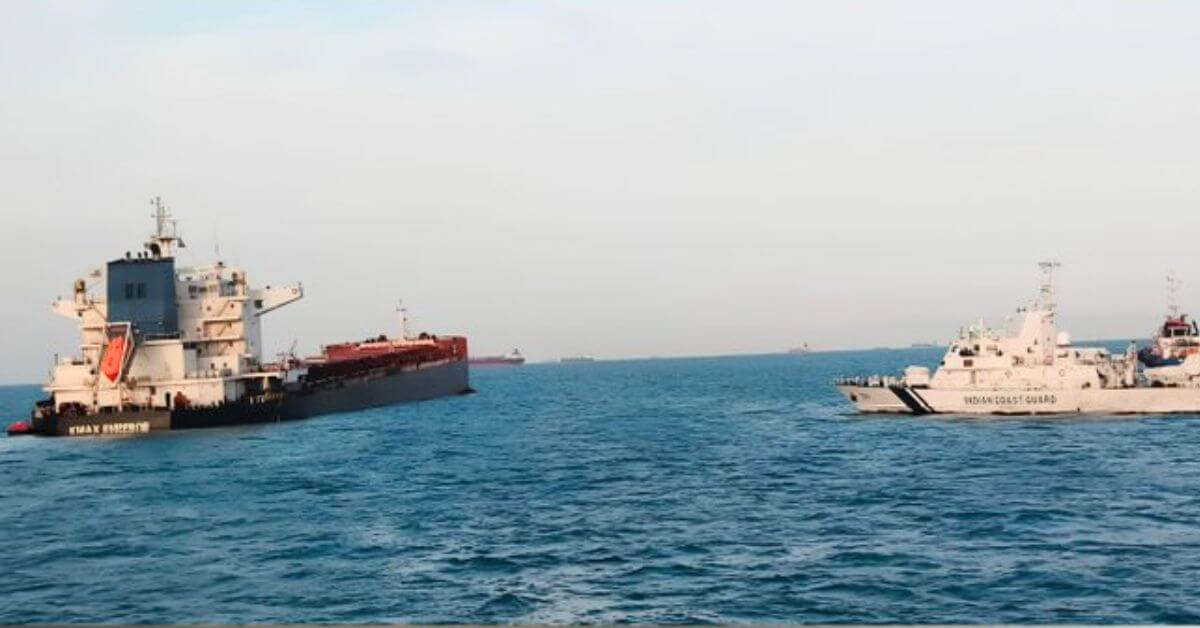
The Coast Guard also activated pollution response measures after the collision. It is working with the Directorate General of Shipping, central agencies and the state administration as part of the response.
The Coast Guard said it remains alert and is monitoring the situation.
The rescue operation was confirmed in a post on X, which included visuals from the operation.
The Coast Guard said the response is focused on maritime safety and protecting the coastal ecosystem of Gujarat.
The Coast Guard has not given details about what caused the collision or the condition of the two vessels.
References: indiatoday, Hindustan Times
Read on the original site
Open the publisher's page for the full experience