Ust-Luga
Ust-Luga at World Data Ocean is a file of 6 stories. The newest of them: “Geopolitical Tensions Surface in Baltic as Drone Strike Targets Russian Corvette”, “Baltic States Call for EU to Halt Russian Grain Transit Amid Trade Route Shifts”, and “150 vessels idle in Gulf of Finland as Baltic maritime traffic bottlenecks”. A drone strike on a Russian corvette in the Gulf of Finland has injected new geopolitical tensions into Baltic waters. The Baltic States have formally called on the EU to halt the transit of Russian grain through European ports and transport routes, a direct response to shifting trade dynamics. A Global Hub for Ocean Intelligence 4 World Data Ocean is a centralized digital platform where researchers, scientists, and ocean enthusiasts converge to… The list below is every Ust-Luga story on World Data Ocean, newest first.
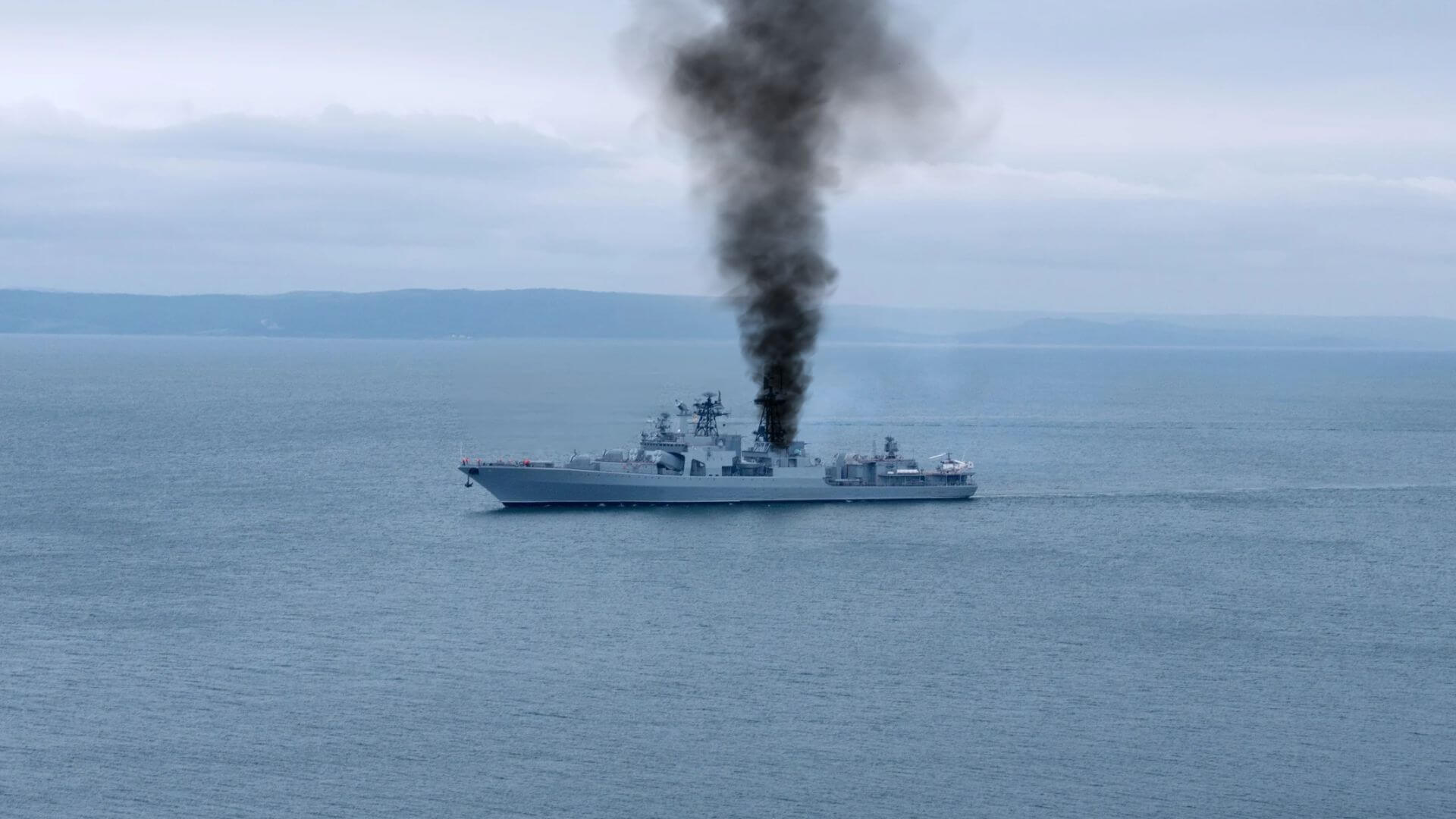
Geopolitical Tensions Surface in Baltic as Drone Strike Targets Russian Corvette
A drone strike on a Russian corvette in the Gulf of Finland has injected new geopolitical tensions into Baltic waters. Ukraine claims responsibility for the hit on the Naro-Fominsk, while Finland's military confirms it detected the attack. This incident underscores how maritime domains increasingly become arenas for conflict. For deeper context on recent seafarer tragedies in volatile waters, read our related coverage of the *Tragedy in the Gulf: Filipino Seafarer Lost in Tanker Explosion*.
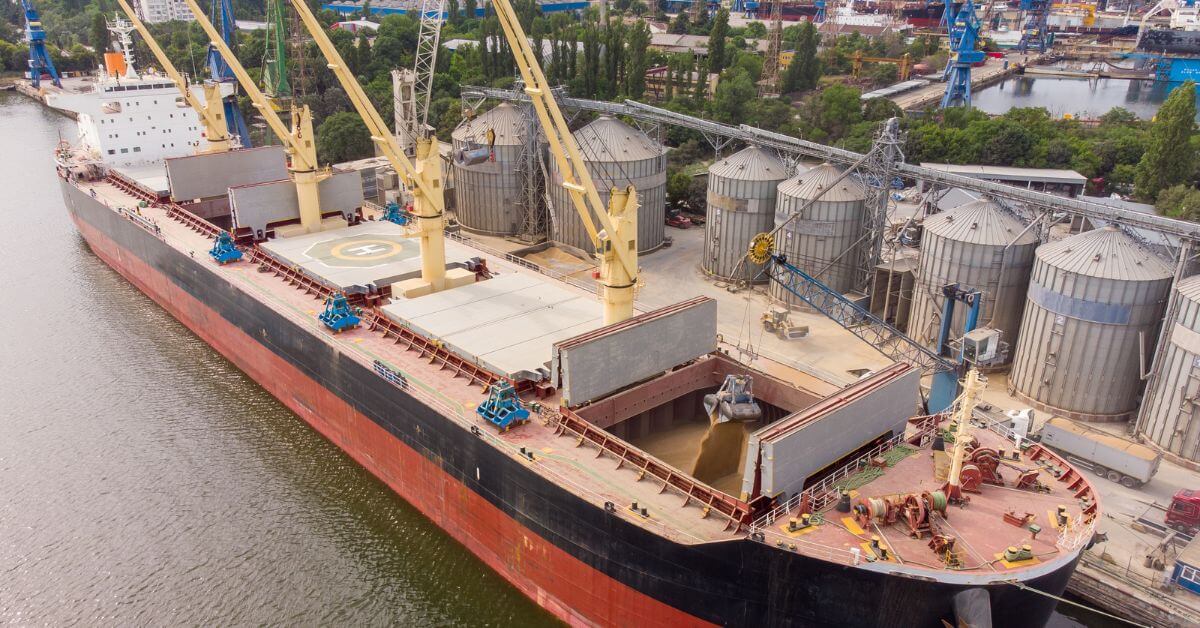
Baltic States Call for EU to Halt Russian Grain Transit Amid Trade Route Shifts
The Baltic States have formally called on the EU to halt the transit of Russian grain through European ports and transport routes, a direct response to shifting trade dynamics. This measured policy intervention prioritizes verified trade data over reactive measures. For deeper context on how global trade patterns are evolving alongside climate indicators, see our related piece on China's electric vehicle acceleration. Understanding trade flows is essential to calibrating effective, collaborative policy.
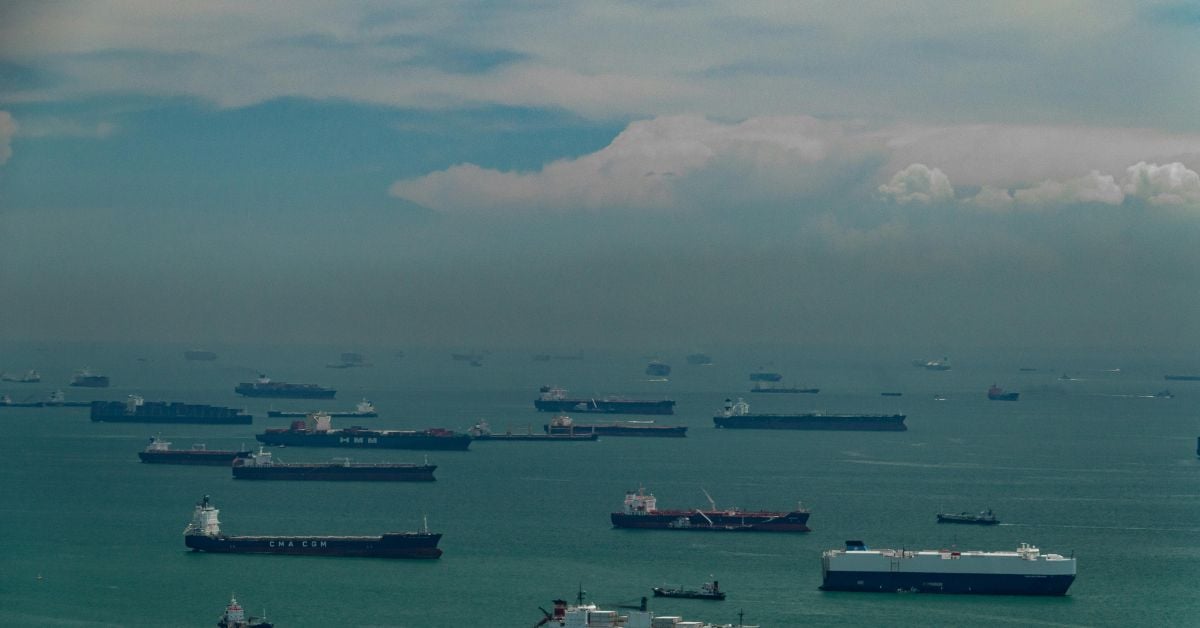
150 vessels idle in Gulf of Finland as Baltic maritime traffic bottlenecks
Nearly 150 vessels sit idle in the Gulf of Finland, a maritime bottleneck gripping Baltic traffic to Russian ports such as Ust-Luga, Primorsk, and St Petersburg. This congestion is more than a logistical snag, it is a measurable disruption in a region already under scrutiny. Such real-time bottlenecks carry empirical weight as climate and geopolitical indicators. For deeper context on maritime security, see our coverage of the captain charged over Ukrainian grain. Understanding these pressures drives protection of both trade and ocean intelligence.
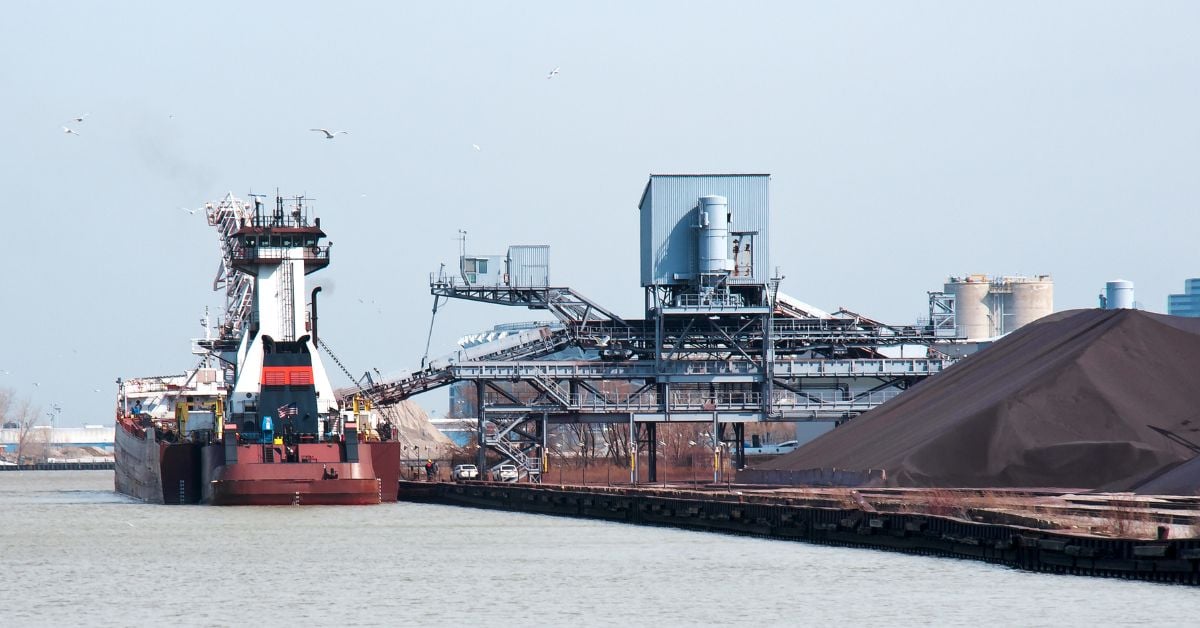
Shifting Cargo: Russian Terminals Adapt for Grain Export Surge
The Baltic and Arctic terminals that once moved fertiliser and coal are now turning to grain, a pragmatic response to shifting export demands. It is a quiet recalibration of infrastructure, and one that speaks to how quickly trade flows can redirect. Russia is adapting its logistics to stay competitive, and that flexibility is worth watching. For broader context on how export routes are evolving, our piece on Russia Calibrates Export Revenue for the Northern Sea Route Icebreaker Fleet offers a useful parallel.

Captain Faces Charges as Russian Tanker Incident Draws Scrutiny
Accountability in maritime operations rarely falls on one person, but it often lands on one. Captain Pant now faces charges while the other 24 crew members have largely returned home, a striking divergence in responsibility that warrants attention. This incident demands scrutiny, not just for what happened, but for how liability is assigned across ranks. For broader context on escalating regional tensions, our related piece, "Strikes Target Ports and Vessels in Confirmed Military Action," offers useful perspective.

Northern Sea Route Opens: China Ship Arrives at Murmansk Port
The Xin Xin Hai 1 arrived at Murmansk Port on Wednesday night, carrying roughly 500 containers of automotive components. This transit along the Northern Sea Route signals a measurable shift in Arctic logistics. China's reach into these waters is no longer theoretical; it is operational. The voyage demonstrates how climate indicators and commercial strategy now intersect. For deeper context on regional maritime pressures, our piece on strikes targeting ports and vessels offers a contrasting picture of vulnerability.