sea trials
13 stories filed under sea trials on World Data Ocean. The newest of them: “Rubis joins Suffren class as fifth nuclear submarine enters sea trials”, “Six Rotor Sails Deliver Measurable Wind Propulsion to the World's Largest RoRo Vessel”, and “First Ammonia-Powered Bulk Carrier Validates Real-World Ocean Readiness”. The fifth Suffren-class nuclear attack submarine, *Rubis*, is now ready for fitting out and sea trials, marking a measurable advance in France's underwater capability. Six rotor sails now propel the world's largest RoRo vessel. A Global Hub for Ocean Intelligence 4 World Data Ocean is a centralized digital platform where researchers, scientists, and ocean enthusiasts converge to… The list below is every sea trials story on World Data Ocean, newest first.
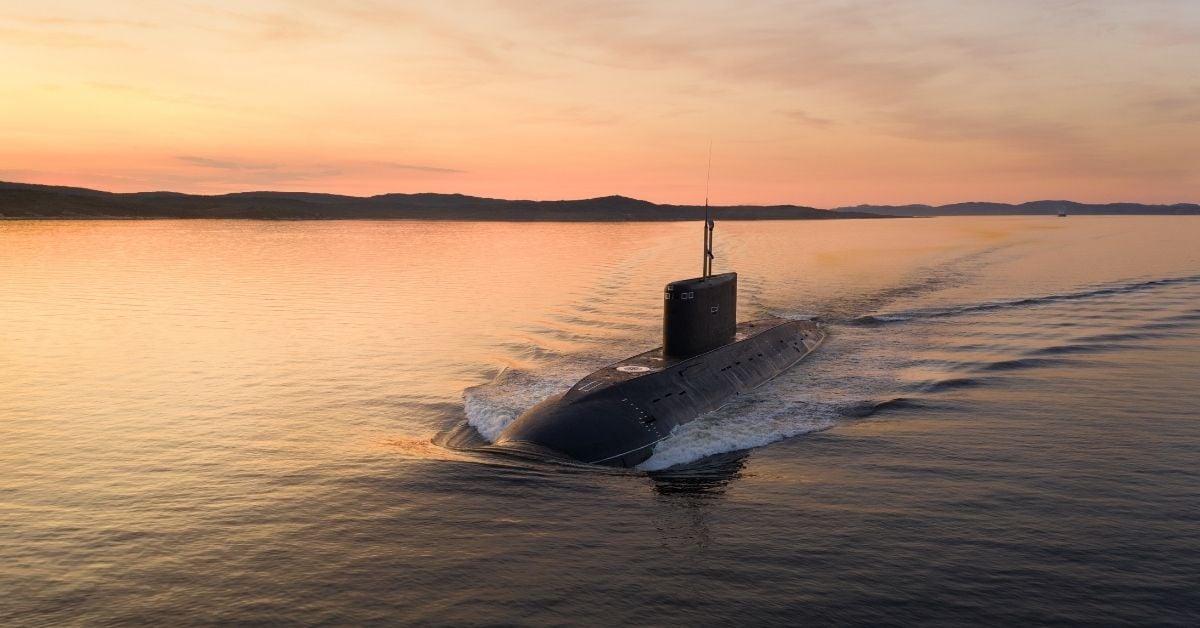
Rubis joins Suffren class as fifth nuclear submarine enters sea trials
The fifth Suffren-class nuclear attack submarine, *Rubis*, is now ready for fitting out and sea trials, marking a measurable advance in France's underwater capability. This is not merely a construction milestone; it represents a validated step forward in integrated naval power. For deeper context on how allied nations are validating maritime innovation, see our coverage of the first ammonia-powered bulk carrier's successful sea trials. Understanding these parallel developments strengthens our shared ocean intelligence.
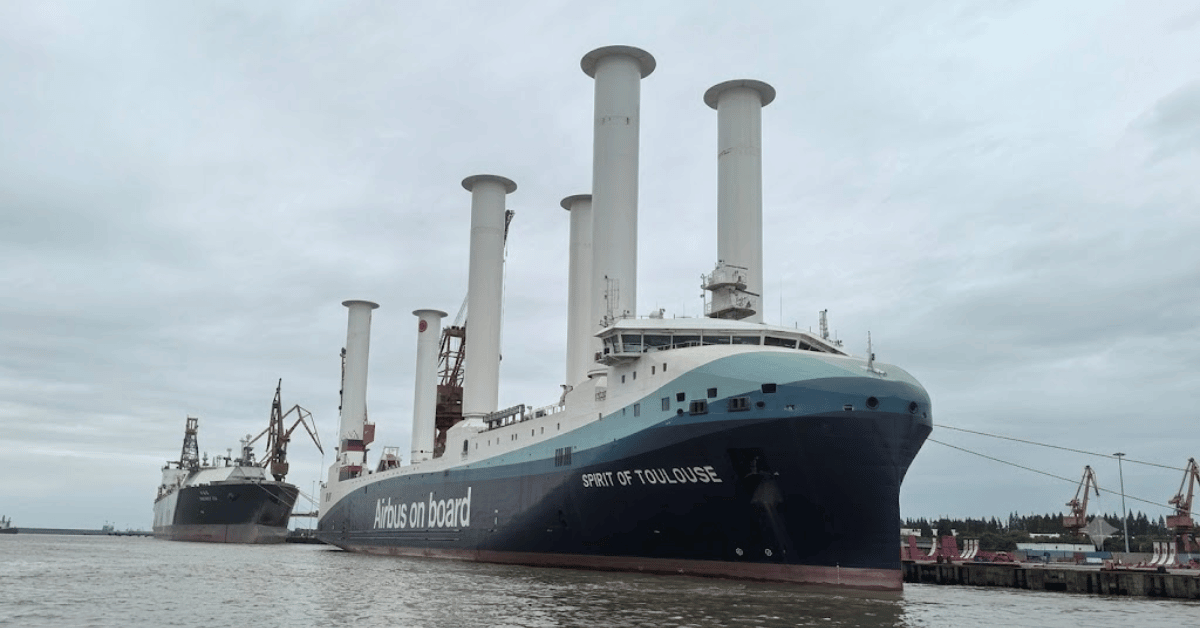
Six Rotor Sails Deliver Measurable Wind Propulsion to the World's Largest RoRo Vessel
Six rotor sails now propel the world's largest RoRo vessel. LD Armateurs and Norsepower have installed the technology on *Spirit of Toulouse*, delivering validated, measurable wind propulsion at commercial scale. This is not a pilot; it is an integrated system generating real-time fuel savings and verified emissions reduction. Wind propulsion works now. For deeper insight into wind-driven design innovation, see our coverage of Wallenius Marine's WinPrOVeDD program. Understanding drives protection.
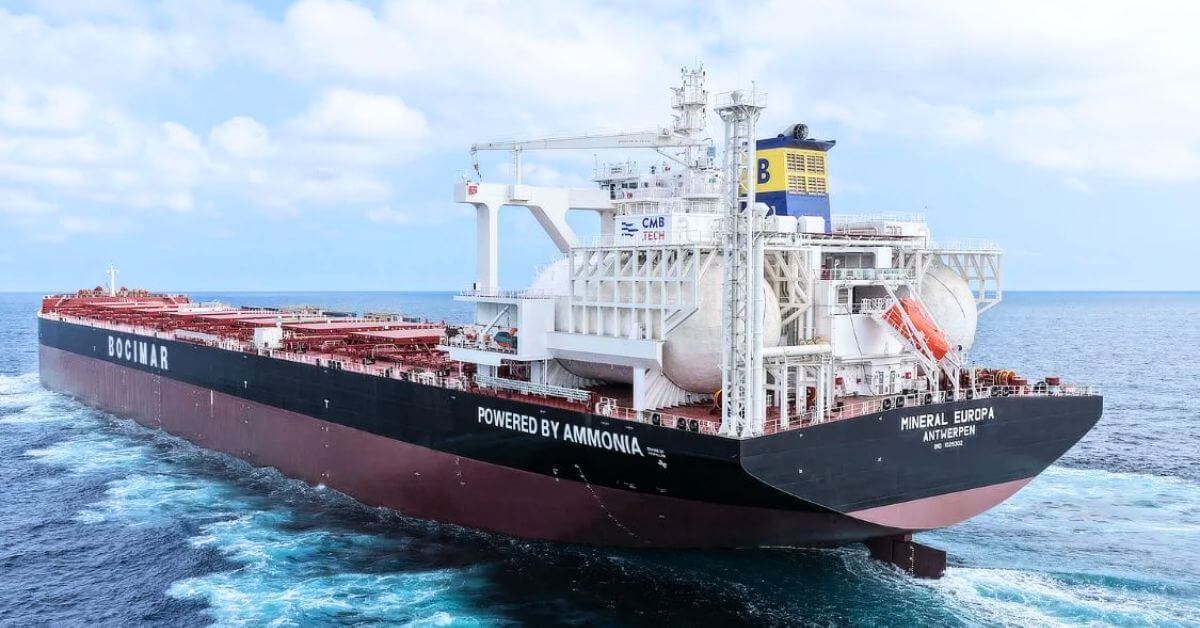
First Ammonia-Powered Bulk Carrier Validates Real-World Ocean Readiness
The *Mineral Europa*, the world's first ammonia-fueled dry bulk carrier, has completed sea trials and is heading for Australia. This is not a lab test. This is a ship, loaded with ore, crossing an ocean on a fuel that emits no CO₂. Validation at this scale matters. Measured, real-world performance is what turns ambition into a viable path forward. For more on how empirical data drives decarbonization, see our piece tracking the measured decline in solar costs.
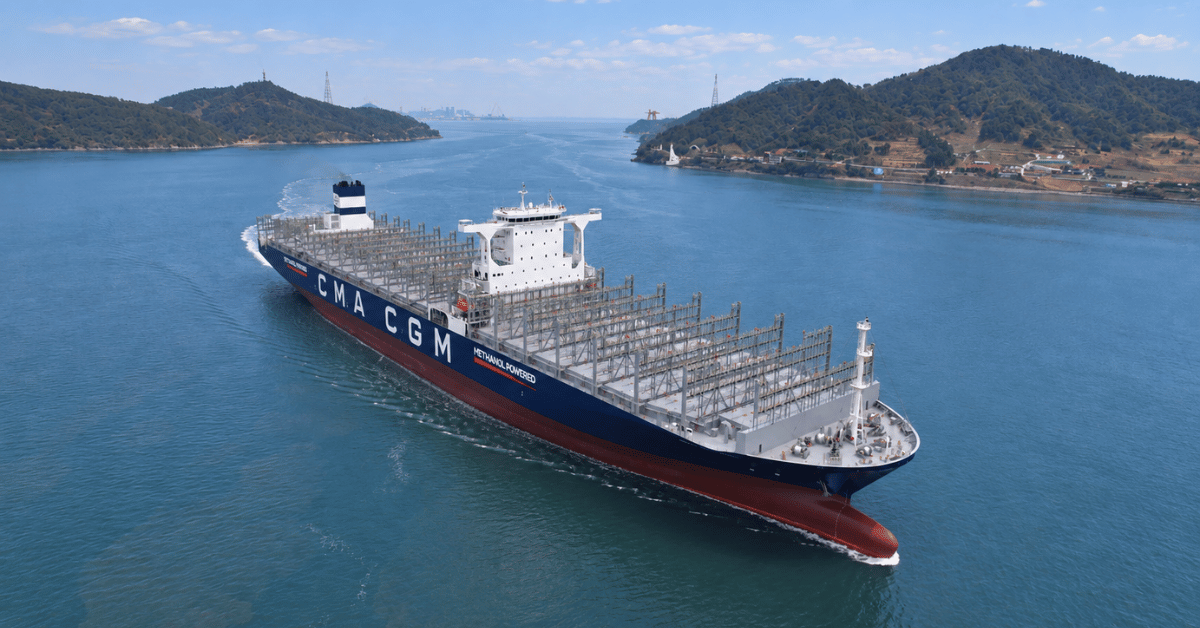
New container ship design eliminates manual lashing to boost capacity and safety
Manual lashing has long been a bottleneck in container shipping, a labor-intensive process that limits both capacity and crew safety. HD Hyundai's new lashing-free container ship changes that calculus. By eliminating manual securing, the design boosts cargo capacity while reducing risk for workers. This is measurable innovation: empirical gains in efficiency paired with validated safety improvements. For deeper context on how maritime operations are evolving, see our coverage of the coordinated medical evacuation in the Andaman Sea.
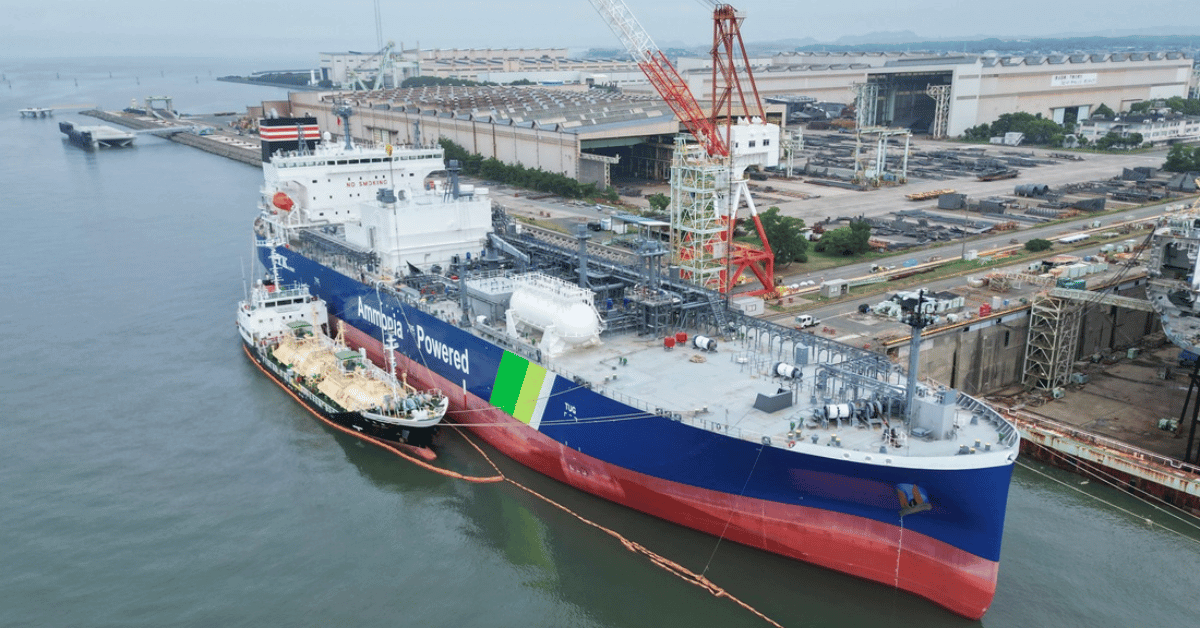
Ammonia Bunkering Milestone: Pioneering Sustainable Shipping Practices
NYK Line and its Japanese partners have completed the world's first ship-to-ship ammonia bunkering operation on an ammonia-fuelled vessel, a measured step toward decarbonizing maritime transport. This is not flashy; it is empirical progress. The operation validates a practical pathway for integrating alternative fuels into existing logistics chains. For those tracking how ports and fleets evolve, this milestone complements the validated design of an LNG-ammonia bunkering vessel we covered earlier. Together, these developments signal a deliberate, data-driven shift in how the industry powers its ships.
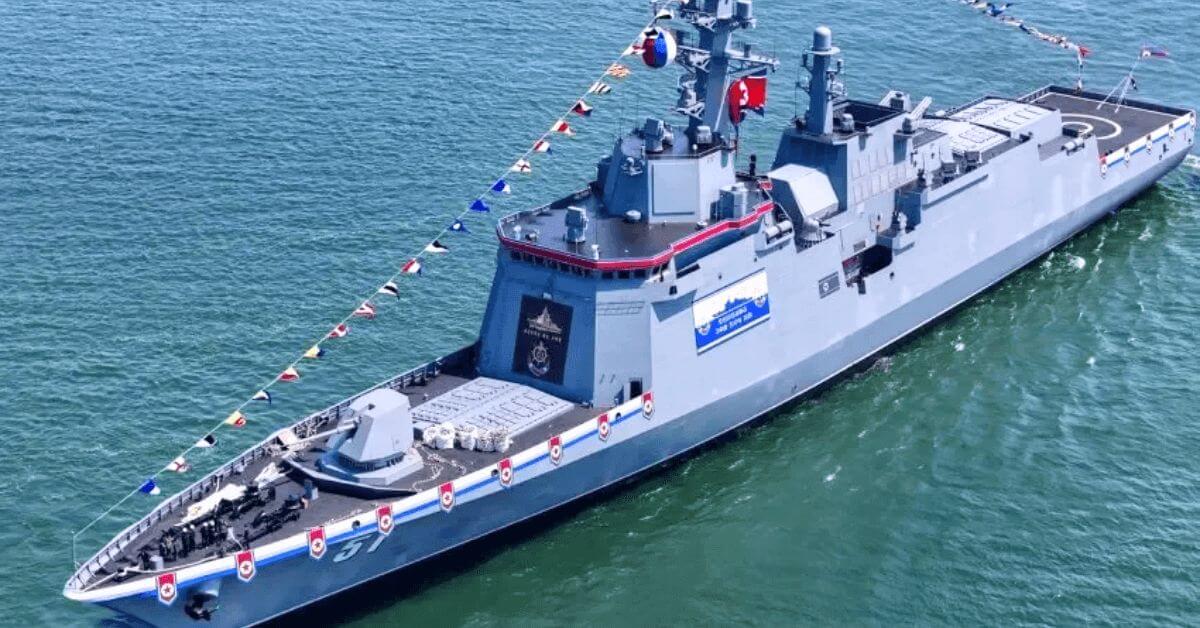
North Korea Launches Nuclear-Capable Destroyer Amidst Military Exercises
North Korea commissioned a nuclear-capable destroyer just as the United States, South Korea, and Japan prepared to launch their five-day Freedom Edge exercise. The timing is deliberate, a signal of resolve that widens an already tense maritime theater. Warships are political statements, and this one speaks clearly. For a fuller picture of regional naval competition, see our piece on India's projected fleet expansion. Understanding these moves matters; the ocean is where deterrence meets diplomacy.
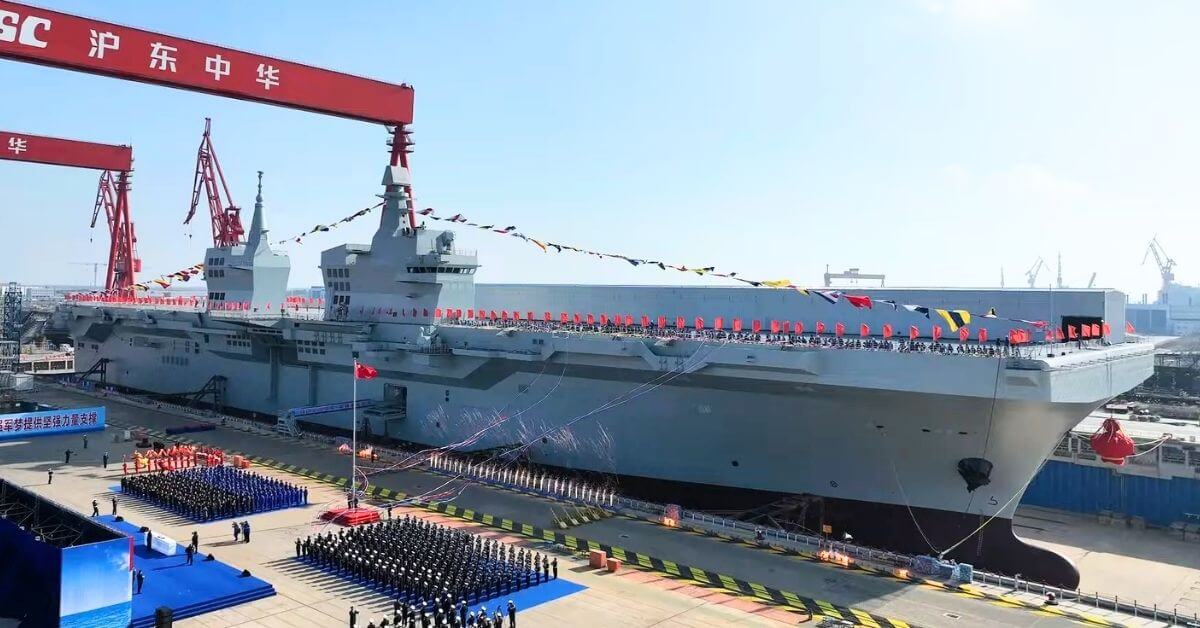
China's New Carrier Signals Shift in Maritime Drone Capabilities
China's newest carrier mounts an electromagnetic launch system, a capability that could extend the reach of fixed-wing drones like the GJ-21. That is not a small upgrade; it changes how naval air power projects from the sea. The system points toward a future where unmanned platforms carry more of the operational load. Our coverage of Indonesia's first carrier and the ammonia bunkering milestone shows the same pattern: naval power and its logistics are being rethought. This ship is another calibrated step in that direction.
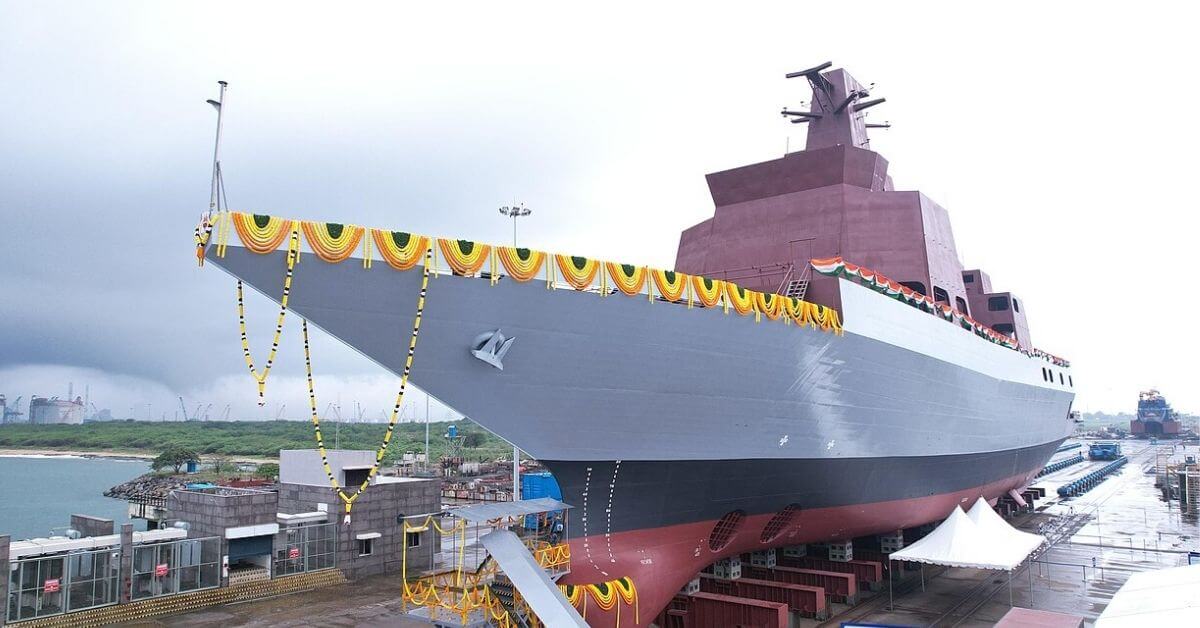
Advancing Maritime Capabilities: India's New Multi-Purpose Vessel Deploys.
India's new multi-purpose vessel brings a practical edge to maritime training, launching and recovering aerial, surface, and underwater targets for gunnery and anti-submarine exercises. That capability matters: realistic drills depend on reliable assets, not just theory. It is a measured step toward readiness, consistent with the Indian Navy's broader push to expand its fleet by 2040-2045, as outlined in our piece on India's projected naval growth. Calibrated investment like this keeps capabilities honest and operational.

Kennedy Carrier's Sea Trials Validate Integrated Systems Performance
Three days at sea. That was all it took for Kennedy Carrier to demonstrate that its integrated systems are ready for the demands ahead. Departing Newport News on Aug. 12 and returning Aug. 15, the vessel completed a rigorous series of evaluations targeting key operational components. The results are a practical measure of readiness, not a promise. For those tracking the Navy's broader push toward networked capabilities, this trial offers a concrete data point.

Kennedy Carrier Trials Begin Amid Shift in Navy Propulsion Strategy
The USS John F. Kennedy has begun acceptance sea trials, yet the Navy's propulsion strategy is already pivoting. President Trump's order to strip EMALS from the future USS Doris Miller in favor of steam catapults signals a deliberate retreat to proven technology. It is a pragmatic, if conservative, choice. While innovation drives us forward, reliability remains the anchor of operational readiness. For deeper context on how global shipbuilders are adapting their own capabilities, see our coverage of Cochin Shipyard's recent design expansion.

Sichuan Warship Validates Electromagnetic Catapult System in Live-Fire Test
The Sichuan's live-fire launch of countermeasures marks a tangible step in validating its electromagnetic catapult system. This is not a ceremonial display; it is calibrated, empirical progress. State media footage confirms the warship is moving from integration to active testing, a phase that demands precision and patience. Such milestones matter because they translate complex engineering into measurable capability. For readers tracking regional naval developments, our coverage of India's expanded fleet plans offers useful context on how these capabilities are reshaping maritime strategy.

Healy Icebreaker Returns to Seattle Following Engineering Casualty During Trials
The Healy's unplanned return to Seattle on July 13, towed by tugboats after an engineering casualty interrupted its trials, is a stark reminder that even the most capable vessels answer to the sea's unforgiving standards. The Coast Guard's concise statement leaves the damage unspoken, yet the disruption underscores a hard truth: reliability is the quiet backbone of polar operations. As Russia calibrates export revenue for its own icebreaker fleet, the contrast sharpens, our maritime ambitions must be matched by mechanical resilience.

Enhanced Admiral Nakhimov Integrates Advanced Missile Defense Capabilities.
The Admiral Nakhimov's return to service marks a measured, deliberate step in naval modernization. With 80 universal vertical launch cells for heavy strike missiles and 96 long-range surface-to-air launchers, this is not a boast but a calibrated enhancement of maritime defense. The integration is precise, the capability tangible. As Russia also recalibrates export revenue for its Northern Sea Route icebreaker fleet, the pattern is clear: strategic investment in naval power remains a priority. This is ocean intelligence applied to statecraft, plain and effective.