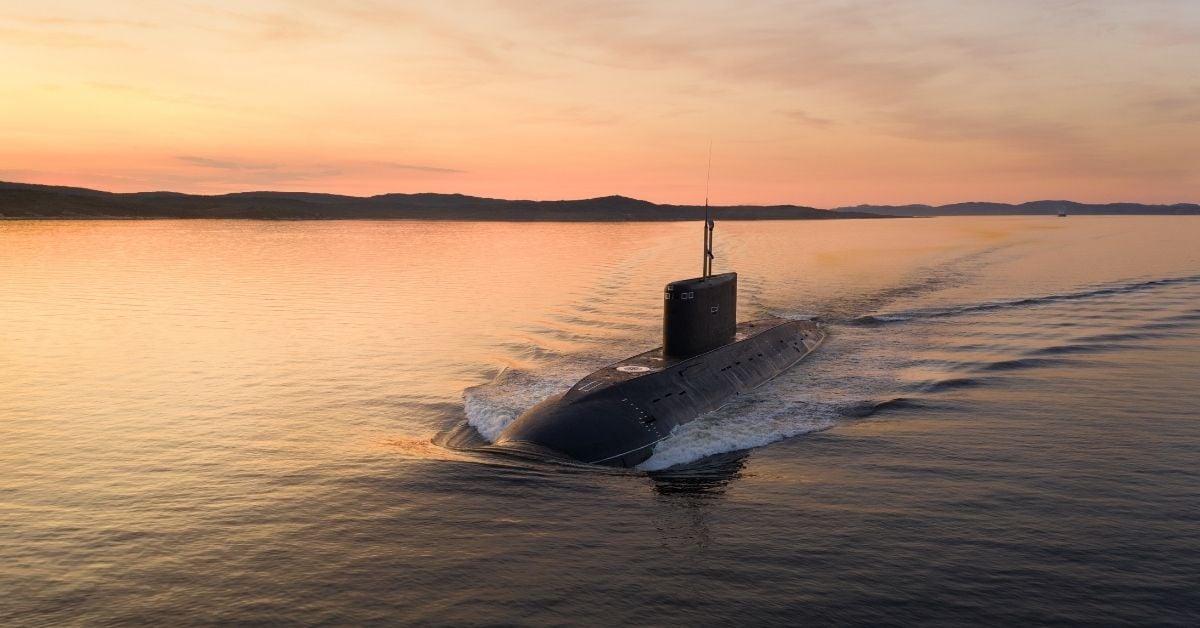
The fifth Suffren-class submarine, Rubis, leaving the Cherbourg construction yard marks a steady, measurable step in France's undersea modernization, and it deserves more attention than a routine fleet update. This is not just another hull sliding into the water; it is the validation of a long-term industrial and strategic bet that the French Navy is making to keep its submarine force relevant for decades. For anyone tracking naval power or climate-driven maritime security, the practical signal here is that the Barracuda program is on schedule, and that matters because undersea capability is increasingly the quiet backbone of global stability.
The Rubis, or S639, is the direct replacement for the Rubis-class boats that have served since the 1980s, and the contrast between the two generations is stark. The new submarine features an X-shaped rear rudder, a pump-jet propulsion system, and a control architecture designed to reduce noise and enhance stealth. These are not cosmetic upgrades; they are calibrated improvements that make the vessel harder to detect and track, which is the core currency of submarine warfare. The Suffren-class also carries a reactor derived from the Le Triomphant-class SSBNs and the Charles de Gaulle, giving it an unlimited operational range constrained only by the 70-day food supply for its crew of 60 to 65. With four 533 mm torpedo tubes and 20 storage slots, it can deploy F21 heavyweight torpedoes, MdCN land-attack cruise missiles, Exocet SM.39 Block 2 anti-ship missiles, and FG29 naval mines. It also has a dry deck shelter and a mobile docking capsule interface for deploying commandos and unmanned undersea vehicles.
This is where the story connects to the broader maritime picture we have been covering. The French frigate Languedoc recently neutralized an airborne threat in the Bab el-Mandeb Strait, and the French Defense Vessel Neutralizes Airborne Threat in Bab el-Mandeb Strait shows how surface assets handle immediate tactical threats. The Suffren-class submarines operate in a different register, built for surveillance, intelligence gathering, and deterrent patrols, often unseen until they choose to act. Meanwhile, the push for cleaner propulsion is visible in projects like the Six Rotor Sails Deliver Measurable Wind Propulsion to the World's Largest RoRo Vessel and the First Ammonia-Powered Bulk Carrier Validates Real-World Ocean Readiness. Those advances reduce the environmental footprint of commercial shipping, but the Suffren-class addresses a different constraint: strategic endurance and survivability under the surface. The ocean is not only a resource to protect; it is also a domain where deterrence must remain credible.
What stands out is the French Navy's decision to modernize the Suffren-class periodically over its lifespan rather than letting it become obsolete. That is a pragmatic, forward-thinking approach that avoids the trap of building a fixed platform and hoping it stays relevant. The sixth submarine, Casablanca, will be built over the coming years, and if the sea trials for Rubis go as planned, the older Rubis-class boats will be entirely replaced by the end of this decade. The specific detail to watch is the timeline of those sea trials, because any delay there would ripple through the entire replacement schedule. For now, the program is holding its course, and that is a concrete, measurable outcome worth acknowledging.