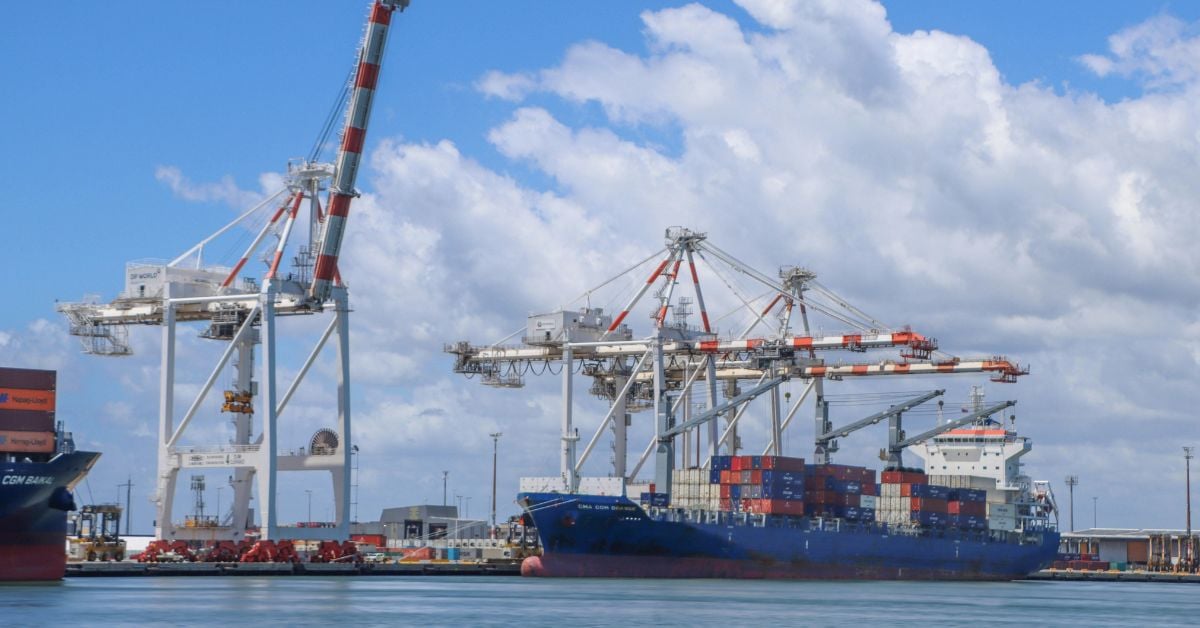
The recent maritime pact between India's Buoyancy Consultants and Germany's Neptune Ship Design GmbH to deliver specialised container, passenger, and research vessels is a practical step forward in a domain where hardware often limits hypothesis. For researchers and policymakers who track ocean intelligence, a new research vessel is not merely a logistical asset, it is a calibrated, mobile platform for empirical data collection. This collaboration matters because the quality of ocean science is directly constrained by the vessels available to carry instruments, deploy sensors, and maintain long-term observational programs. When two nations with distinct maritime engineering traditions agree to co-build, the result is typically a more integrated, fit-for-purpose platform than either could produce alone.
This announcement arrives alongside an important reminder from our own coverage: Bridging Data Gaps: Integrating Citizen Science for Ocean Intelligence highlights how the ocean remains critically under-observed, particularly in coastal zones. A new research vessel built through this Indo-German partnership could directly address that gap, serving as a mobile node in an integrated data ecosystem that connects satellite remote sensing with in-situ validation. Meanwhile, the designation of Paradip Port Designated a Mega Port, Anchors Eastern India's Maritime Growth as a "Mega Port" under the Indian Ports Act, 2025, signals that India is scaling its maritime infrastructure in parallel. A port capable of handling larger vessels and higher throughput creates a natural home port for advanced research ships, reducing turnaround time for scientific cruises and enabling more frequent deployments into the Bay of Bengal.
Our take is straightforward: this pact is most valuable not for the number of vessels contracted, but for what it says about sustained investment in ocean-going infrastructure. Research vessels are long-lead-time assets, often taking three to five years from design to commissioning, and their capabilities determine what questions scientists can ask. A vessel built with German precision in naval architecture and Indian expertise in cost-effective construction can yield a platform that is both validated and affordable, a combination that is rare in the current market. The specific mention of container vessels in the agreement is also worth noting, as containerised laboratories and modular sensor packages are becoming standard for real-time ocean monitoring.
What we would tell a reader who asks about this: watch for the vessel's scientific payload specifications. The difference between a capable research ship and a transformative one lies in its ability to carry multi-frequency sonar, continuous water-column samplers, and calibrated meteorological instruments. If this partnership delivers a vessel that can operate in both tropical and temperate waters with minimal downtime, it will directly support longitudinal climate indicator studies that require consistent, peer-reviewed data across years. The concrete point to track is whether the ship will be designed to accommodate open-data protocols from the keel up, allowing real-time streaming of observations to international repositories. That would turn a bilateral construction project into a genuinely global scientific resource.