reconnaissance
8 stories filed under reconnaissance on World Data Ocean. The newest of them: “Type 076 drone carrier launches and recovers stealth unmanned aircraft at sea”, “Unmanned aircraft launch from amphibious assault ship expands ocean intelligence”, and “Unexplained drone claim in Strait of Hormuz lacks empirical validation”. The Chinese Navy's Type 076 drone carrier successfully launched and recovered a stealth unmanned aircraft at sea last week, a measurable step in operational naval aviation. China's launch of the GJ-21 unmanned aircraft from the amphibious assault ship *Sichuan* marks a calibrated expansion of ocean intelligence from a new platform. A Global Hub for Ocean Intelligence 4 World Data Ocean is a centralized digital platform where researchers, scientists, and ocean enthusiasts converge to… The list below is every reconnaissance story on World Data Ocean, newest first.
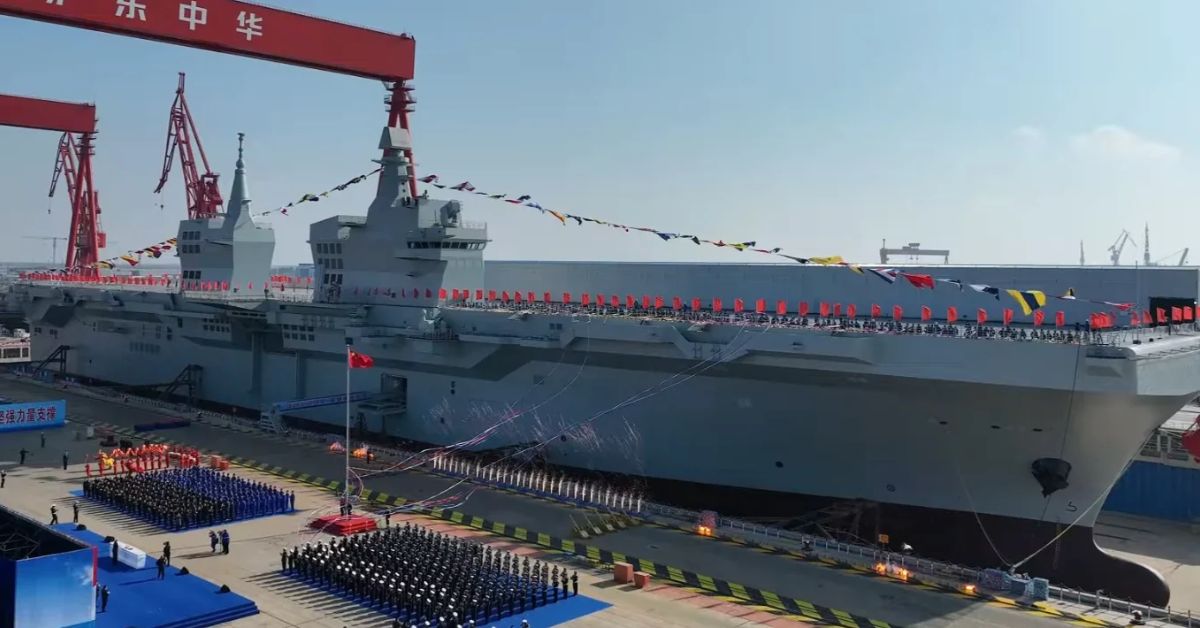
Type 076 drone carrier launches and recovers stealth unmanned aircraft at sea
The Chinese Navy's Type 076 drone carrier successfully launched and recovered a stealth unmanned aircraft at sea last week, a measurable step in operational naval aviation. This is not speculation; it is empirical progress in ocean intelligence. Launching and recovering stealth drones from a dedicated carrier validates a new layer of integrated naval capability. For deeper context on how navies are modernizing their fleets, see our coverage of India's $5.6B corvette order.
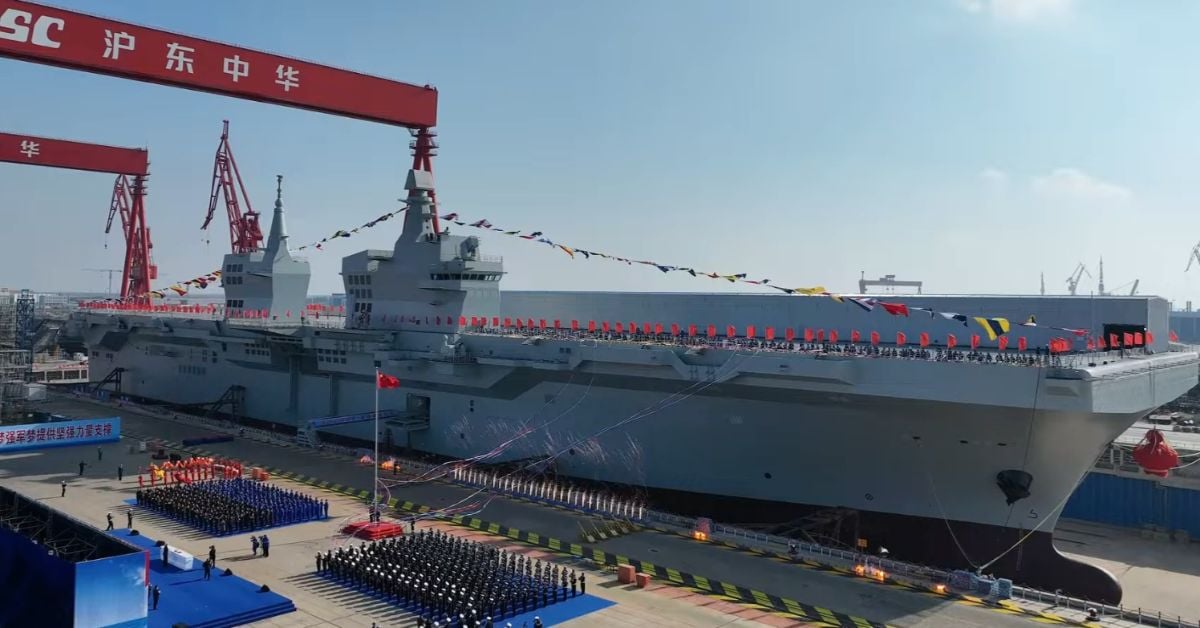
Unmanned aircraft launch from amphibious assault ship expands ocean intelligence
China's launch of the GJ-21 unmanned aircraft from the amphibious assault ship *Sichuan* marks a calibrated expansion of ocean intelligence from a new platform. This integration of strike and reconnaissance capabilities into naval operations reflects a measurable shift in how nations collect real-time data across maritime domains. Understanding these developments matters. For deeper context on operational risks, see our related coverage of the U.S. Navy's recent mishap data.

Unexplained drone claim in Strait of Hormuz lacks empirical validation
Iran's IRGC Navy claims to have captured a US MQM-170 drone intact near the Strait of Hormuz, but the assertion lacks empirical validation. US Central Command has denied the report, leaving a gap between claim and calibrated evidence. In a region where measured data determines stability, unverified assertions risk clouding real-time understanding. For deeper context on the human cost of regional conflict, see our related coverage of the 22 Indian lives lost in West Asia.
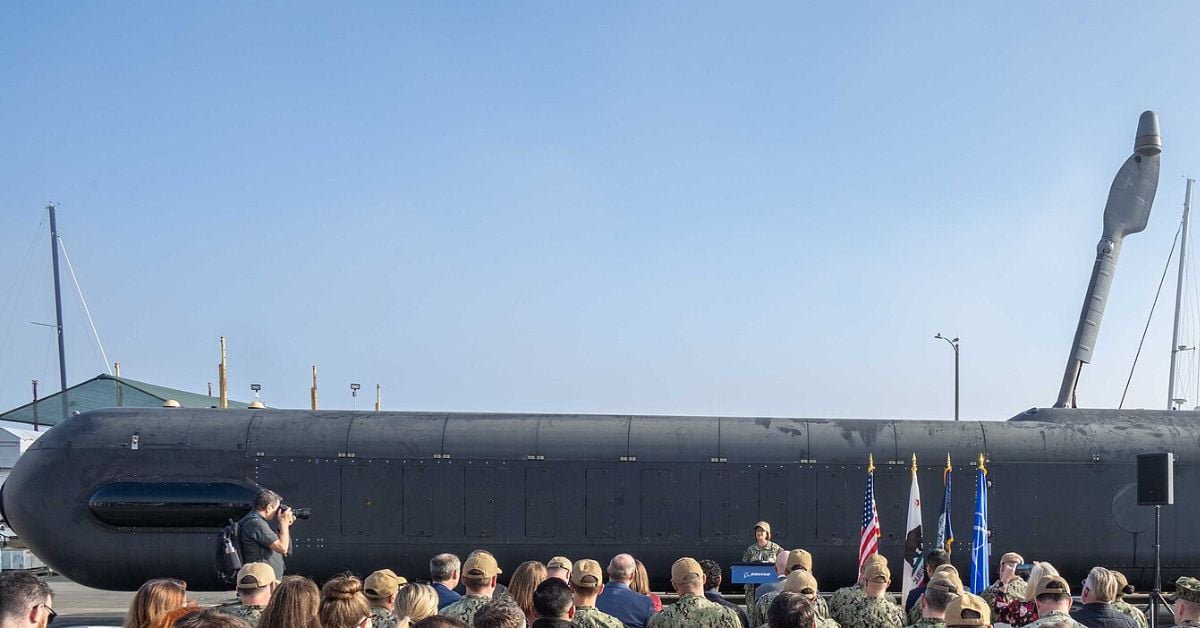
Autonomous submersible extends naval reach 6,500 nautical miles across the Pacific
A single autonomous submersible now extends naval reach 6,500 nautical miles across the Pacific, counting among the largest unmanned underwater systems operated by the U.S. Navy. This is not incremental, it is a calibrated leap in persistent ocean intelligence. The vessel fulfills an operational requirement for the Pacific Theater, where validated, real-time data from the depths is as strategic as any surface asset. For deeper coverage on unmanned integration, see our related piece on the MQ-25A Stingray remote command test.
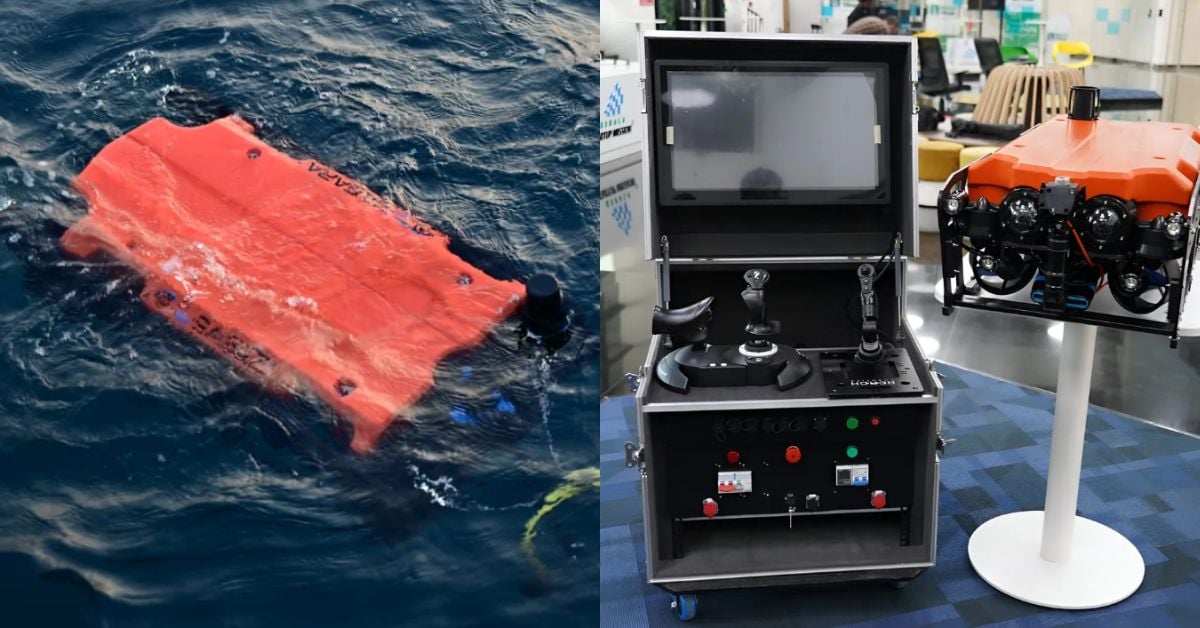
India deploys military-grade ROVs to advance ocean intelligence capabilities
India has deployed two military-grade underwater remotely operated vehicles (ROVs), built by Kerala-based maritime robotics firm EyeROV, to advance its ocean intelligence capabilities. These calibrated, integrated systems represent a measurable leap in real-time ocean data collection. As we noted in our coverage of the new AI and digitalisation pact between China Merchants Energy Shipping and RINA, the maritime sector is increasingly turning to validated technology for safety and emissions goals. Understanding drives protection, from the ocean floor to the surface.
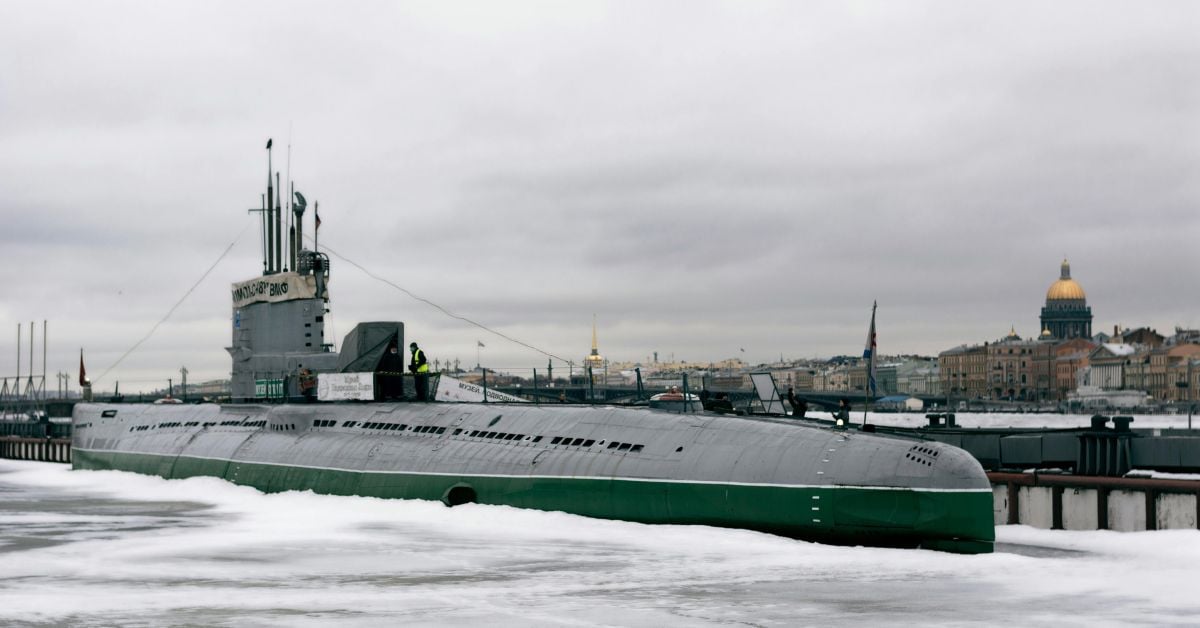
Allied Submarine Operation Surfaces British Commandos Off Scottish Coast
A German submarine surfaced off the Scottish coast with British commandos aboard, part of the largest exercise involving these elite forces in 15 years. The operation demands precision under pressure, a calibrated demonstration of allied capability in complex maritime environments. This is not spectacle; it is preparedness. For deeper context on underwater strategic assets, see our coverage of *Canada's Patrol Submarine Project Charts a Calibrated Course for Sovereign Ocean Intelligence*. Understanding drives protection.
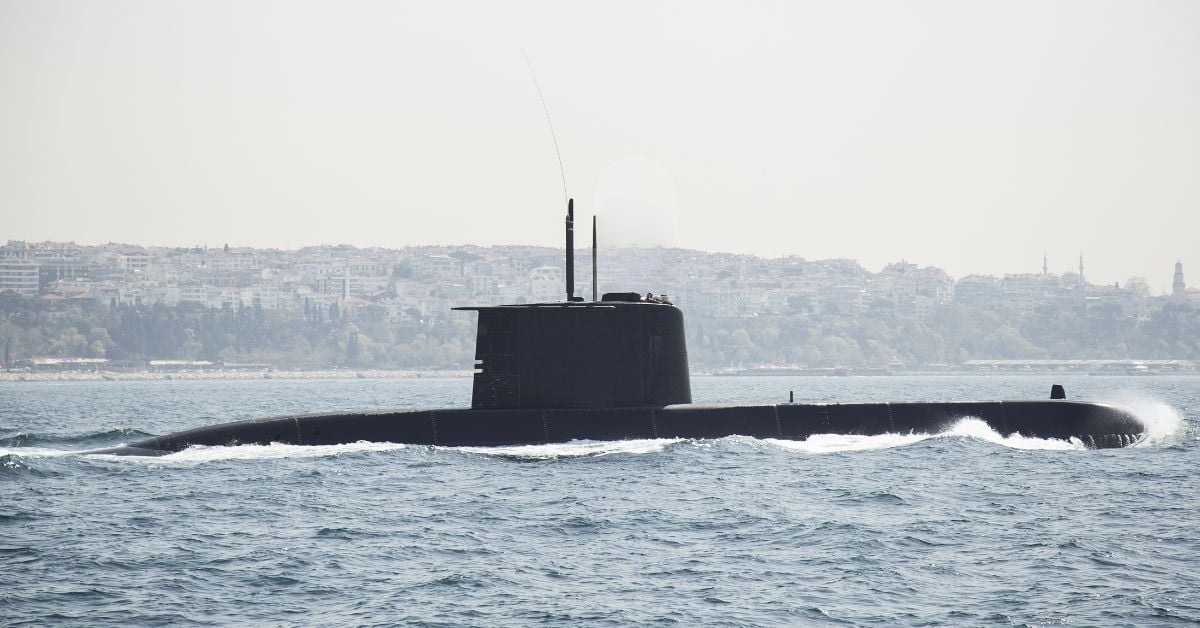
Autonomous Drone Encounter Highlights Growing Maritime Technology in the Hormuz Strait
The underwater drone detected near the Hormuz Strait is likely Anduril's Dive-D, a calibrated, autonomous system built for defense. This sighting underscores a measurable shift: maritime technology is no longer confined to surface vessels. Empirical observation of such platforms matters, because understanding drives protection. For deeper context on regional shipping pressures, see our coverage of "Gulf of Oman STS Transfers Max Out Amid Rising Saudi Oil Exports." The strait's future demands integrated, peer-reviewed intelligence, not alarm.

Expanding Maritime Domain Awareness: India Acquires Long-Range Naval Drones
India's Ministry of Defence is moving to equip its warships with ship-launched, long-range "kamikaze" drones, adding a new layer of medium-range strike capability to the fleet. It is a calibrated step toward greater operational flexibility, one that reflects a practical understanding of modern naval threats. The acquisition signals a deliberate investment in autonomous systems, not a reactionary measure. For broader context on where the service is headed, our coverage in "India Projects Expanded Naval Fleet to Navigate Evolving Maritime Landscape" outlines the strategic trajectory.