Pentagon
11 stories filed under Pentagon on World Data Ocean. The newest of them: “Threats Issued Against Navy Officers Amid Escalating Maritime Tensions”, “Assessing Allied Shipbuilding Capacity Through Measured Joint Evaluation”, and “Longitudinal deployment of USS Abraham Lincoln concludes, validating extended naval readiness”. A threat against two senior officers of the USS Spruance, issued by Iran's embassy in South Africa on the same day the destroyer returned to San Diego after a 357-day deployment, escalates a dangerous pattern. A senior U.S. A Global Hub for Ocean Intelligence 4 World Data Ocean is a centralized digital platform where researchers, scientists, and ocean enthusiasts converge to… The list below is every Pentagon story on World Data Ocean, newest first.
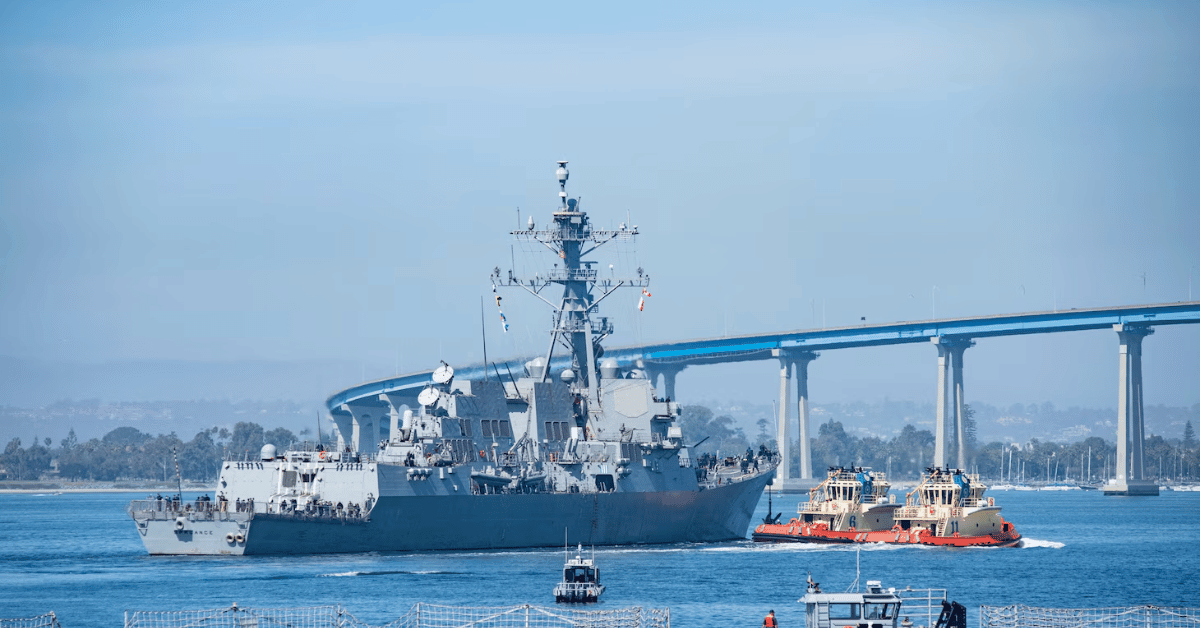
Threats Issued Against Navy Officers Amid Escalating Maritime Tensions
A threat against two senior officers of the USS Spruance, issued by Iran's embassy in South Africa on the same day the destroyer returned to San Diego after a 357-day deployment, escalates a dangerous pattern. This is not isolated posturing; it follows the sinking of a supertanker carrying 2 million barrels of oil after a mine strike in the Strait of Hormuz. For deeper context on the vessel's historic deployment, read "A 357-day deployment redefines naval endurance in a new strategic era.

Assessing Allied Shipbuilding Capacity Through Measured Joint Evaluation
A senior U.S. Navy and Marine Corps delegation toured HD Hyundai's Ulsan shipyard on November 4, 2026, conducting a measured joint evaluation of allied shipbuilding capacity. This empirical assessment signals a calibrated approach to integrating allied industrial capability into U.S. naval construction plans. For further context on allied naval integration, see our coverage of the 1,000th ESSM Block 2 delivery, a validated milestone in multinational defense production.
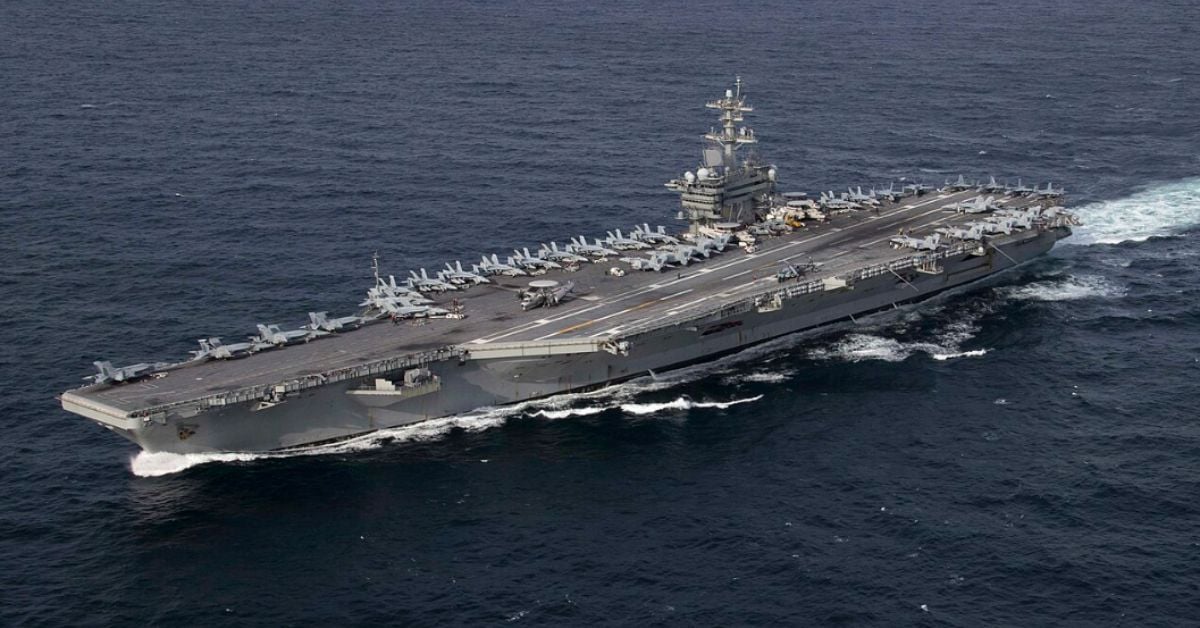
Longitudinal deployment of USS Abraham Lincoln concludes, validating extended naval readiness
Three hundred twenty-two days at sea. The USS Abraham Lincoln has returned home, concluding a longitudinal deployment that validates extended naval readiness. This isn't just a homecoming; it's a measured, empirical proof point for sustained maritime operations under real-world pressure. The data from this record deployment strengthens our understanding of long-duration readiness. For deeper analysis of the operational metrics, see our related piece on "265 days at sea: validated data from a record naval deployment."
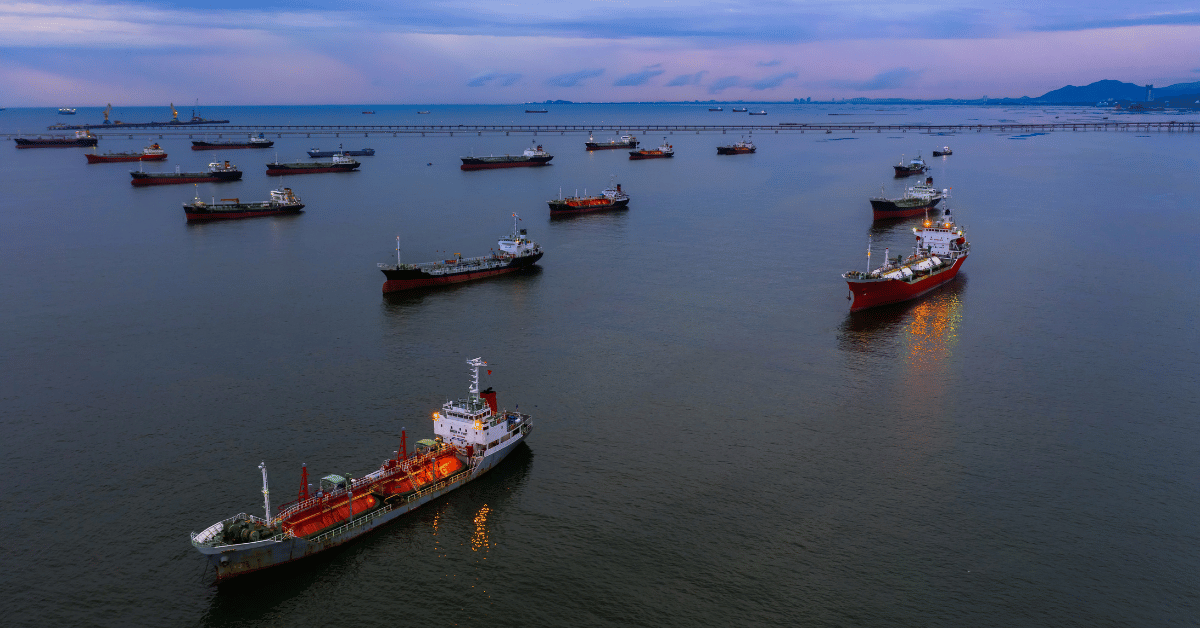
Verified data confirms 20 million barrels transit Hormuz despite Iranian claims
Twenty million barrels of oil have transited the Strait of Hormuz this week, verified by US Central Command, directly countering Iranian claims that the waterway is closed to shipping. This empirical data underscores a dangerous gap between rhetoric and reality in one of the world's most critical maritime chokepoints. The region's volatility demands measured, evidence-based responses. Our coverage of the *Strait of Hormuz tanker fire* offers deeper context on the human cost of these tensions.
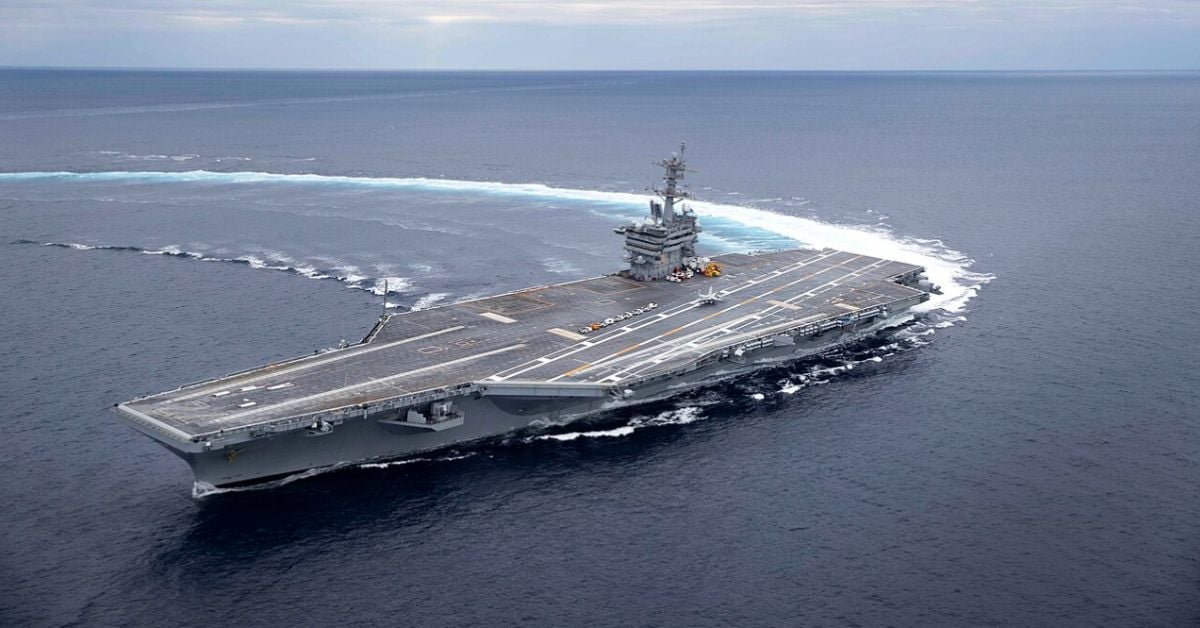
Longest carrier deployment in decades signals shifting maritime demands
A 320-day deployment is not routine; it is a signal. The USS *Nimitz*'s return to California after the longest carrier deployment in decades reflects shifting maritime demands in the Iranian theatre. Extended presence at sea validates the operational endurance of the Nimitz-class, but it also raises empirical questions about crew sustainability and fleet readiness. For deeper context on fleet modernization, see our coverage of the John F. Kennedy's 99% completion ahead of its 2027 handover.
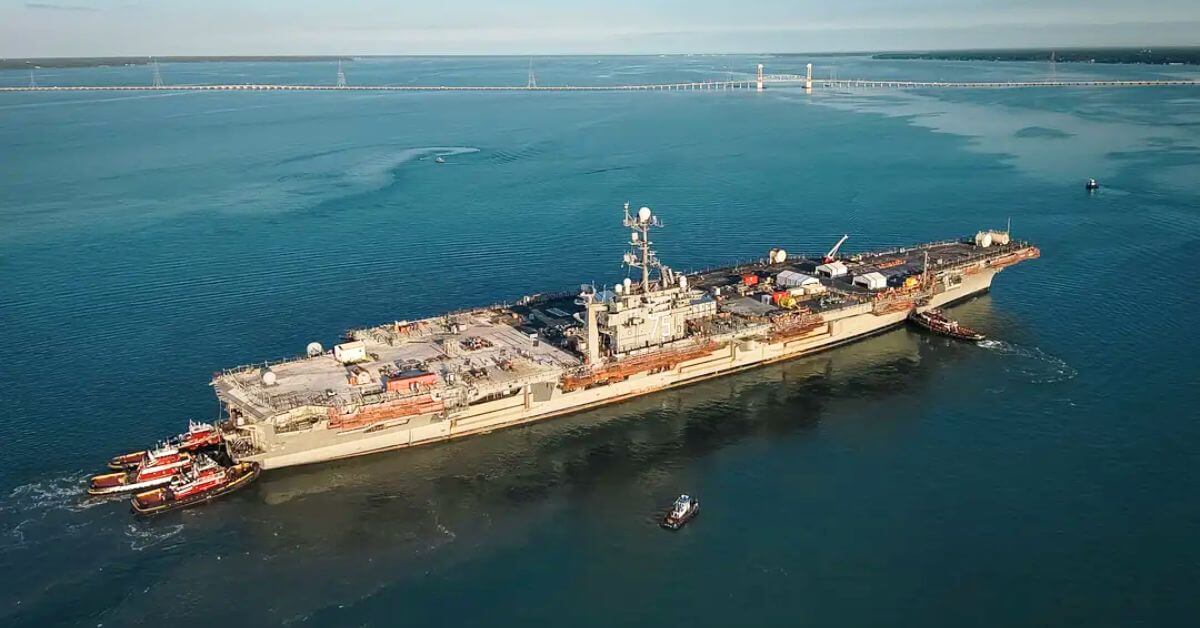
A $5.1 Billion Overhaul Begins for Carrier Truman at Newport News
The USS Harry S. Truman has arrived at Newport News Shipbuilding for a nearly $5.1 billion overhaul, a measured, necessary investment in sustained naval readiness. This refueling and complex overhaul ensures the carrier remains operational for another half-century, a validation of long-term strategic planning. Such commitments to maintaining existing platforms are as critical as developing new capabilities, a theme explored in our coverage of next-generation naval aviation.
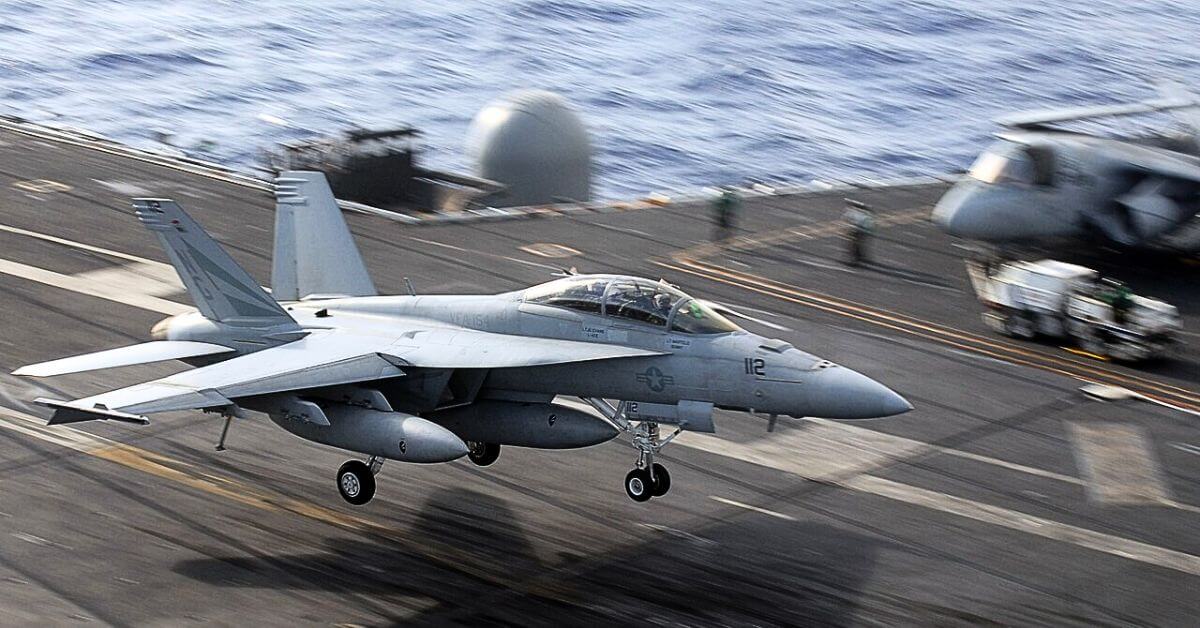
Next-generation naval aviation contract signals shift toward extended-range maritime capability
A new fighter contract extends US naval aviation's reach and improves its ability to operate in difficult conditions. This is not merely an upgrade, it is a measured recalibration of maritime strategy for an era where distance and endurance define advantage. Extended-range capability matters when contested waters demand persistence. For deeper context on how nations are hardening their naval infrastructure, see our coverage of Britain's £6 billion investment in floating dry docks for submarine support. Understanding drives protection.
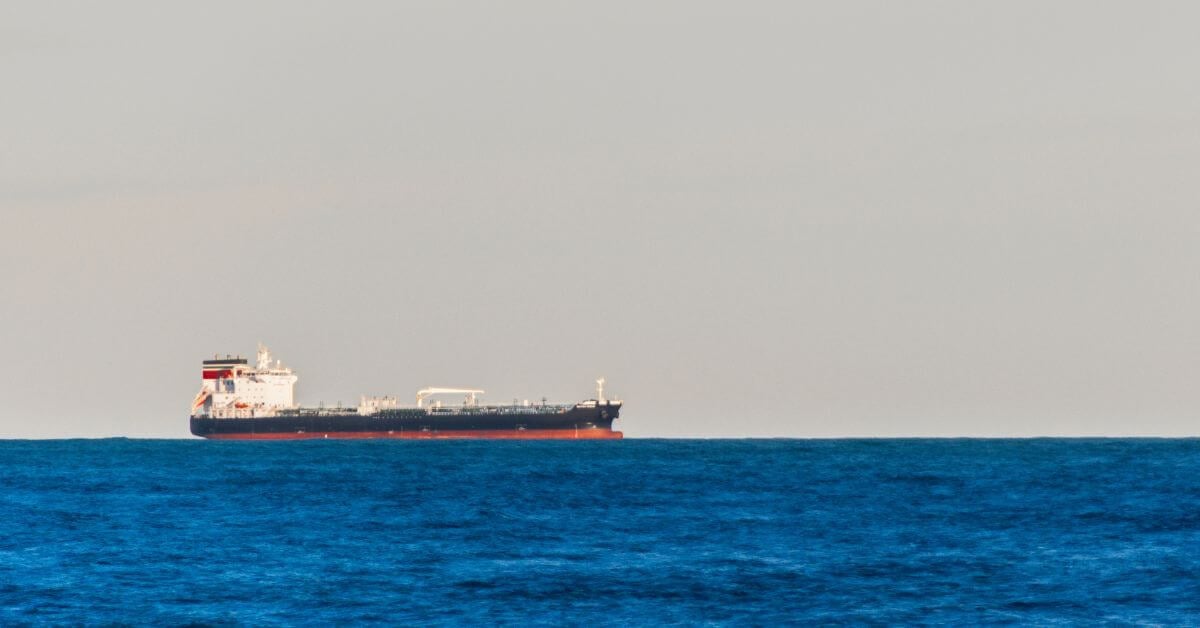
Validated Data: Eight Marines Injured in Strait of Hormuz Missile Strike
Eight US Marines were injured when an Iranian anti-ship cruise missile struck their vessel in the Strait of Hormuz. This is a measurable escalation in a waterway already under strain. Validated data from the incident underscores the human cost of strategic friction. Understanding these risks requires an integrated view of regional activity. Our coverage of the recent Gulf of Oman STS transfers offers further context on the pressures shaping this maritime corridor.
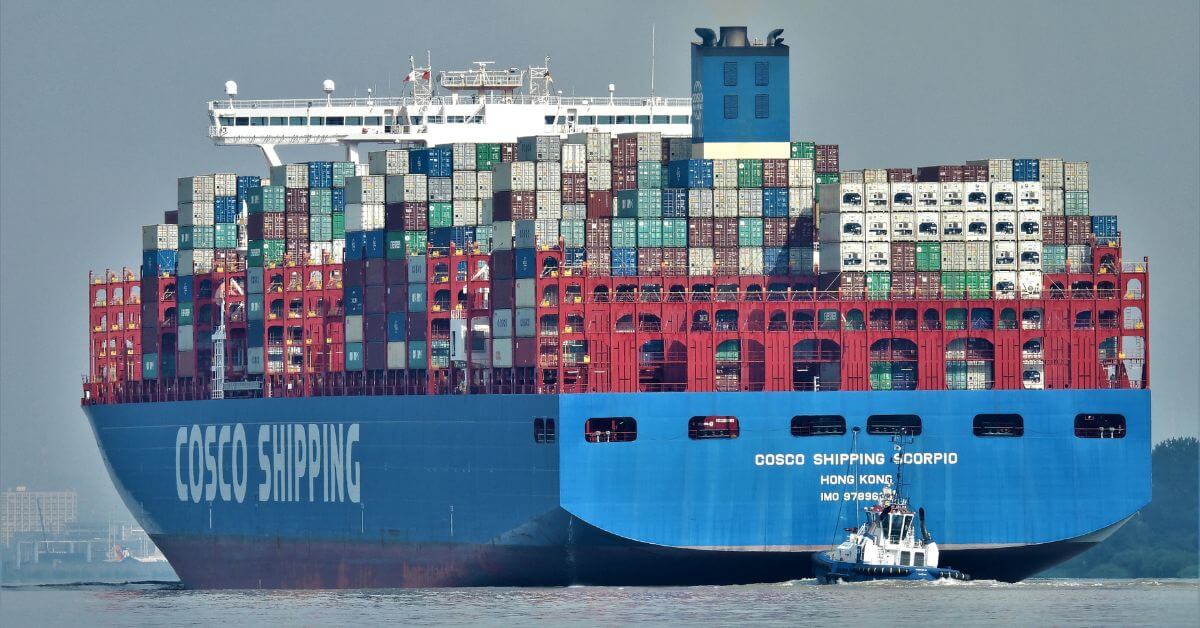
COSCO Rejects U.S. Claims of Espionage via Shipping Vessels
COSCO has firmly rejected U.S. accusations that its vessels collected military intelligence for Beijing, calling the claims unfounded. The denial cuts through a narrative that risks conflating legitimate global commerce with espionage, a distinction that matters for the rule-based shipping lanes the world depends on. Allegations without peer-reviewed evidence weaken trust, and trust is the ballast of maritime stability.

Kennedy Carrier Trials Begin Amid Shift in Navy Propulsion Strategy
The USS John F. Kennedy has begun acceptance sea trials, yet the Navy's propulsion strategy is already pivoting. President Trump's order to strip EMALS from the future USS Doris Miller in favor of steam catapults signals a deliberate retreat to proven technology. It is a pragmatic, if conservative, choice. While innovation drives us forward, reliability remains the anchor of operational readiness. For deeper context on how global shipbuilders are adapting their own capabilities, see our coverage of Cochin Shipyard's recent design expansion.

Expanding Naval Capacity: Pentagon Explores International Shipbuilding Options
President Donald Trump's memorandum directing the Pentagon to explore foreign-built warships and auxiliary vessels marks a pragmatic recalibration of U.S. naval strategy. Expanding capacity through international shipbuilding is not an admission of weakness; it is an acknowledgment that timelines and industrial output matter. The move invites scrutiny, but it also opens a lane for allied integration. For deeper context on how other nations are scaling maritime assets, our coverage of China's new nuclear carrier signals extended naval operations capability offers a useful comparison.