Panama-flagged
Panama-flagged at World Data Ocean is a file of 7 stories. The newest of them: “Injured crew evacuated after fire erupts aboard tanker in Strait of Hormuz”, “Attack in the Strait of Hormuz Injures 11 Indian Crew on Panama-Flagged Tanker”, and “Two vessels collide at Chittagong anchorage as maritime incident data emerges”. A fire and an attack on a tanker in the Strait of Hormuz injured 12 of its 19 crew members, prompting an evacuation confirmed by Oman's Ministry of Defence. A Global Hub for Ocean Intelligence 4 World Data Ocean is a centralized digital platform where researchers, scientists, and ocean enthusiasts converge to… The list below is every Panama-flagged story on World Data Ocean, newest first.
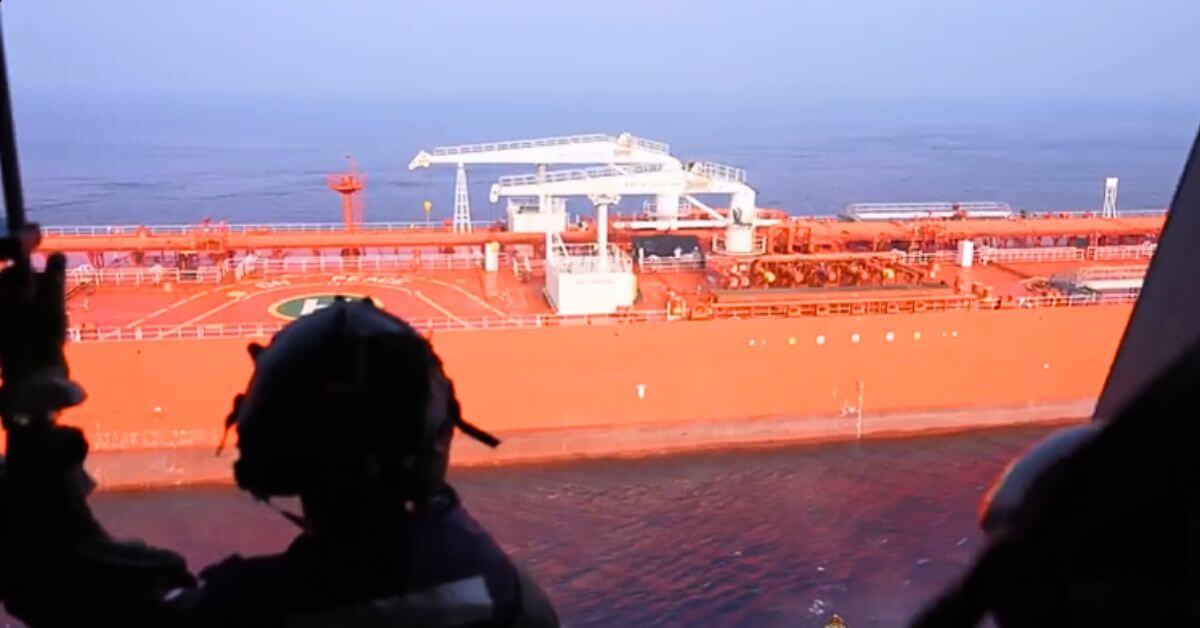
Injured crew evacuated after fire erupts aboard tanker in Strait of Hormuz
A fire and an attack on a tanker in the Strait of Hormuz injured 12 of its 19 crew members, prompting an evacuation confirmed by Oman's Ministry of Defence. This is not an isolated incident. The same volatile waters that demand calibrated maritime security now test the resilience of global trade routes. For deeper context on regional diplomatic efforts, see our coverage of "India Proposes Measured Maritime Truce to Protect Black Sea Shipping."
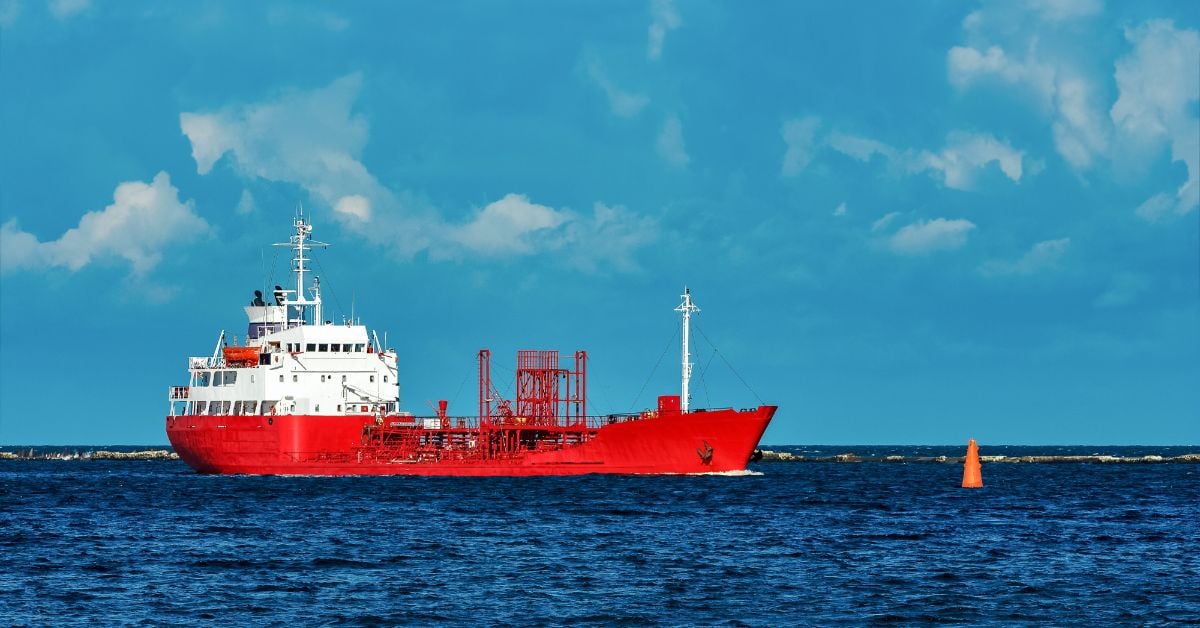
Attack in the Strait of Hormuz Injures 11 Indian Crew on Panama-Flagged Tanker
Eleven Indian crew members were injured in an attack on the Panama-flagged tanker MT On Peace in the Strait of Hormuz. This is not an isolated incident. Our reporting on delayed UKMTO reports confirms five separate IRGC vessel incidents in the same waterway on a single day. Measurable data on these attacks is essential for maritime safety. Understanding these patterns drives protection for the crews who keep global trade moving.
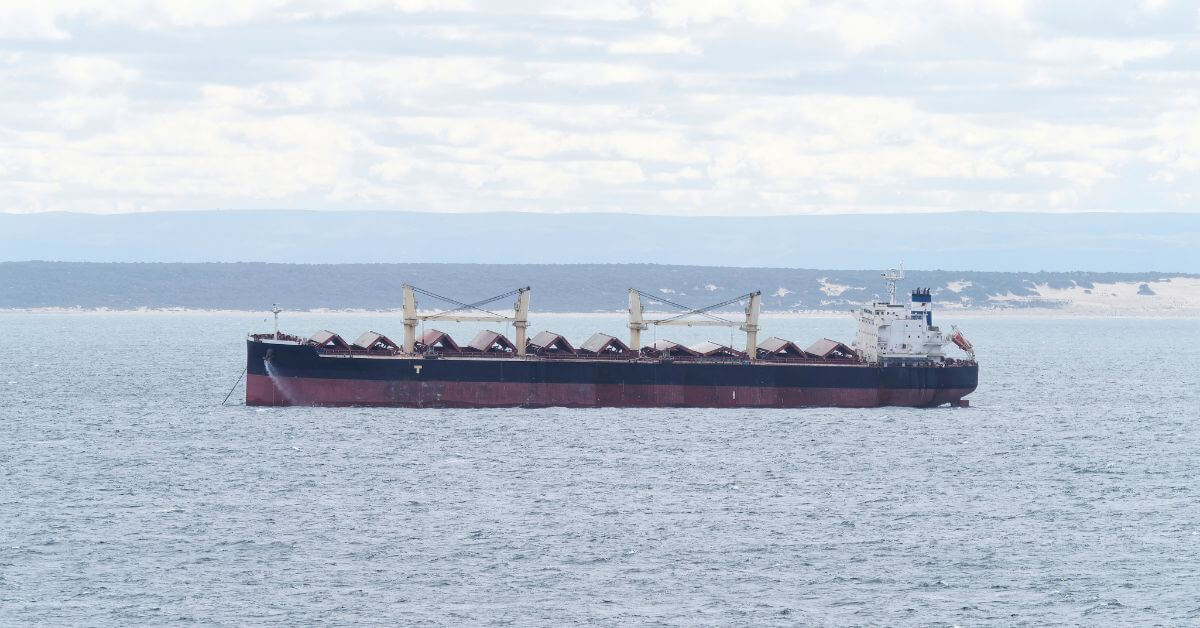
Two vessels collide at Chittagong anchorage as maritime incident data emerges
Two vessels collided at Chittagong anchorage, with the first incident recorded at Kutubdia anchorage involving Panama-flagged MV APJ Shirin and Liberia-flagged MV HG Sydney. These incidents emerge as maritime data becomes more measurable and integrated, a reminder that empirical tracking is essential for safety. Understanding drives protection. For deeper context on maritime accountability, read our coverage of the captain charged over Ukrainian grain transport.
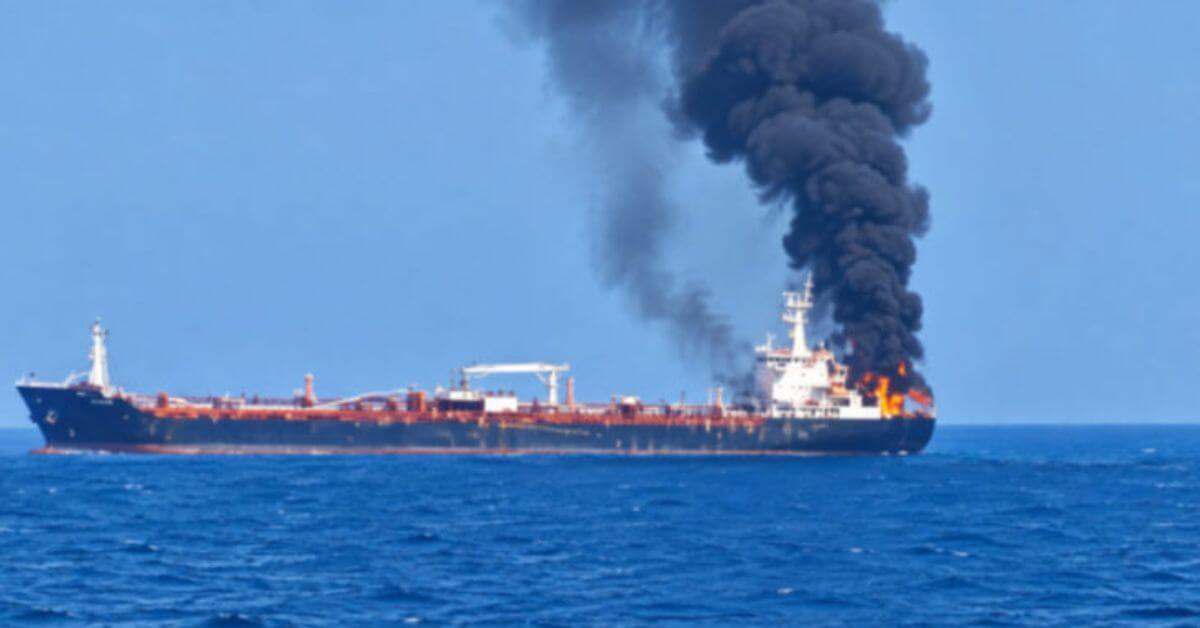
Seafarer Missing After Ship Attack Near Oman Coast; Thirteen Rescued
One Indian seafarer remains missing after an attack on a vessel near the Oman coast, while thirteen crew members have been rescued, India's Ministry of External Affairs confirmed. The incident underscores the persistent volatility of regional waters, where commercial traffic proceeds under tangible risk. Search efforts continue, though the outcome remains uncertain. For broader context on maritime pressure points, our related coverage of Gulf of Oman STS transfers offers useful perspective on the strategic strains shaping this corridor.

Bulk Carrier Sinks in Bay of Bengal; 22 Seafarers Missing.
A bulk carrier carrying 72,000 tonnes of iron ore from India's Paradip Port to China has sunk in the Bay of Bengal, leaving 22 seafarers missing. The loss is a stark reminder that maritime routes, however routine, remain exposed to sudden catastrophe. Search efforts continue, but each hour narrows the window for survival. Such incidents underscore why real-time data and integrated ocean intelligence matter, not as abstract concepts, but as tools that can guide safer passage.

MV Ocean Winner Sinks in Bay of Bengal; 22 Crew Missing
The MV Ocean Winner, a Panama-flagged bulk carrier, has sunk in the Bay of Bengal off Odisha, leaving 22 crew missing and only two survivors rescued from liferafts. The incident underscores the harsh realities of maritime transit in these waters, where operational risks remain high despite advancing navigation technology. Rescue efforts are now the priority, but the loss raises pressing questions about crew safety protocols.

Strait of Hormuz Incident: Iranian Forces Engage Container Ship Euphoria.
On April 22, Iranian forces engaged the Euphoria, a Panama-flagged container ship, marking the third attack on vessels that day. The incident underscores how fragile transit through the Strait of Hormuz has become. This is not abstract geopolitics; it is a direct challenge to the maritime routes that global trade depends on. For deeper context on how shipping lanes are adapting, our piece on Gulf of Oman STS transfers offers a useful parallel. The pattern is clear: pressure on this waterway is no longer hypothetical.