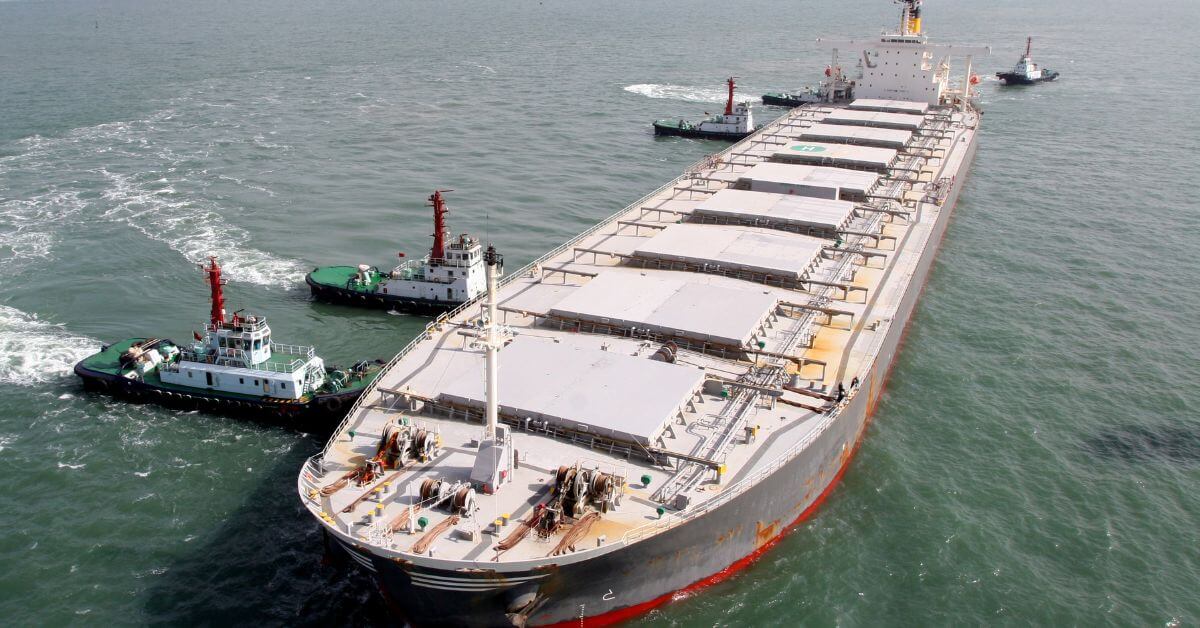
The third Very Large Ore Carrier in a ten-vessel series ordered by Shandong Shipping is now set to receive an engine that just passed research and development testing. That is the headline. The deeper story is about how validation, not novelty, is driving the maritime industry's transition toward lower-carbon fuels. This engine is ethanol-capable, and it has cleared the rigorous, empirical checks that separate a concept from a commitment. For a sector often criticized for moving too slowly, this is a concrete signal that the machinery of global trade is being recalibrated with measurable intent.
What matters here is the word "validated." It is easy to announce an ambition to burn alternative fuels; it is another thing entirely to put an engine through R&D testing and confirm its performance under real operating conditions. This is the difference between marketing and engineering. The same discipline is visible in related efforts across the industry. The Advancing Sustainable Shipping: Ethanol-Fuelled Tanker Project Gains Momentum with K Shipbuilding and Lloyd's Register is still at the feasibility stage, assessing whether a 50,000 dwt tanker can run on ethanol. Meanwhile, Damen Shipyards Integrates Everllence Engines for Fuel-Flexible Tugs shows that flexibility across multiple fuel types is becoming a design standard, not a niche option. These projects share a common thread: they are all moving from aspiration to specification, one test cycle at a time.
Our take is straightforward. This is not about cheering for ethanol as the single answer, nor is it about dismissing the very real concerns that come with any alternative fuel. The recent Methane Leak on Ferry Highlights LNG Safety Concerns is a reminder that every new fuel carries its own operational risks, and safety must be validated just as rigorously as emissions reductions. What we find encouraging is the pattern: shipowners and engine makers are no longer waiting for a perfect solution. They are testing, measuring, and deploying engines that can run on today's fuels while being ready for tomorrow's. That is practical progress. For our readers, the takeaway is actionable: when evaluating any green shipping technology, look for the data, not the press release. Ask what testing was done, what conditions were simulated, and what the failure modes were. The fact that this engine passed its R&D phase means we are one step closer to seeing ethanol as a credible, working option for bulk carriers, not just a slide in a sustainability deck.
The specific thing to watch is the operational performance of this engine once it is at sea on that third ore carrier. Will the fuel consumption and maintenance intervals match the lab results? Will the crew training and fuel supply chains keep pace? These are the questions that will determine whether this validated technology becomes a standard or a footnote. We would tell any reader to track the sea trials closely. That is where the real story will be written.